-
How I got my anime fansubs before the Internet
This is a repost from a Twitter thread I made back in September 2017.
So on a Slack I am on, I ended up talking about how fan-subtitled (fansub) anime distribution used to work in the 90s.
Anime would cost between $15 and $30 USD commercially depending if it was subbed or dubbed – $25-50 today.

However, LaserDiscs from Japan were super expensive. You’d have to order them via mail or phone and they’d be $300+ sometimes plus shipping.

In some cases, one LD collection would just have 4 episodes and cost that much. You’d be looking at $80-$100 an episode in mid-90s money. These discs would typically be not available to purchase until 8-12 months after the show had aired–unlike Crunchyroll’s 1-hour!
Fansubbers would buy these discs with their own money. Sometimes donations would be taken but typically it was out of pocket.

Typically the fansubbers would just stop distribution if the anime series was picked up by a distributor in the market they’re in.
Fansubbers would spend late nights–whole weekends too–just going over the show, watching it endlessly, translating and timing a script.

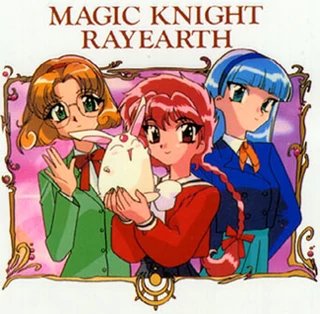
It was tireless work. I had friends at Arctic Animation who did all sorts of great shows like MKR and Akazukin Chacha to name a few

Once translated and timed, you’d eventually feed the script into a computer and then use some fancy hardware to overlay the subtitles. It was a 1:1 copy by the way. There was no way to speed up the process. Play from LD, record to VHS or SVHS. Found a mistake as you watched the subtitle? Welp you’re out of luck! You’re going to have to fix the script and then restart!
SVHS was used to keep the quality high but it only really benefited the subtitles, not the video since the LD was not able to output SVideo. You’d usually copy the SVHS “master” to other copies for use for distribution. I hate the term “master” and will only use it once.
Once you’ve gotten your copies, you’re able to distribute the tapes assuming that nobody bought the rights in the three months it took.
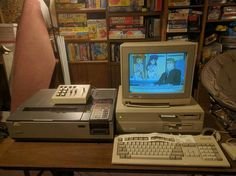
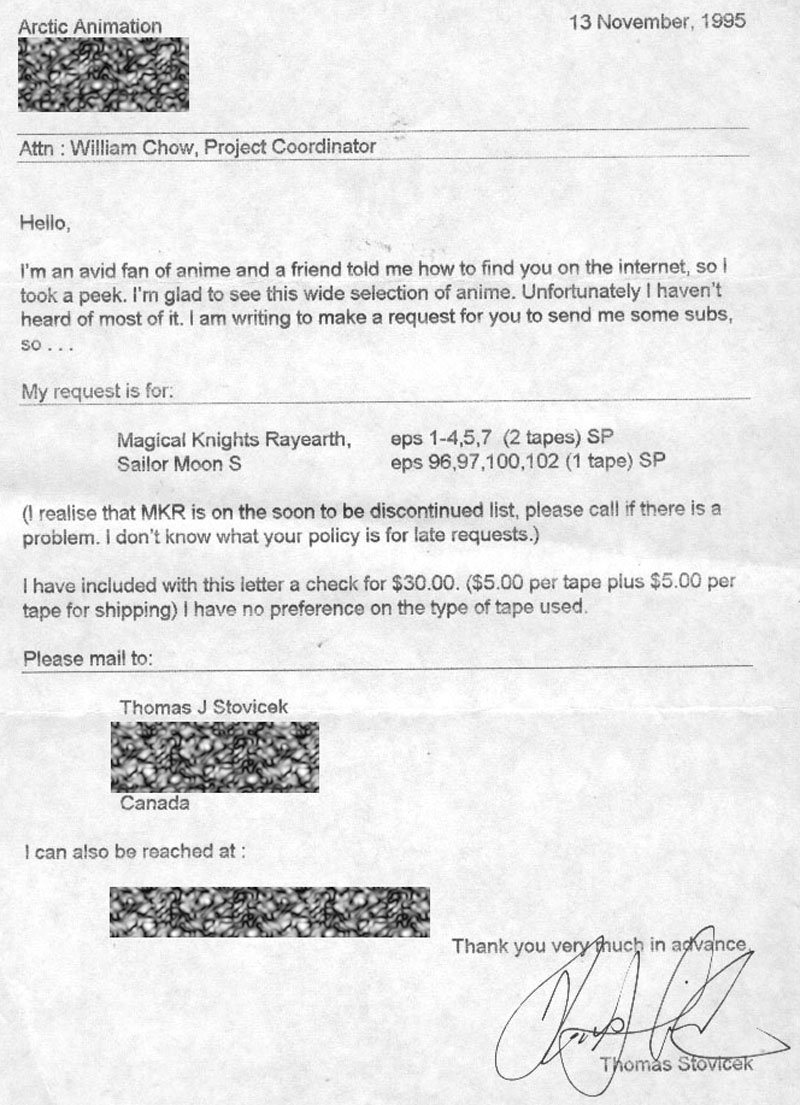
So now you want a copy of MKR? Well it is time to send a letter and a VHS tape or a few off to your favourite fansubber! You’d be waiting however long it would take to get your copy. Arctic was here in Vancouver so I’d just take a train to get my copies.
Some fansubbers went overboard with their methods. Here is how VKLL did theirs. I had these copies at one point.
VHS distribution died when it became effective using the Internet to distribute copies in DivX or even RealMedia format. It was around the time that anime got super popular and anime cons were just popping up everywhere.
I cannot remember Arctic’s last release, but it was definitely in the early 2000s.
Nonetheless, it was interesting to see the shift from VHS to digital distribution for fansubs and the rapid turnaround it got. You’d see fansub groups in the mid-2000s pumping out subtitled copies in a matter of hours after airtime. However, unlike when LDs were used, no money is going to the right holders in Japan for these shows.
These days fansubbing is a lot less prevalent. Crunchyroll has the market cornered with its 1-hour after broadcast release schedule.
But yeah! Subs not dubs.
-
Hi-Vision and anime

This is a repost from a Twitter thread I made back in July 2019. I will be resurfacing old threads I happen to like from time to time to make them available on cohost too!
So I’m stuck at home a lot these days and someone had posted about having watched Patlabor the Movie yesterday, leading me to be inspired to watch the sequel.
It happens to be a favourite of mine, but I discovered something rather neat about this alternate reality.
Hi-Vision!
Just bear in mind, I may spoil some parts of this movie inadvertently so I am going to do my best to keep this spoiler-free if you somehow haven’t seen this movie.
I will deviate from Hi-Vision talk because the retro-futurism in this movie is just so cool.
This movie was released in 1993, about four years after the first movie, which is equally good. Two years prior, Hi-Vision (MUSE) became commercially available.
You can read more about this format here.
But yeah. HD video that was analogue!
We didn’t end up with LaserDiscs in this movie although I guess for the sake of this thread I’ll show the use of compact disc-like media, but we did get to see VHS tapes everywhere.
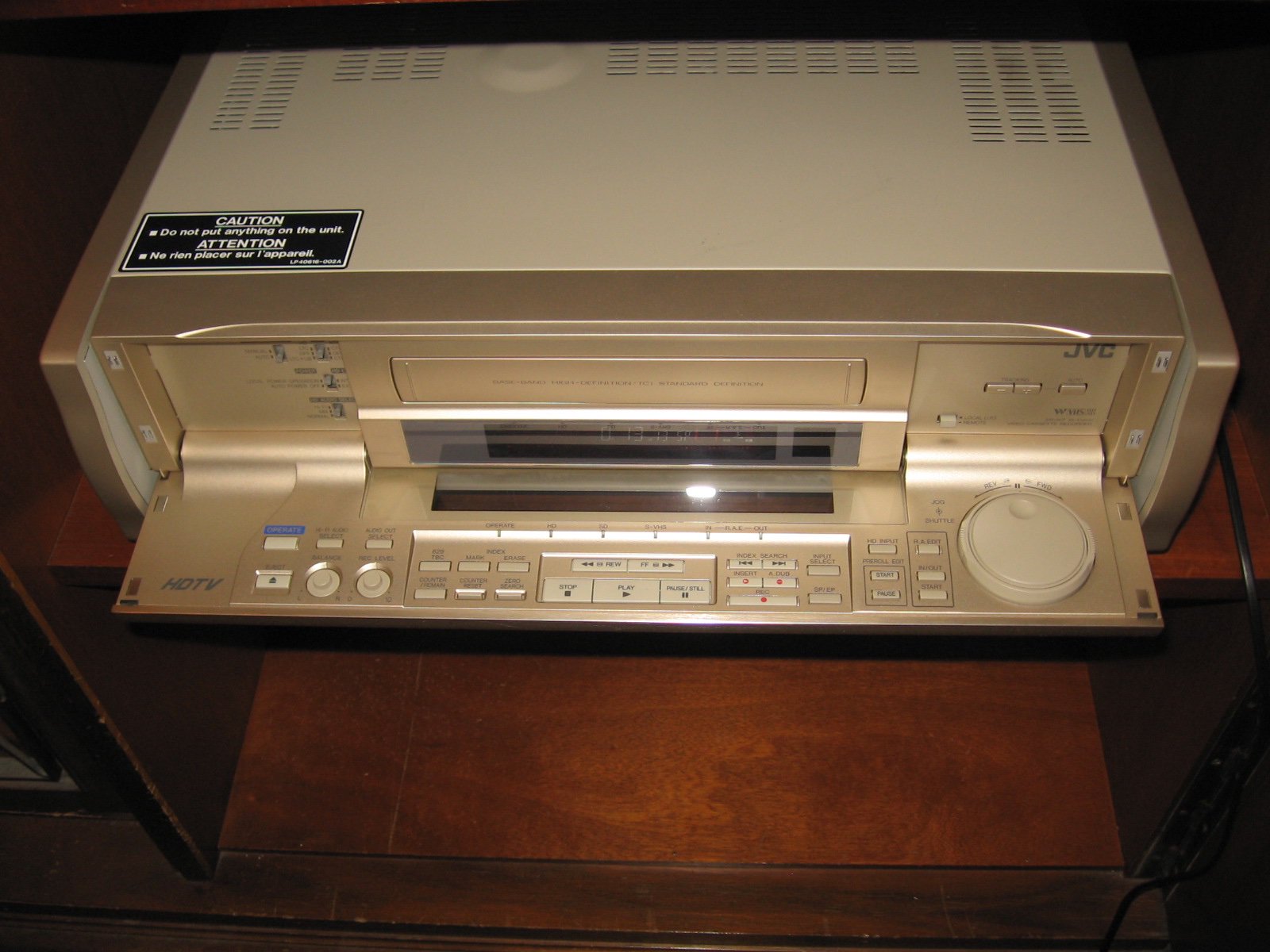
And yes. There are TWO HD formats for VHS: W-VHS and D-Theater.
So where does Patlabor 2 come in? Well we start off with the bombing of a bridge in Tokyo via a fighter jet supposedly belonging to the JDF, which sparked a political crisis and confusion throughout the Japanese government.
TV broadcasts were in 16:9!
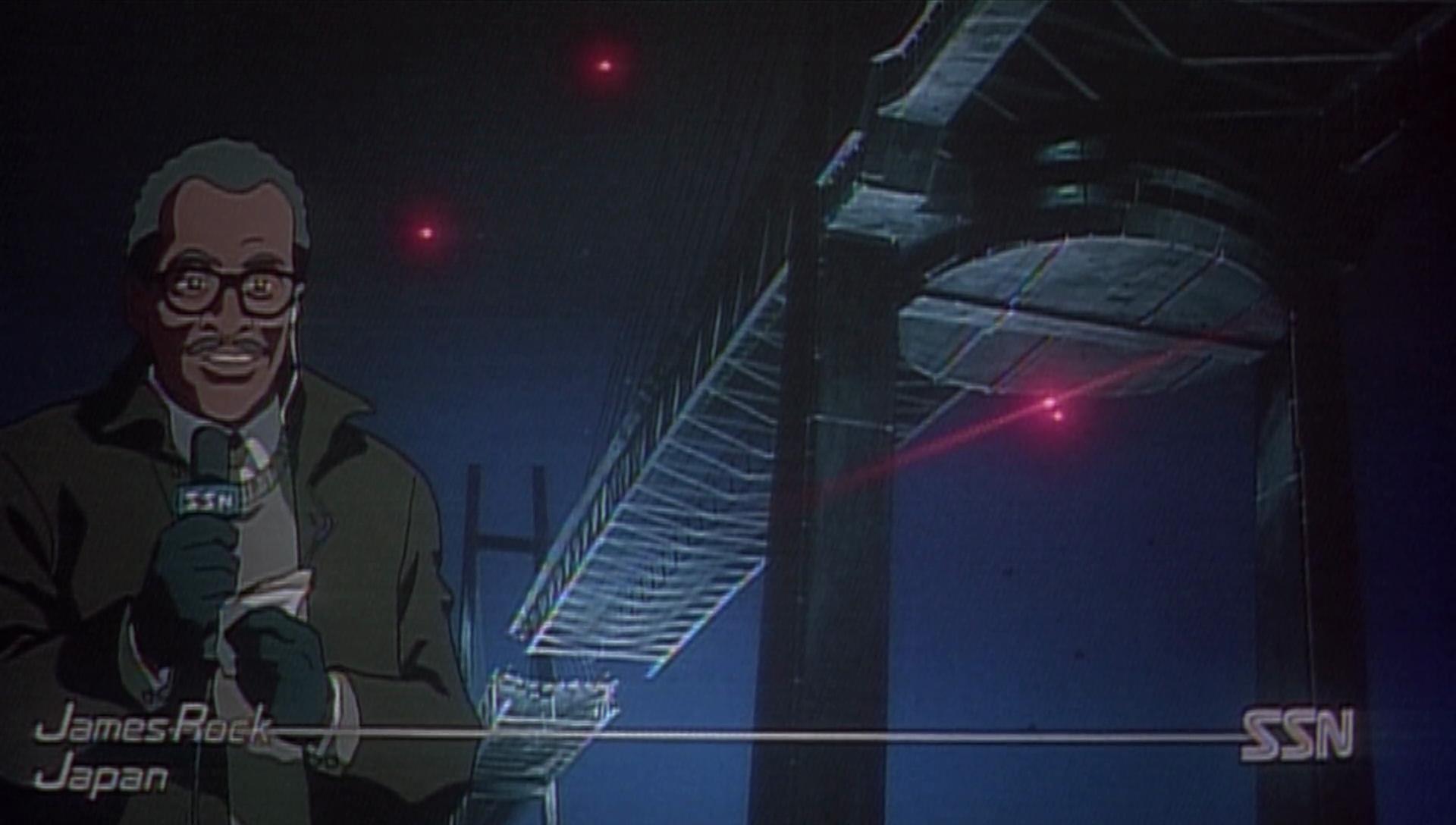
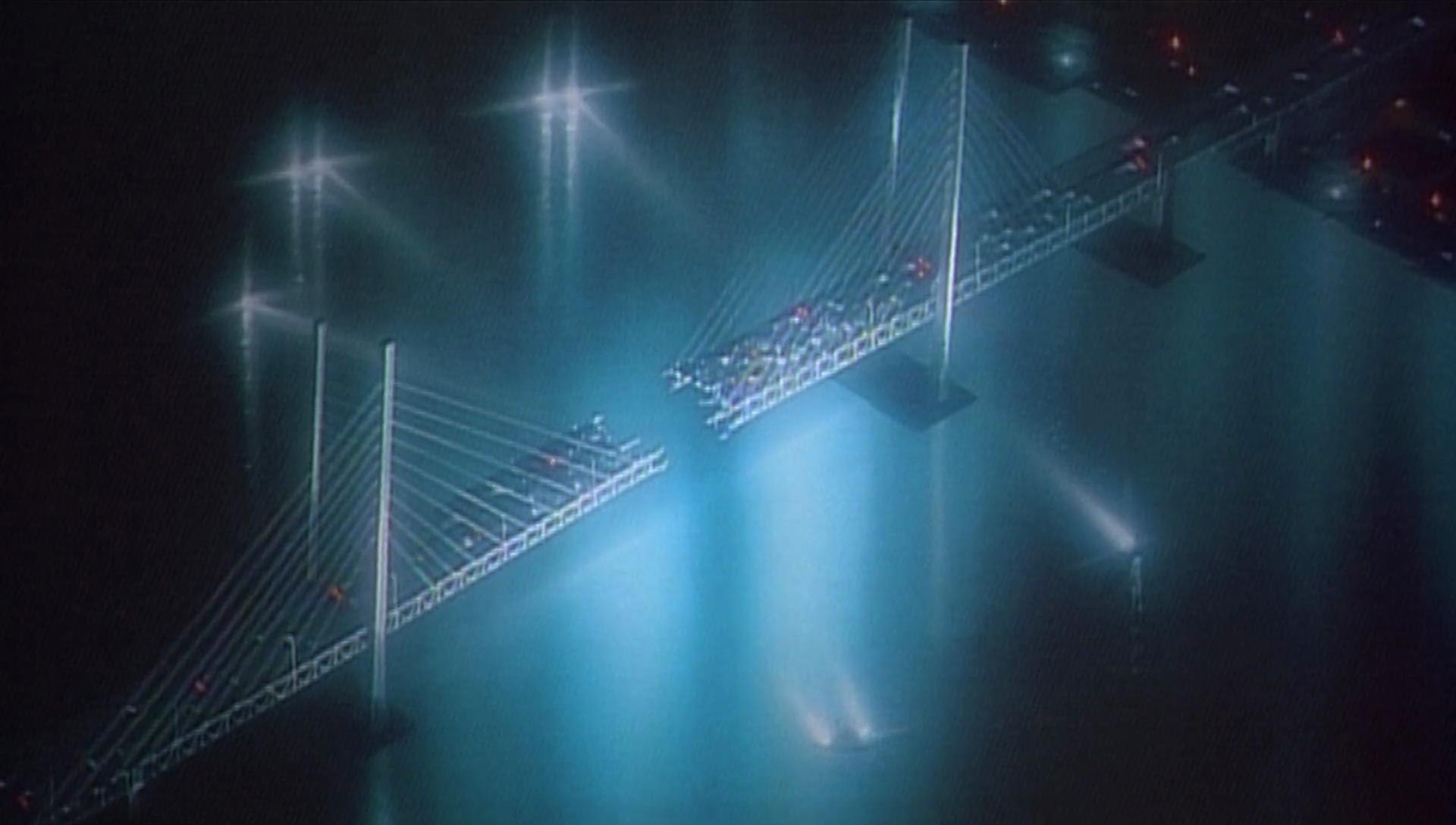
Eventually video of the incident from the ground is revealed and it “proves” that the bridge was bombed by an F-16 variant owned by the JDF.
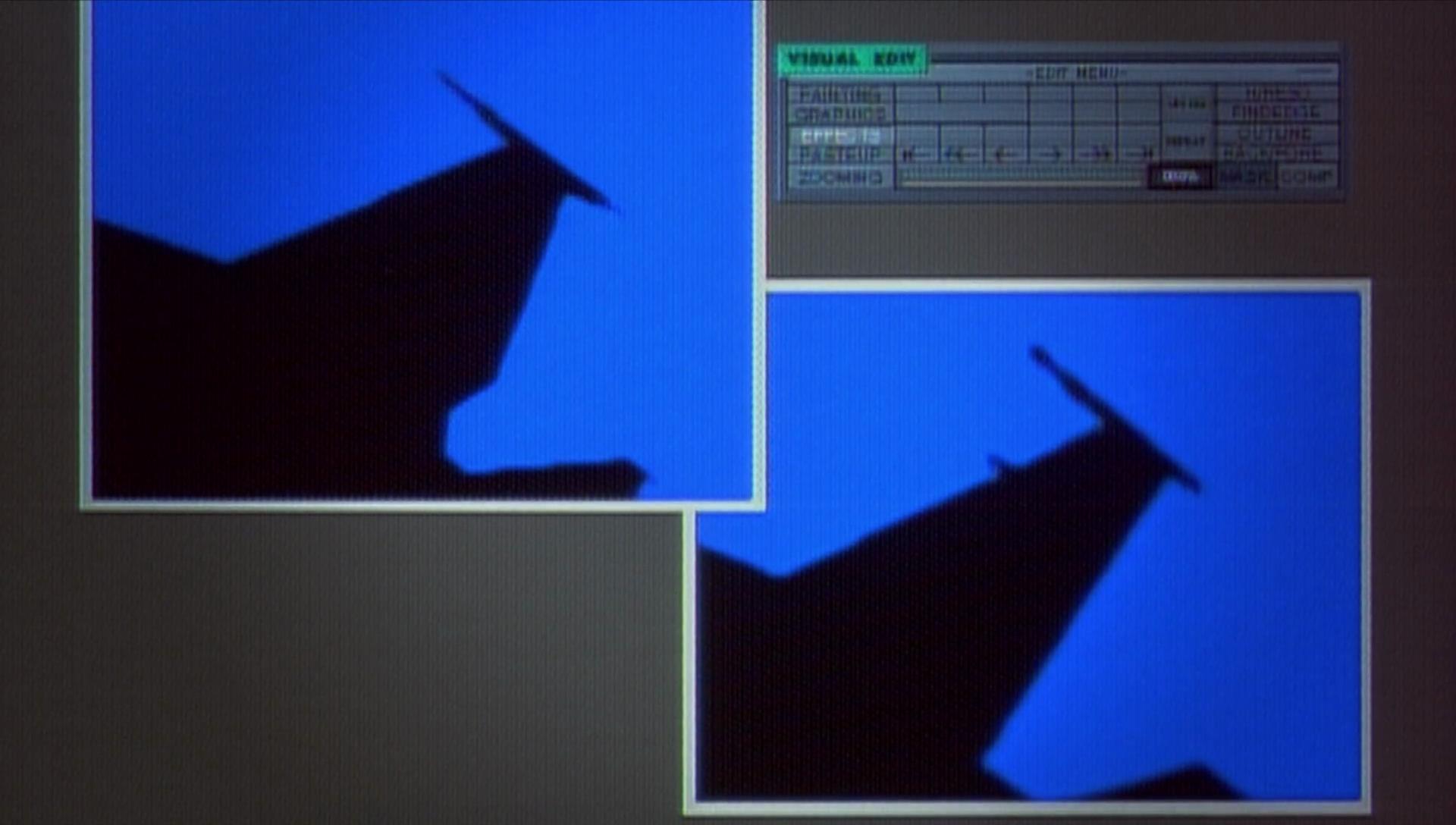
Because of it being an HD video, they were able to “enhance” the image to demonstrate that the bridge was attacked by missile.


You couldn’t get this resolution with your standard Handicam or whatever from back in the day because it was 480i. You could simply not zoom in like this; and while questionable for this 1035i source, it’s a lot more plausible.
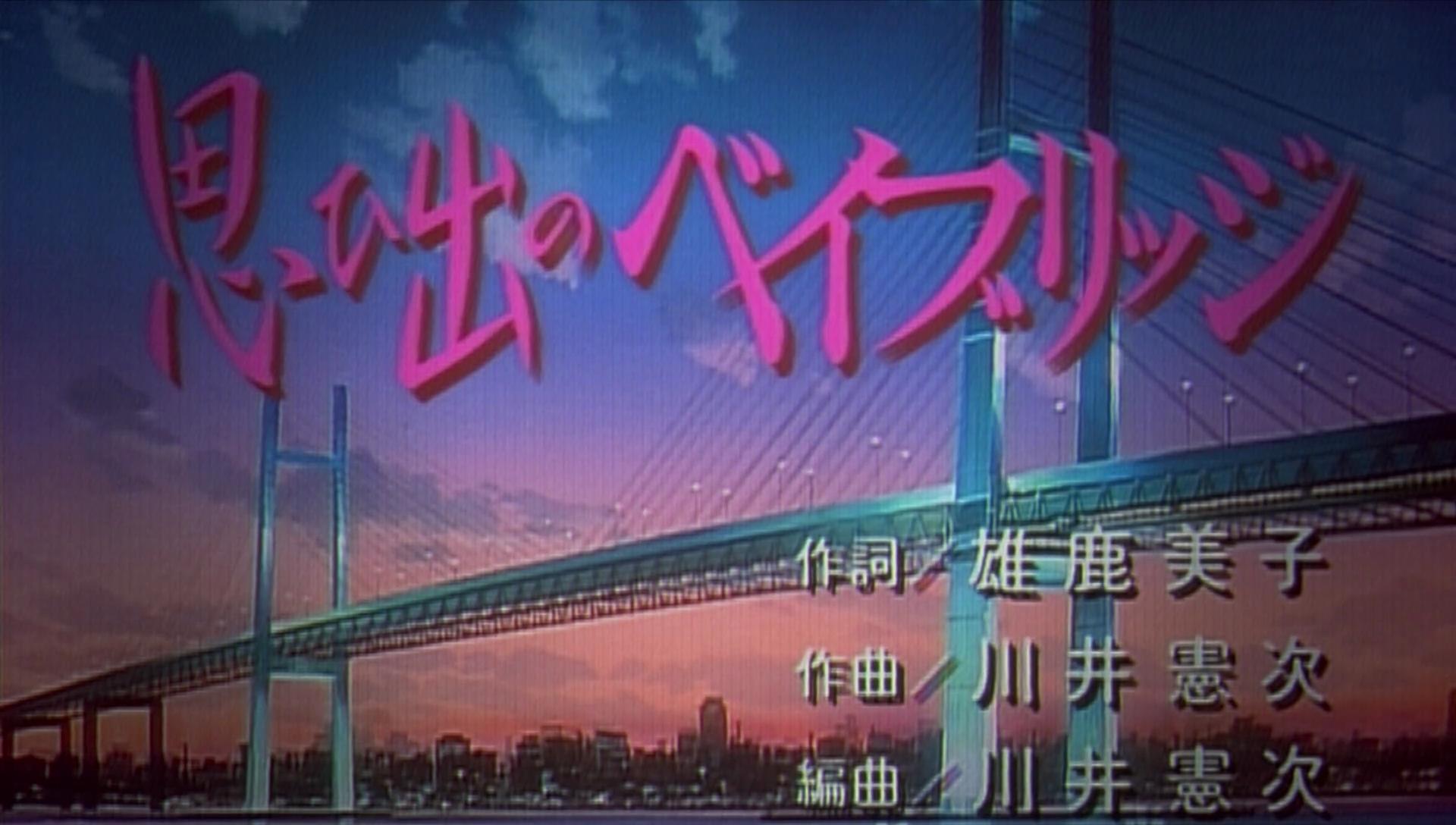
Naturally recording this was for a karaoke video.
Eventually the police division centred in this movie comes into investigate and visits the videographer who had the master recording, but finds out that it was taken by “another officer”.
However, take a look at all of the recording equipment that this videographer has; 16:9!
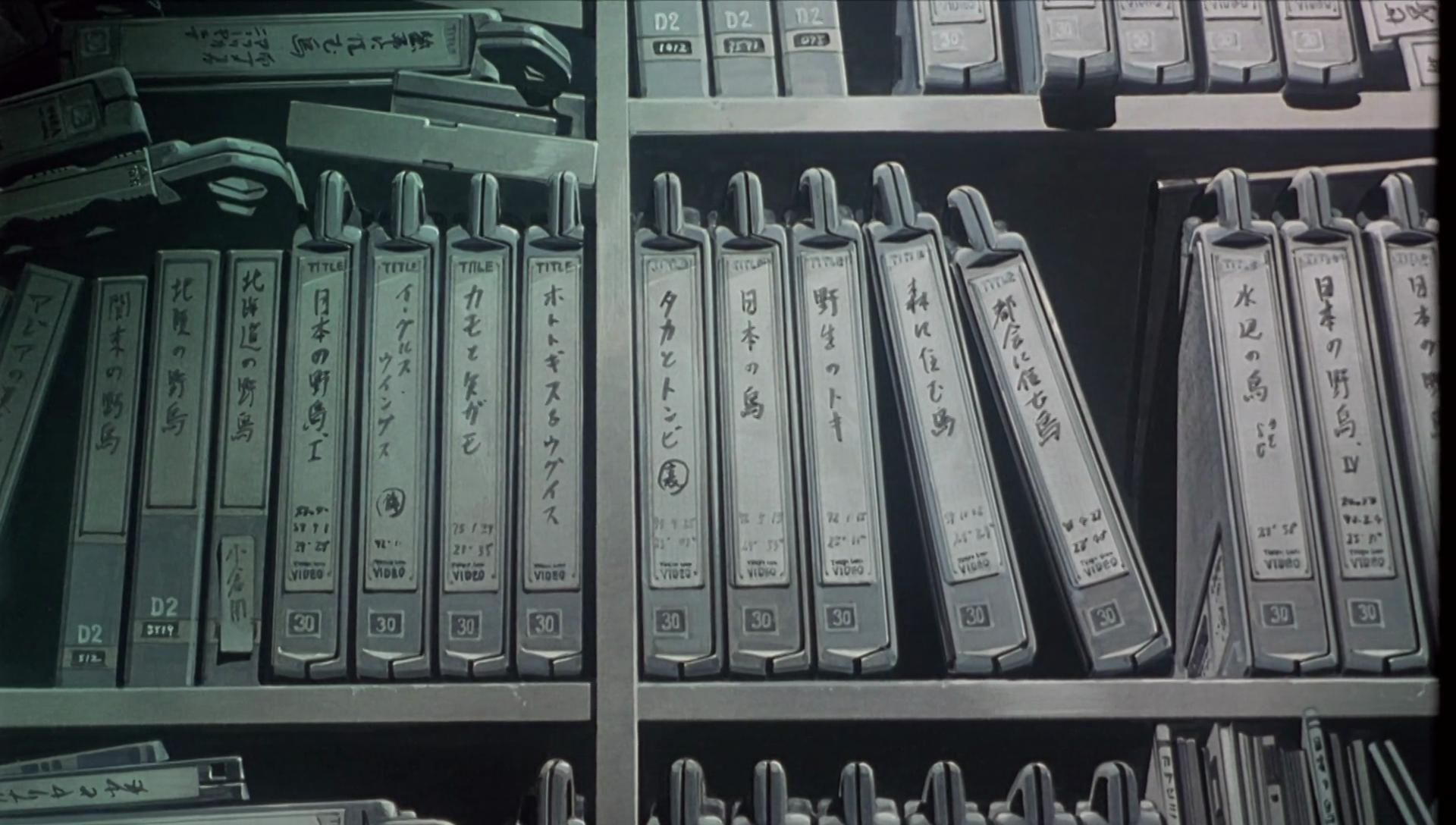

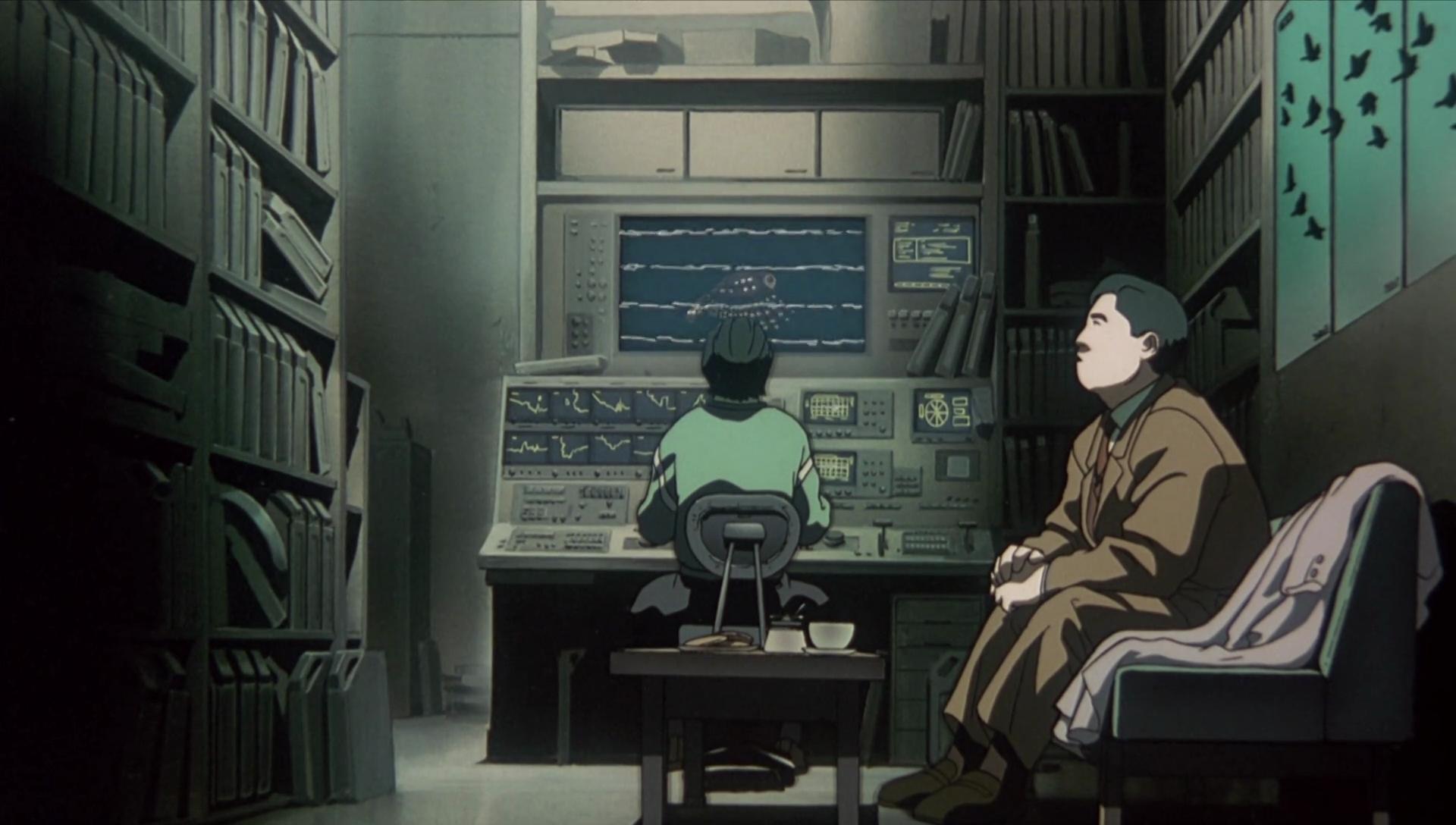
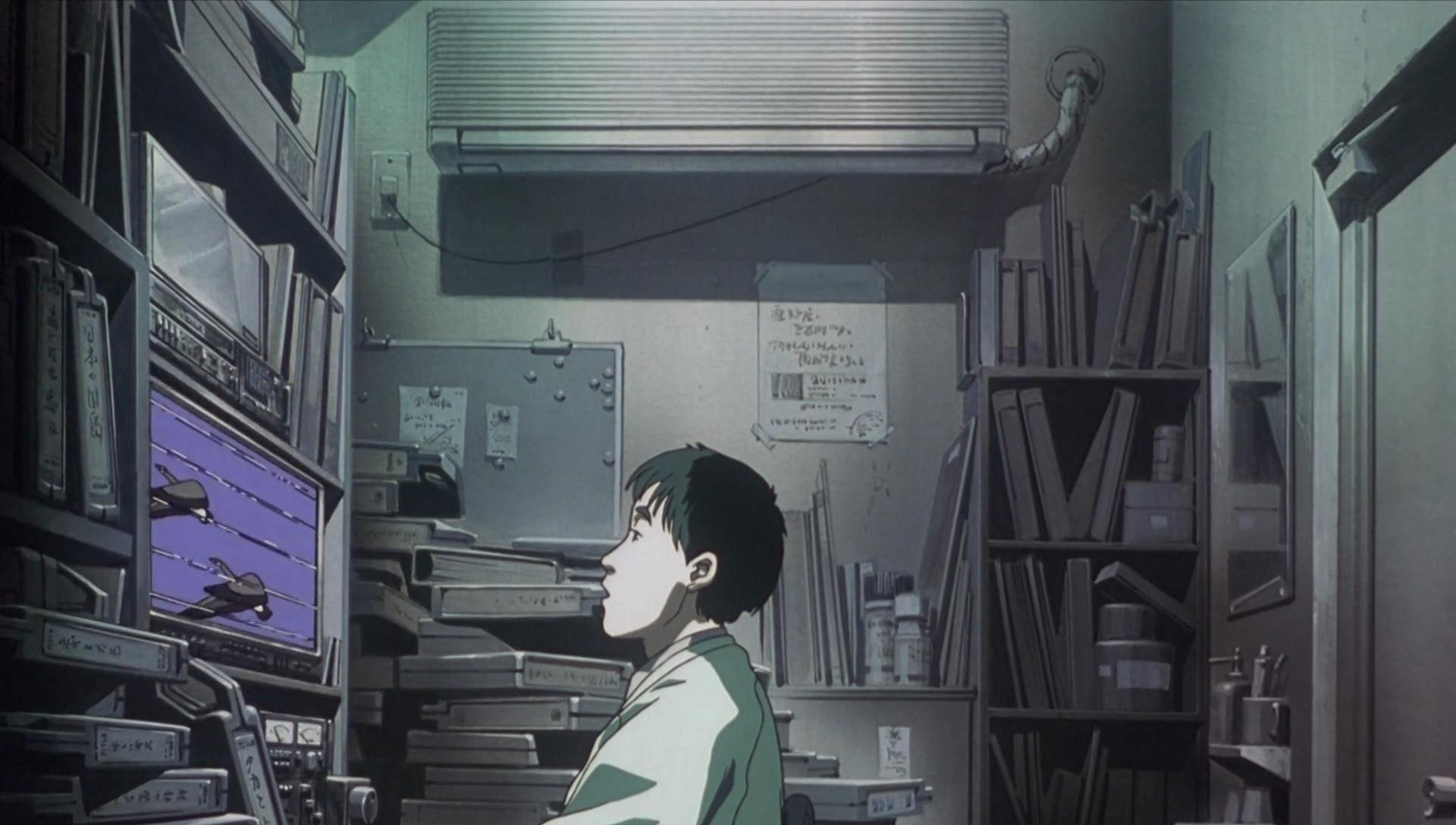
We quickly go to another scene where the “other officer” ends up being a JDF [spy] of sorts. He wants to show the tape to the police division.
He finds himself befuddled with this whole VHS setup. Look at the three players with weird buttons for tape length and cable inputs.
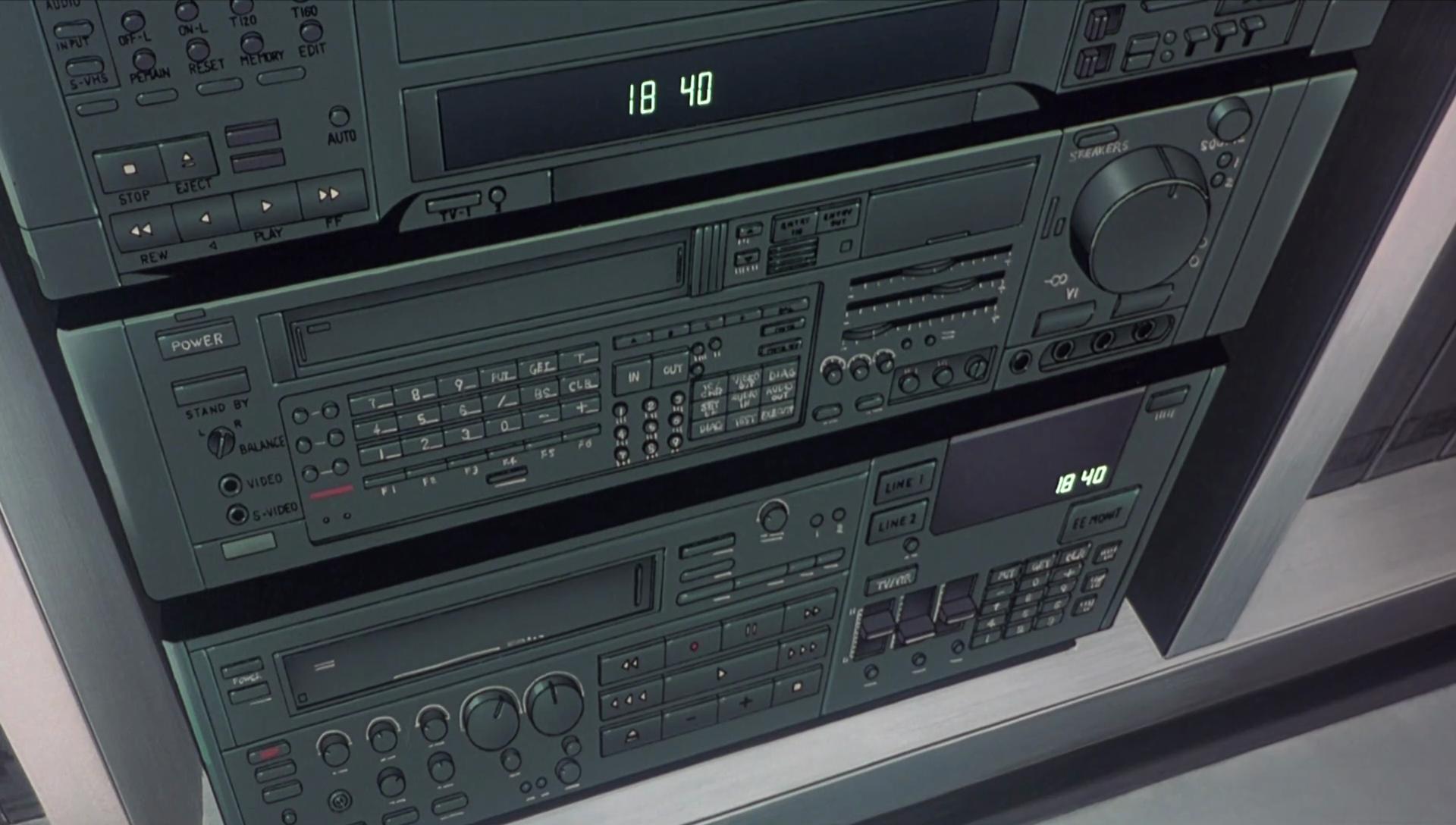

Just look at all of those sweet buttons and very 1990s setup. We have a 16:9 CRT TV in what is a 1999 setting for a movie made in 1993.
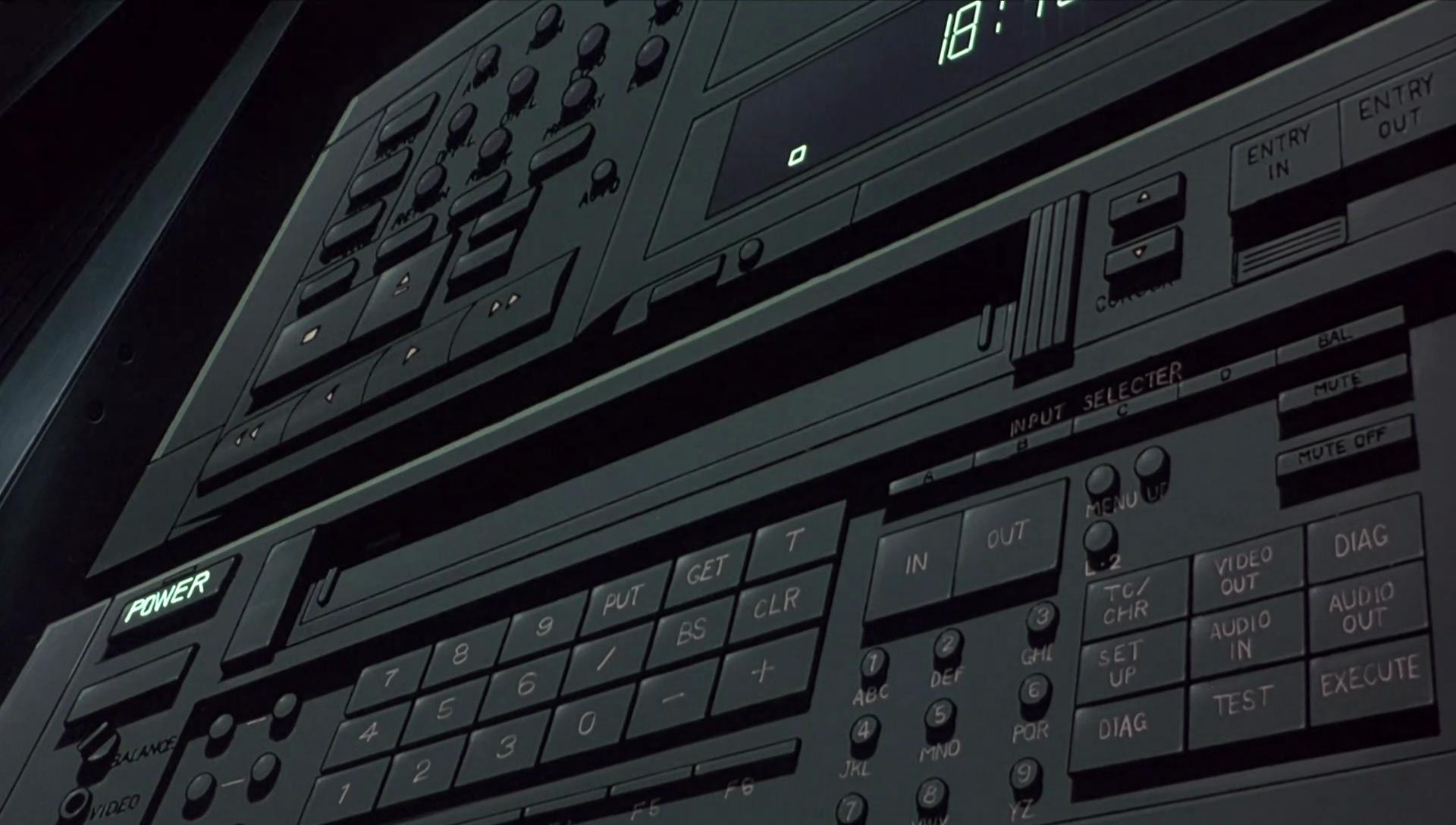
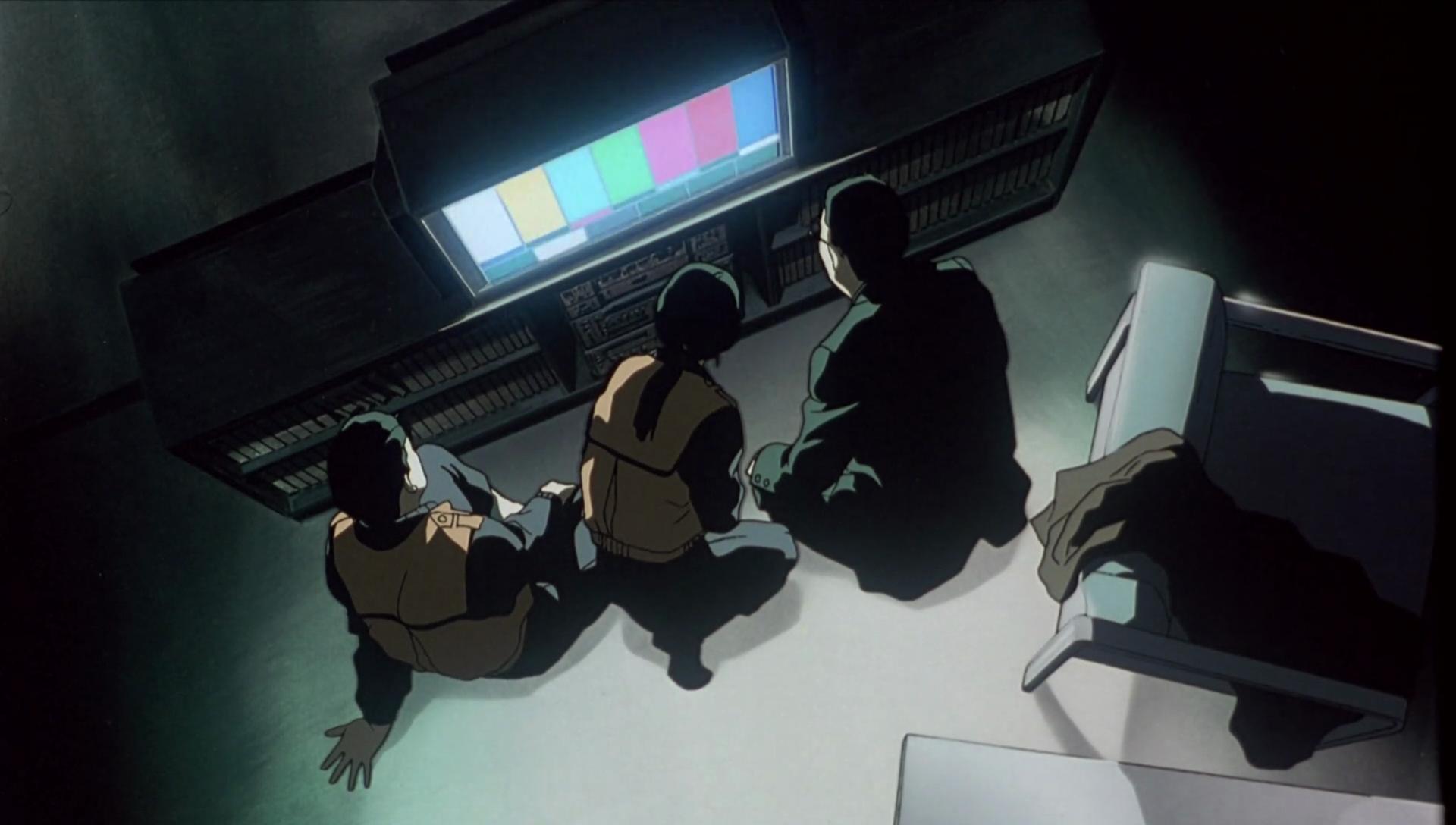
And again, it’s for karaoke.
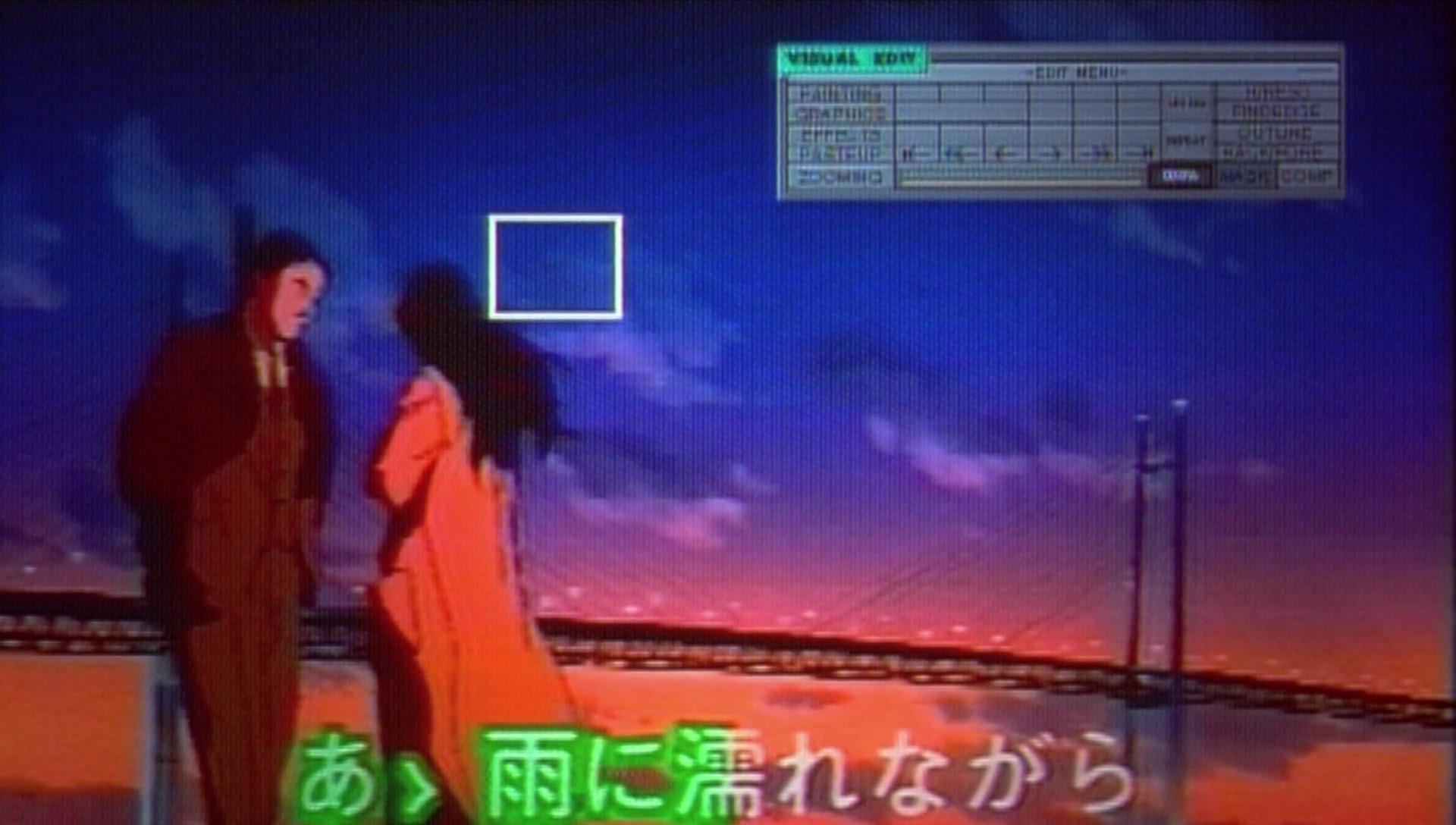
So of course, we find a “speck” in the video that demonstrates that there is something unusual. This of course was from a few minutes before the missile attack.

Somehow there is an editing setup either in the room they’re in or they make use of the computer room they have in the building–this is shown in the first film.
Let’s enhance the image everybody! Oh look. It’s the fighter jet that attacked the bridge!
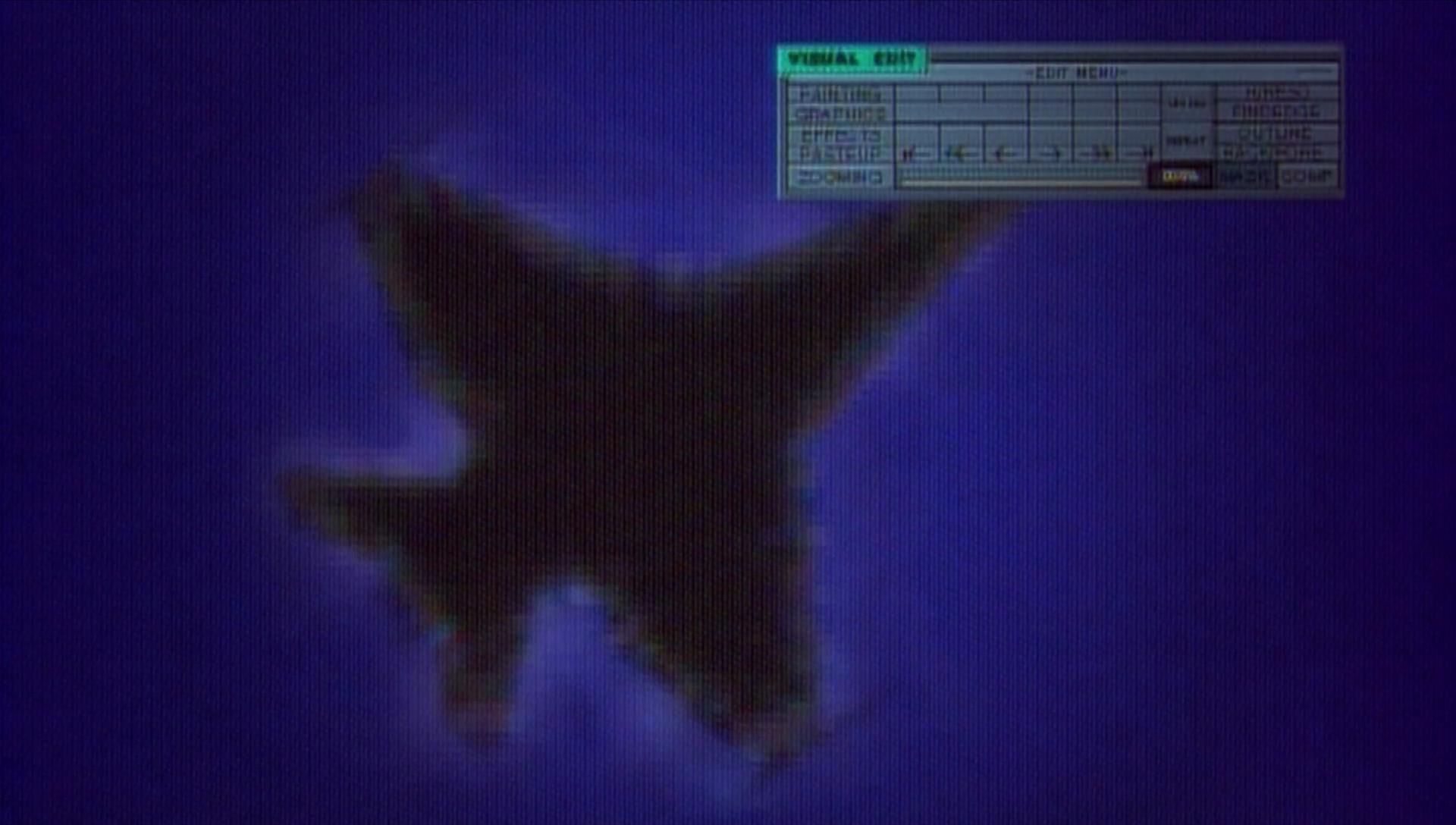
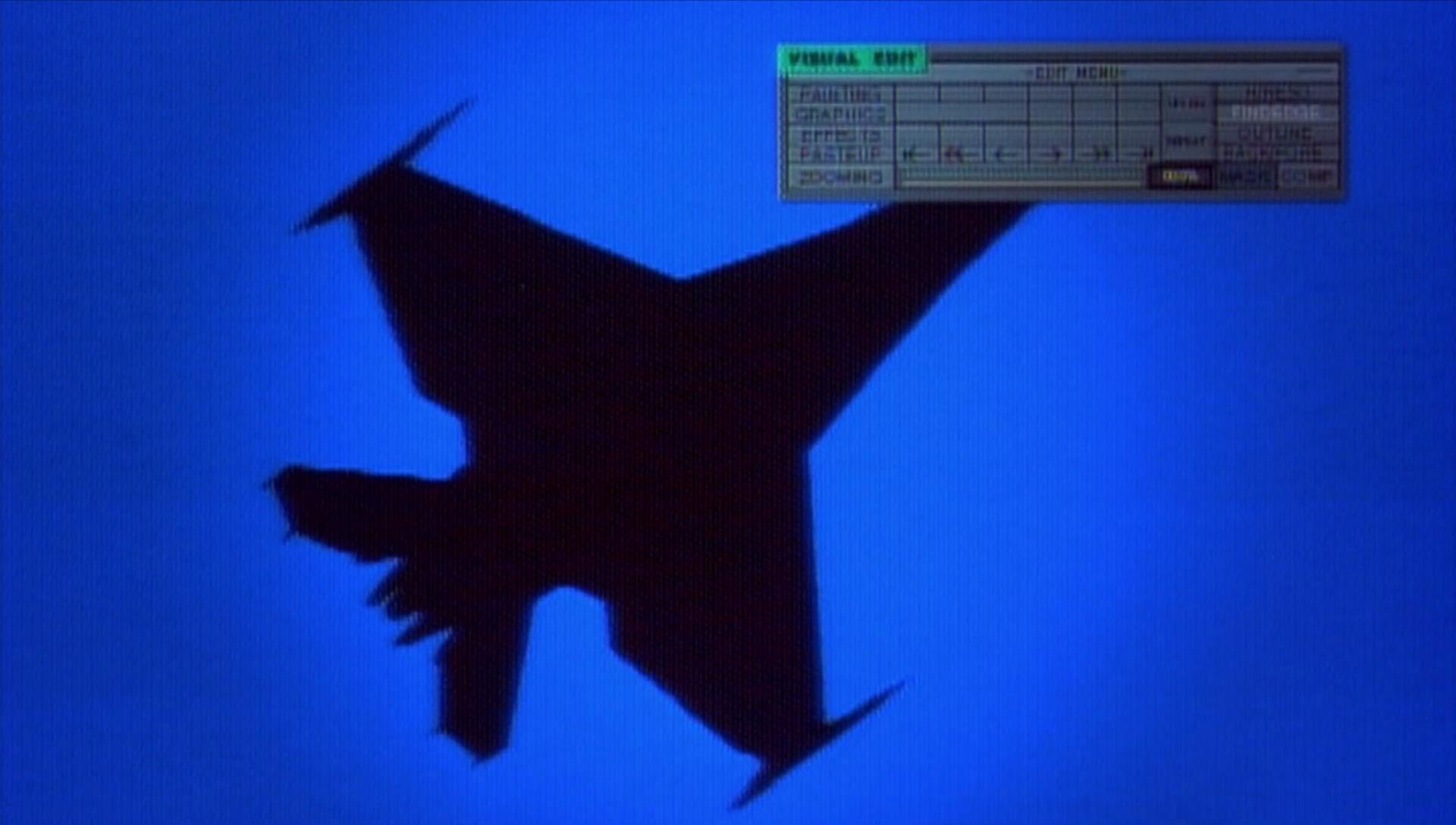
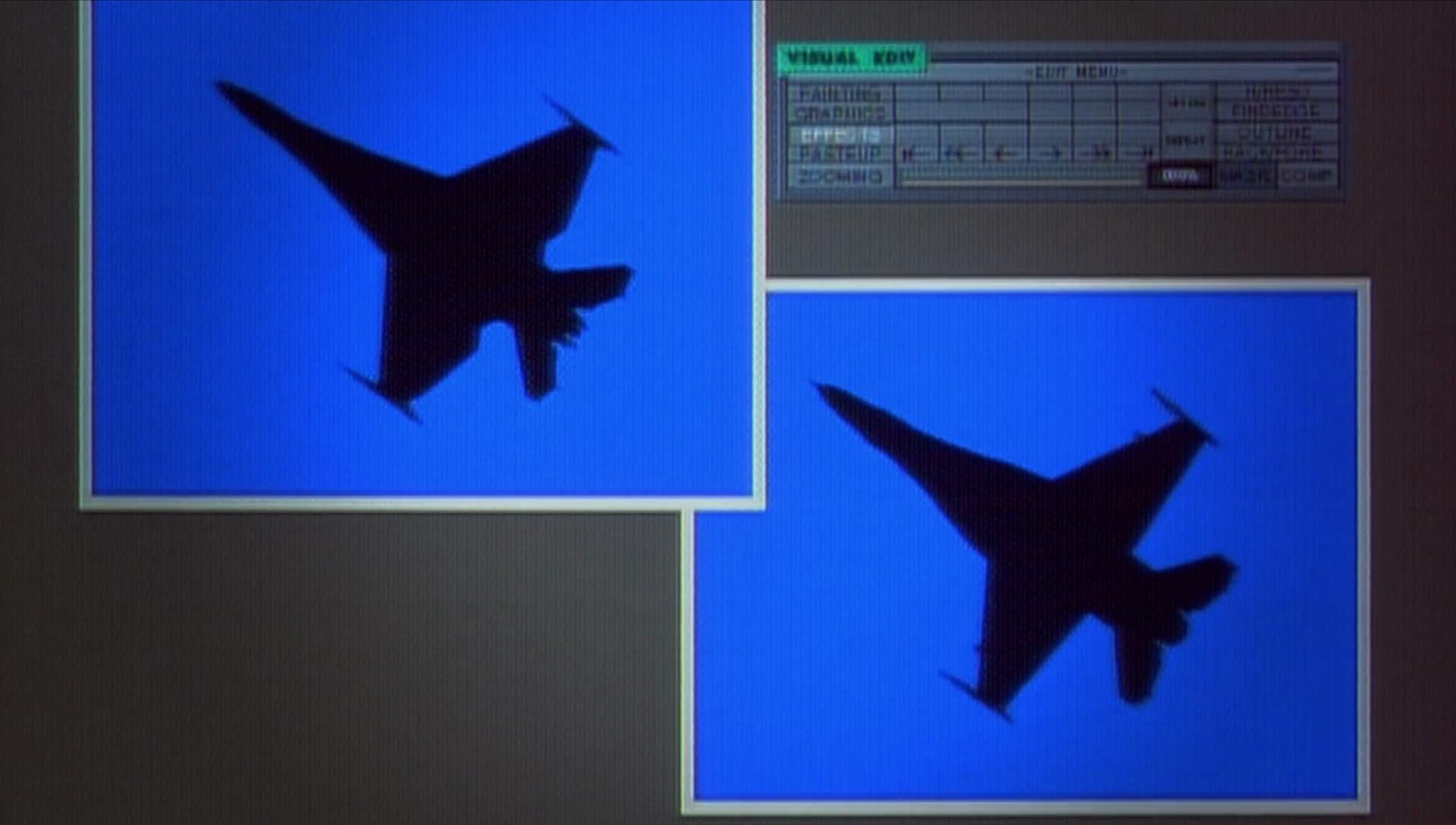
But wait. Here’s the twist: this is not the plane we saw in the news broadcasts. The news said this was an F-16J, but this appears to be another variant that has stealth and exhaust nozzle the JDF doesn’t use!
What is going on here?!?

Anyway, the tape becomes the catalyst for things going very awry within Japan and we start to see martial law being implemented in order to curb the possibility of a civil war.
The scenes make me think of the October Crisis from the 1970s here in Canada.
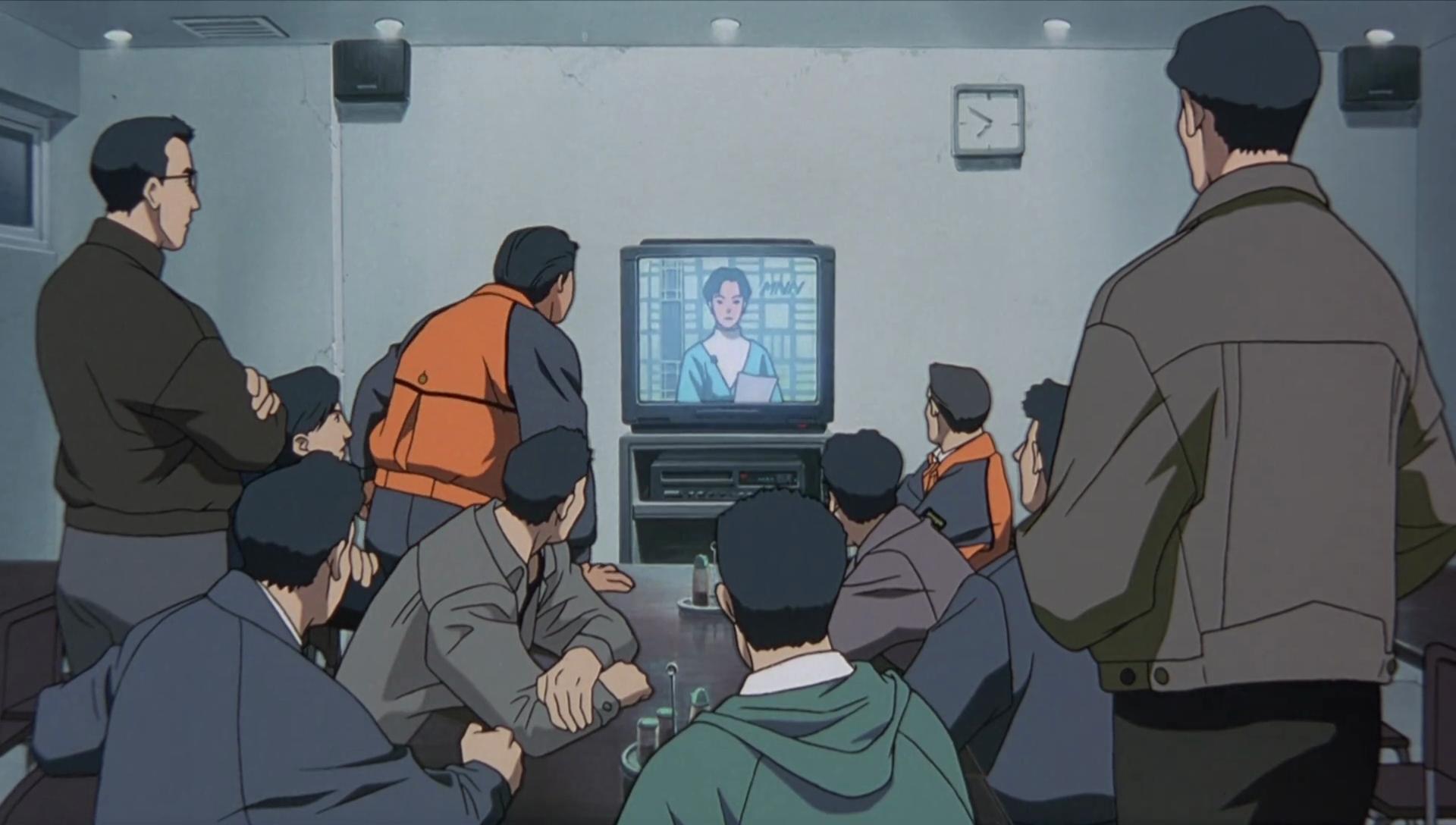
Not everything is 16:9 in the movie as we do see computer displays with 4:3 ratios instead.

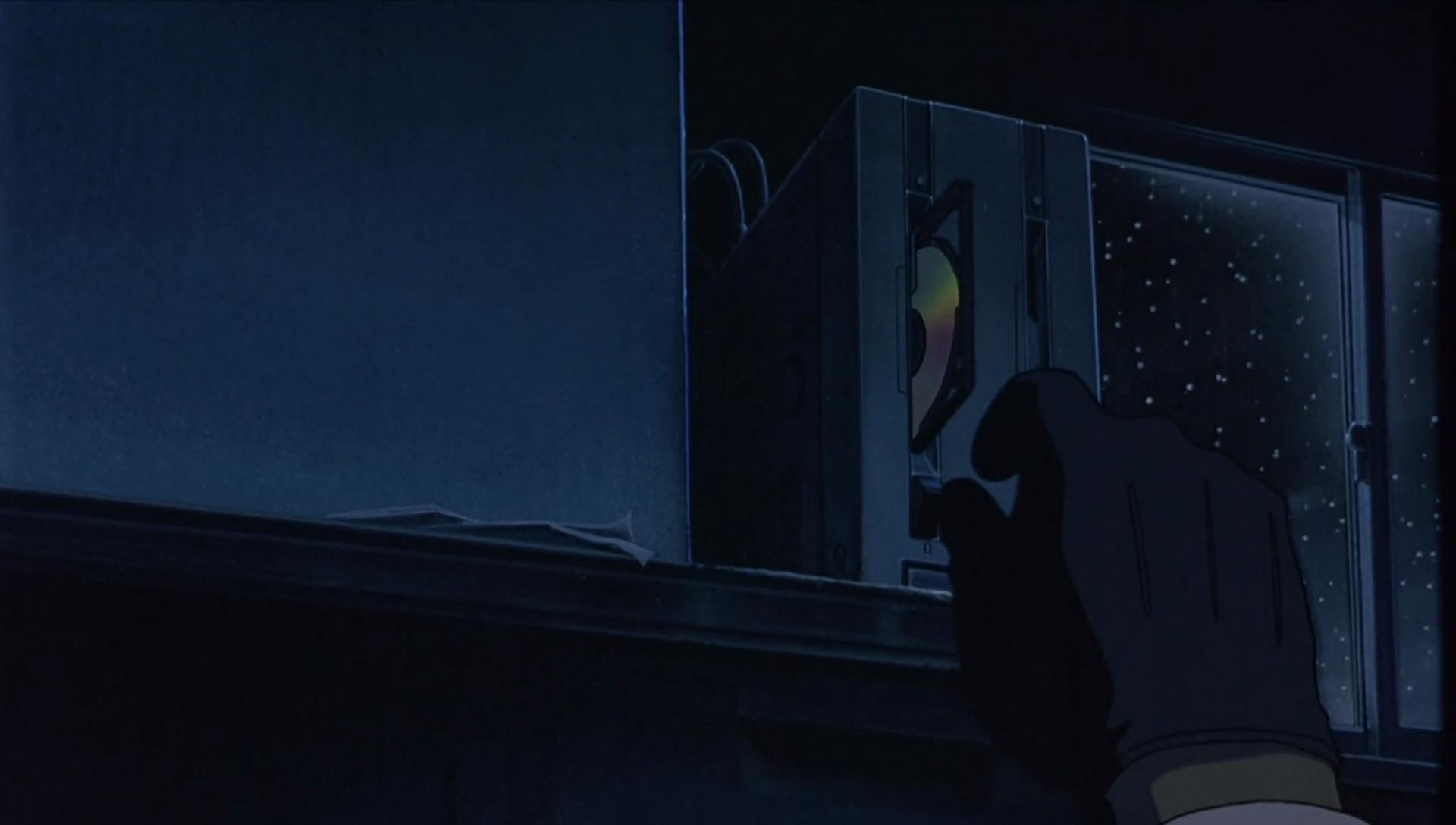
Bonus optical media snapshot. I really, really love the aesthetic of optical media use in old anime.

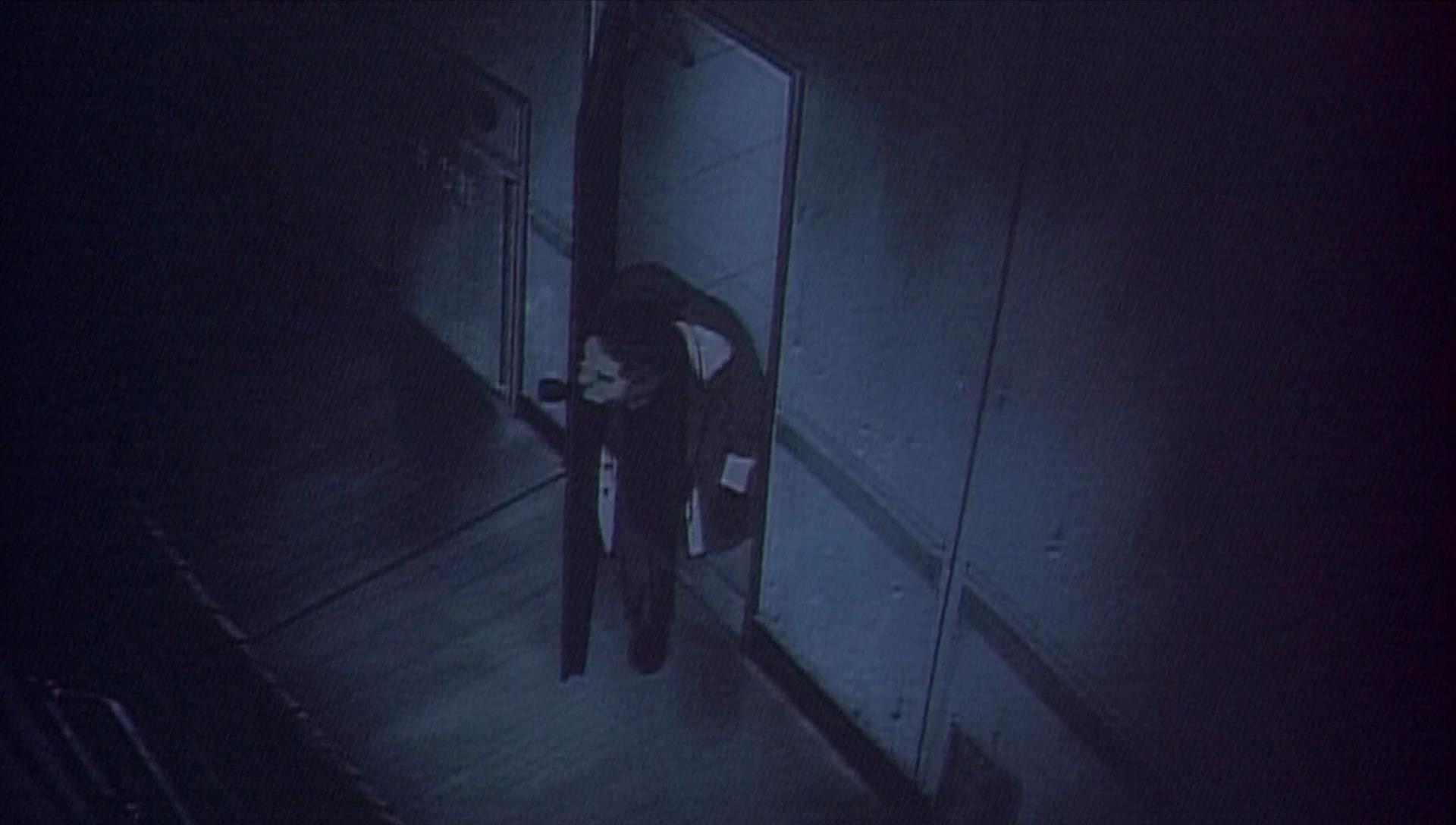
Even CCTV setups were using 16:9 aspect ratios. This is a really wild world because it has only been in the past ten years that we’ve seen this with security cameras.
This is a scene where two of the characters were watching a detective snoop about.
There’s a lot of mobile phone use in this movie too, but interestingly the use of landlines still seems popular enough to advertise what appears to be long distance services from KDDI’s predecessor, Kokusai Denshin Denwa.
Make a call to Hawaii I guess?

Even a radio station appears. This is a valid frequency although it appears that it didn’t exist until 1996.
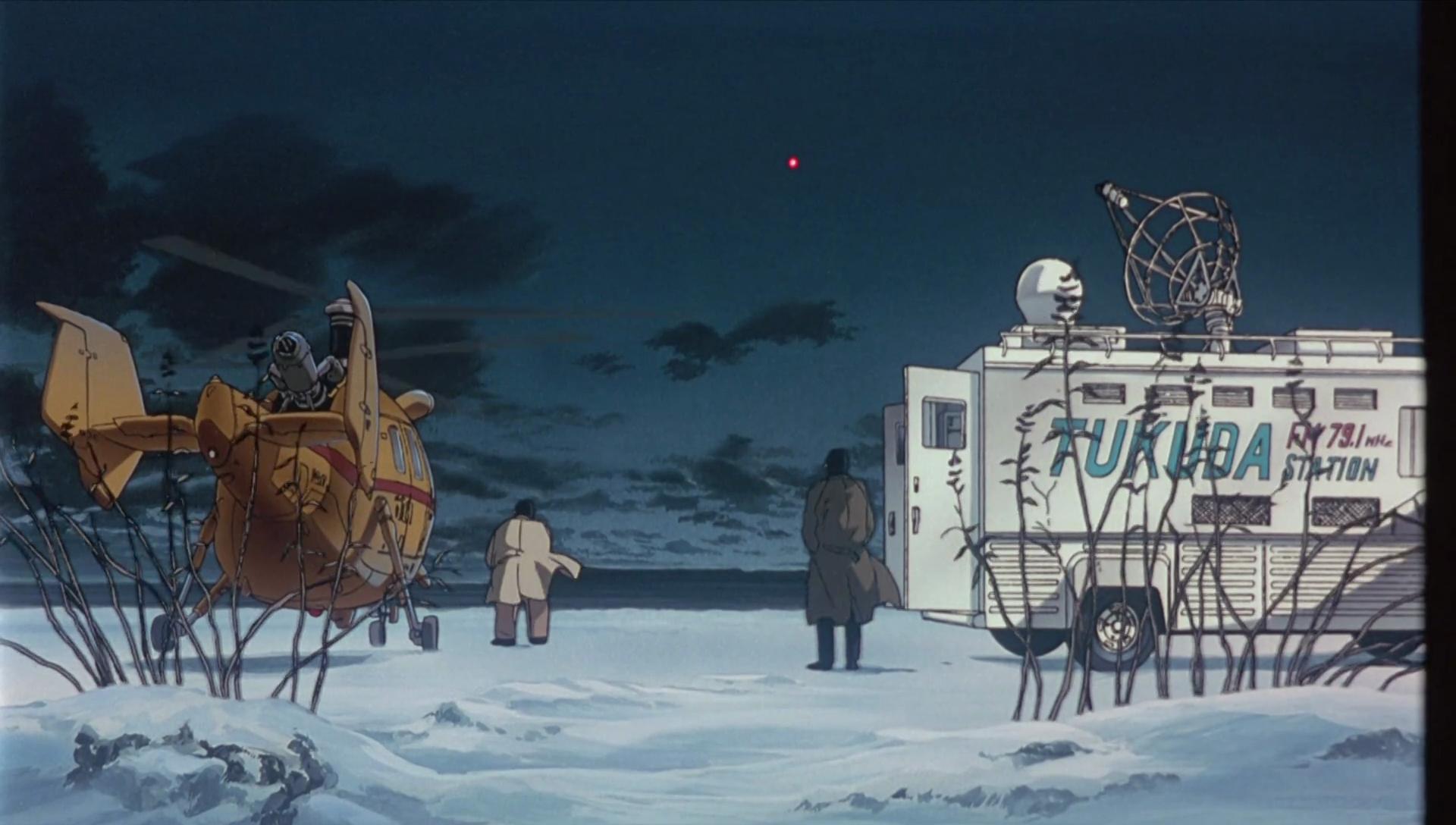
Anyway, Hi-Vision is explicitly mentioned in this movie and I really like the idea that somehow in the early 1990s, analogue HD video started to take off and this movie made it core to the story.
Plus it had cool mechs.
This movie is super fun to watch but it gets more interesting if you have a good understanding of contemporary Japanese politics at least in the 1990s. Knowing how Article 9 of the constitution affects Japan as a whole is really something you should consider before watching.
-
Twitter is today's Eris
Back in 1996, I became very, very into Sailor Moon (and still am). Conveniently, my school had also gotten access to the Internet (sharing a 33.6 kbps modem was fun then) compelling my parents to buy book on how to use it. This is how I found out about Internet Relay Chat and channels to talk about various topics including the aforementioned anime.
However, when I went to connect to IRC, instead of connecting to one network, I connected to another and for sometime I was in another Sailor Moon chat room that was not the one I had found on some Geocities website. Eventually I came to discover this, but it didn’t matter to me because I had gotten used to the space I was in.
The IRC channel I joined was on DALnet and not EFnet. The latter network refers to itself as “the original IRC network” and exists after abuse from when IRC was a free-roaming protocol with interoperability.
Here’s the explanation from Wikipedia:
Initially, most IRC servers formed a single IRC network, to which new servers could join without restriction, but this was soon abused by people who set up servers to sabotage other users, channels, or servers. Restriction grew and, in August 1990, eris.Berkeley.EDU was the last server indiscriminately allowing other servers to join it, Eris being the Greek goddess of strife and discord.
A group of operators, with the support of Jarkko Oikarinen, introduced a new “Q-line” into their server configurations, to “quarantine” themselves away from eris by disconnecting from any subset of the IRC network as soon as they saw eris there.
For a few days, the entire IRC network suffered frequent netsplits, but eventually the majority of servers added the Q-line and effectively created a new separate IRC net called EFnet (Eris-Free Network); the remaining servers which stayed connected to eris (and thus were no longer able to connect to EFnet servers) were called A-net (Anarchy Network). A-net soon vanished, leaving EFnet as the only IRC network.
Continuing problems with performance and abuse eventually led to the rise of another major IRC network, Undernet, which split off in October 1992.
The parallels between the discord leading to EFnet’s existence and subsequent further fragmentation of IRC networks with today’s modern-day Mastodon are painfully obvious.
IRC became segmented because of disagreements, abuse, and then eventually differences in software suites. To add to this, DALnet exists because the original IRC network didn’t offer services to prevent people from stealing channels or usernames.
Mastodon is already facing down this road. We’ve already seen the software forked to allow right-wing conservatives have their own little social media island and I am certain that there are others out there. Disagreements over terms of service and or the permissible content on a specific instance has led to de-federation.
What Mastodon has done is create a situation where someone who wants to talk about their favourite anime has to find an instance and then hopefully make a home there. Is this a bad thing? I don’t know, but like IRC, having connections to multiple instances is quite annoying and thus I don’t like it.
Twitter is Eris. Mastodon is EFnet.
-
When Stadium-Chinatown station also had monorail
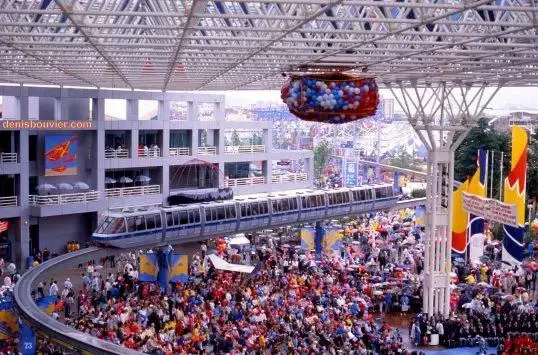
Plaza of Nations at Expo 86 (City of Vancouver Archives)
Expo 86 was Vancouver’s “coming out” party and its theme was transportation. This of course coincided with the opening of what is now the Expo Line from Waterfront to its then terminus at New Westminster. However, there were a few rapid transit systems built for the exposition including one very useful monorail system.
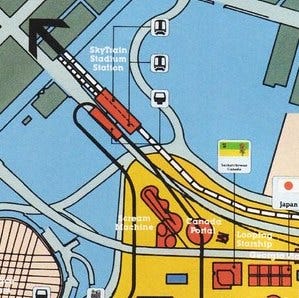
Map showing the transfer point between then “Stadium” station to the Expo 86 monorail (City of Vancouver Archives)
During the event, a monorail platform was situated to the west of what was then Stadium station and it provided speedy service across the sprawling World’s Fair. The entire length of the service spanned over five kilometres and it was vital in not only connecting the parts of the False Creek portion of the fair, but also back to SkyTrain itself which was a link to the Canada Pavilion at what is now Canada Place, next to Waterfront station.
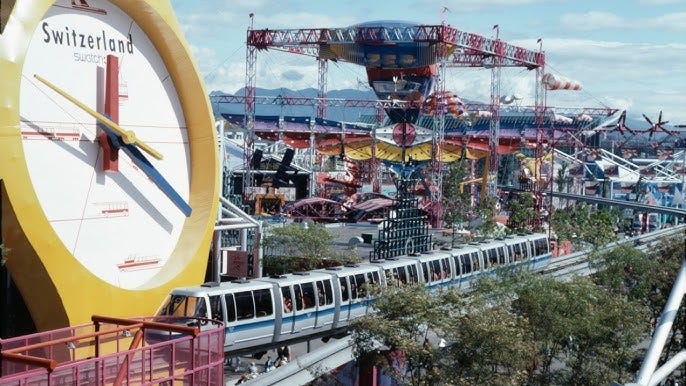
Monorail cruising through the Expo 86 grounds (City of Vancouver Archives)
The monorail itself had several other stops including two near what is now Yaletown-Roundhouse station on the Canada Line, inside of the Plaza of Nations near BC Place Stadium, one at the Cambie Street bridge, and one more just a block from Main Street-Science World (which would then have been just “Main Street” as Science World was simply “Expo Centre” during the fair).
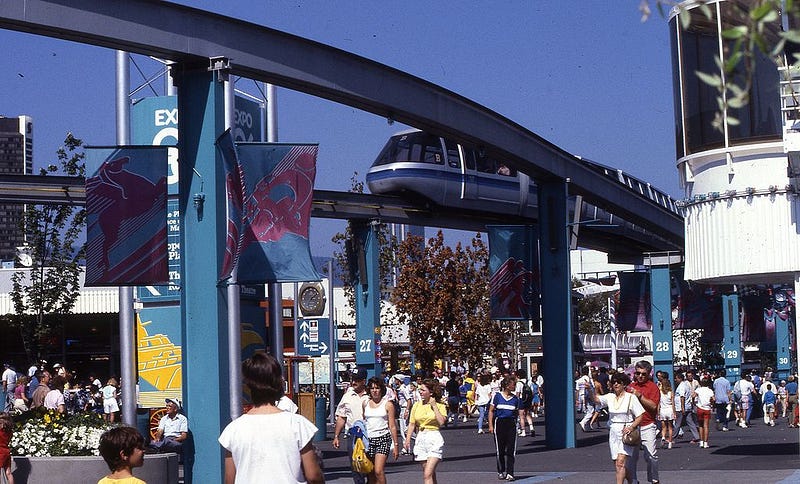
Expo 86 and the Monorail (City of Vancouver Archives)
One interesting thing about the monorail was that it was envisioned as a possible rapid transit system for Metro Vancouver as early as the 1950s (at some point I should write about this). However, when finally built, it simply hugged False Creek and after the fair was over, was dismantled and sent off to England where it became a staple of an amusement park starting in summer 1987.
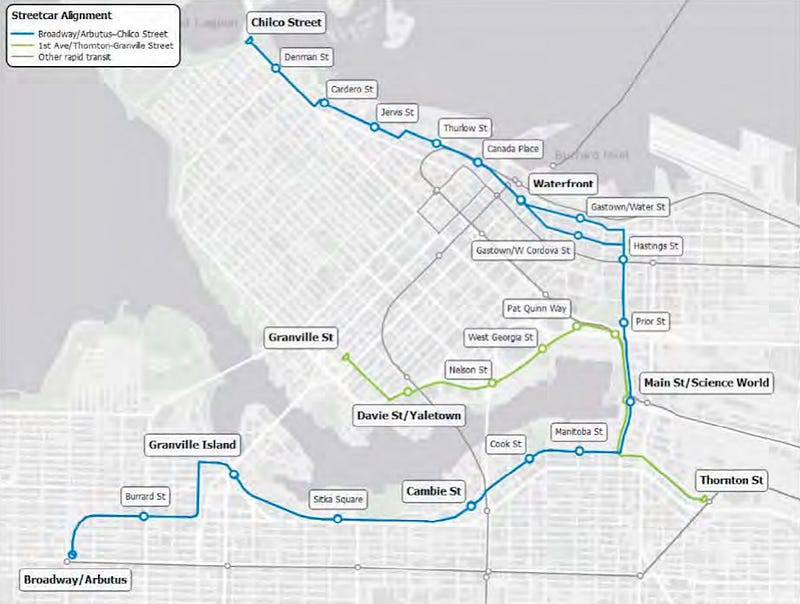
Proposed tram or street car system (City of Vancouver)
The route it took however is still an option under consideration for a street car service (see green-coloured line above), but Vancouver City Council has been speaking about this idea for decades and it probably could be decades more before we ever see that happen even though as early as last year it had another report released on it.
This originally appeared on cohost.org/VancouverTransit but has been moved here due to the site’s shutdown.
-
Sending Thomas the Tank Engine to space
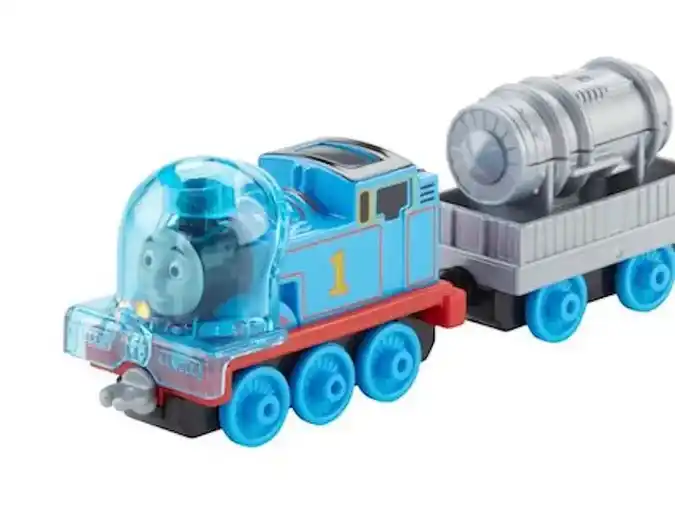
This image bugs me. It has always bugged me. So I want to know: could Sodor send Thomas to space and if so, how much would it cost? Since Sodor is modelled on the Isle of Man, I figured I can have some fun here.
The GDP of the island, the train and fuel, and then its cost will all be discussed here. I am not an economist nor a rocket scientist, so just enjoy this chost and get in the comments if you have a better answer.
Figuring out Sodor’s GDP
This is important since we want to know if the economy of the island could pull it off.
The population of Sodor is suggested to be about 60,000. The Isle of Man is estimated to be around 81,000, which makes Sodor 74% of its population size.
We don’t have any details from Sodor about its economy, but it certainly has more railways than Isle of Man, which has only one and it is just a tourist steam line. I feel comfortable with just US$5.54 billion being Sodor’s annual GDP since it’s 74% that of the Isle of Man’s.
Interestingly enough, the real world Isle has been home to a few private space ventures.
Physical details on Thomas the Tank Engine
This wasn’t too hard to figure out as it turns out to be a LB&SCR E2 class engine built in England between 1913 and 1916.
Why this is important is pretty simple: we need to know how much he would weigh and how much water is required to allow him to function.
As it stands, its dry weight is 53,600 kg. However, it also has to carry water, and its capacity there is 5,710 litres. Water is great since with the metric system we can immediately covert those litres into kilograms by switching the units, making the whole weight of the train sans coal 59,310 kg.
The coal part is tricky. Steam locomotives traditionally used anthracite coal, which weighs about 1.5 g per cm^3. This information is otherwise useless to me because I have no idea how much coal Thomas requires in order to function.
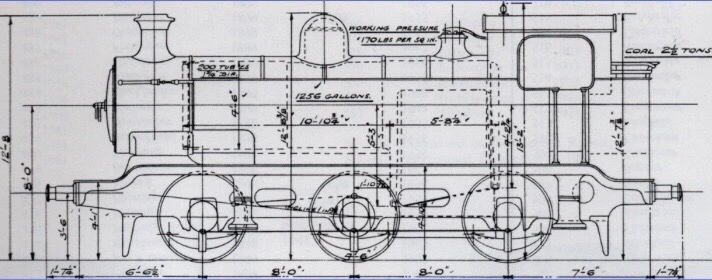
However, I lucked out and found a diagram of the train and it specifies 2.5 imperial tons of coal! That is an additional 2,540 kg, for a grand total of 61,850 kilograms for a fully-functional Thomas the Tank Engine.
Can a rocket send that much mass to space?
This is where the situation starts to get a bit dire: the best we’re going to do today is low-earth orbit.
Most modern rockets are in the range of a few thousand kilograms and as we increase the mass of the payload, the shorter the distance we’re able to travel. Getting off the ground is expensive-fuel wise as we have to fight the gravitational forces that our planet forces on us.
However, if we’re satisfied with low-earth orbit and just being a satellite or possibly docking with the International Space Station, the Falcon Heavy rocket is capable of lifting 63,900 kg to around that height, meaning we’re just about 2,000 kg under its maximum payload capacity.
So how much will this cost Sodor?
SpaceX claims that it will cost about US$1,200 per kilogram to send something to space on its Falcon Heavy–it is also the cheapest out of any competitor government or private.
At 61,850 kg, that translates to US$74.2 million to just lift Thomas up into orbit. This of course does not take into account the cost to prepare Thomas nor transporting him across the Atlantic to a launch site, but it’s a base cost. I’d pad this to US$100 million to just consider all the nonsense required to make this happen.
Going back to Sodor’s GDP, this means that 2% of the island’s economic output would be devoted to this stunt. To compare this back to Isle of Man, this would be on par with their entire tourist sector.
So it’s possible to send Thomas to space then?
It’s doable, but it would be a rather weird stunt. I have no idea how he’d get back.