-
Today, I sent my MP an angry letter over Jagmeet Singh being a bonehead about the housing crisis in Canada
As taken from this article:
Jagmeet Singh said he’s hearing from families who call the rise in interest rates “sharp and rapid” — resulting in “mortgage misery.”
“There are so many families that are wondering how to afford to keep their homes,” he said.
The federal NDP leader addressed ongoing concerns with Canada’s high cost of mortgages and interest rates in front of a Windsor, Ont., home Wednesday morning.
[…]
He said adding to the problem is Canada is in the midst of a housing shortage and needs to build more faster than ever before.
“We also need to build more homes, rapidly. More homes that are affordable to rent or to buy. We need to make massive investments and make those investments as quickly as possible … And we need to make sure we’re taking measures to save people money, to put money back in their pockets.”
Singh said the government should be exploring incentives to encourage developers to build privately.
All of this had my incensed so I opted to write a letter to my MP who is also in the same party.
Mr. Davies,
I am writing you today to express my displeasure at your leader, Jagmeet Singh’s decision to put the plight of mortgage-holders above the plight of renters. For him when speaking with reporters to use “mortgage misery” and then not discuss what renters are facing such as “eviction atrocity”, “rent increase melancholy”, and “displacement agony” is counter to the values I expect from the NDP and its leader.
Why must we rely on the private sector to provide housing as he proposed in this media show he made on July 20th, 2023? What are you, your leader, and your party proposing to do that doesn’t require housing to turn a profit?
We have seen over the past 40-years that relying on the private sector to build adequate housing stock has simply not worked. I’ve watched many rental properties in your leader’s own riding of Burnaby South be turned into luxury condos at price-points none of the former residents of the area could ever afford. We’re now seeing this play out in our own riding and as a renter, it doesn’t help my anxiety.
Where is his demand for the Canadian Mortgage and Housing Corporation to return to funding new development of cooperative housing? Why are we sticking to the binary of either renting or owning? The building of cooperative housing should be front and centre as an alternative to ownership.
If we must stick to the binary of renting and owning, why are we then not having the CMHC or some similar body be the landlord? What is the problem with having the government compete with the private sector to depress rental prices and make it less compelling to rent homes that aren’t purpose-rental to begin with?
Let’s stop making housing a problem for the private sector to resolve.
I’ve had to deal with the messaging that housing is an investment throughout my life, yet somehow it is overlooked that investments come with risk. I invest my retirement savings as a way to increase its worth for me, but I watched in 2021 my loss of tens of thousands of my hard-earned dollars because of market conditions. Where was my relief? I never expected it because I knew that my investments were a risk, yet somehow housing is too sacred?
All of this stinks and hurts everyone. I do not want to see mortgage holders suffer as I can make arguments to why owning is better than renting, but to see this sort of messaging and then be tone deaf to everyone else all in the same speech goes to show how out of touch Mr. Singh is with the public. Mortgage-holders who do not have the means to pay as interest rates rise definitely need assistance where reasonable, but renters are once again being forgotten.
Jagmeet’s desire to stick to this binary speaks volumes about the lack of imagination coming from the NDP during a housing crisis created by the Liberals and Conservatives since I was born. To seemingly want to stick to messaging to assuage the status quo instead of proposing something as radical as what other countries have done tells me that your leader and party are out of touch with actual solutions that hard-working people in this country need.
Regards,
Cariad Heather Keigher
Reminder: if you ever want to write your Member of Parliament, it’s free provided you’re sending a letter to their Ottawa office.
Mail may be sent postage-free to any Member of Parliament at the following address:
[Name of Member of Parliament]
House of Commons
Ottawa, Ontario
Canada
K1A 0A6
-
The Successor to the Mark I SkyTrain
After SkyTrain was extended to Scott Road in 1991 and plans were put in place to extend it to the Expo Line’s current terminus, King George, there was a lot of talk by BC Transit and the then ruling Social Credit (Socred) government of the time on where to take Metro Vancouver’s transit network next. With more service means more trains and BC Transit made it a point to investigate its options.
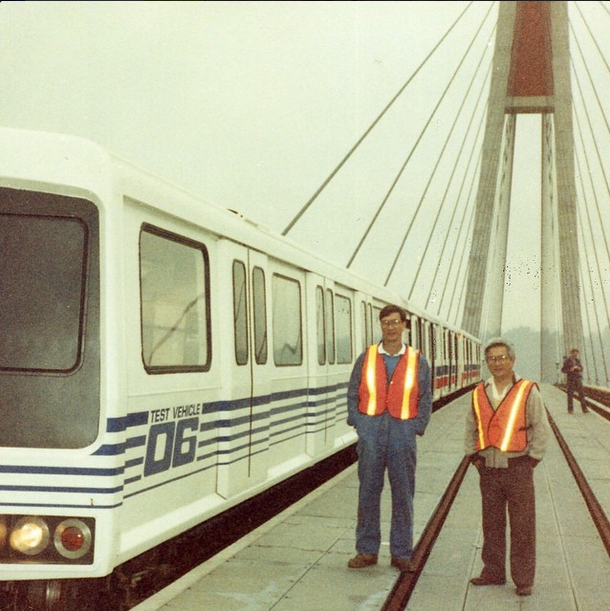
Test Vehicle 06 or “TV06” was brought over from Urban Transportation Development Corporation’s facility in Kingston, Ontario. UTDC were the creators of the original SkyTrain technology and vehicles, so it was a natural fit for them to be involved with the creation of a successor vehicle.
UTDC’s approach was simple: take an existing Mark I vehicle and extend it. What was interesting about their approach was that the vehicle they chose was used on the SkyTrain demonstration line in 1983.
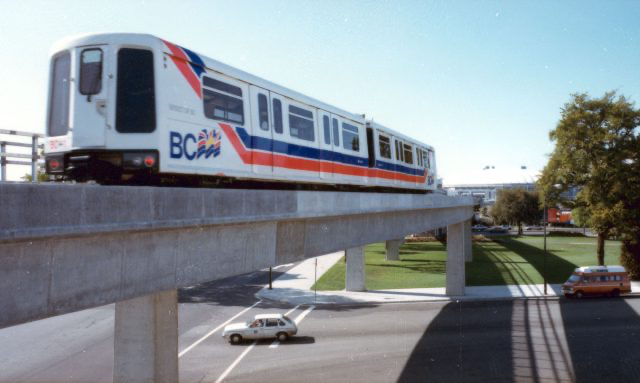
The vehicles used for the demonstration were the property of UTDC and had been used for testing and sales purposes after they returned home. UTDC decided that one of the vehicles would be better served as a test platform for a longer version of the vehicle with an additional door.
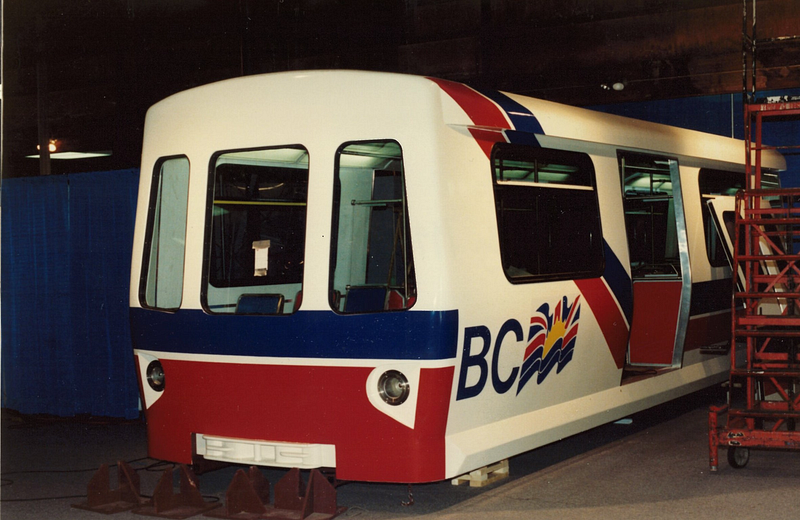
BC Transit continued to investigate options for the future of SkyTrain including hiring a film production crew to build a mockup train. This train was made of wood and while I cannot confirm, I have read that it was put on display at the 1991 Pacific National Exhibition (PNE).
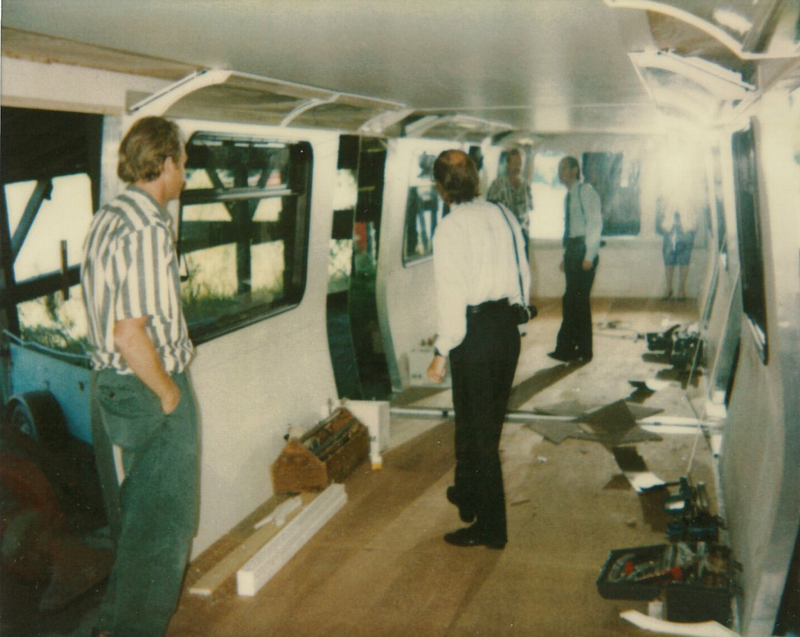
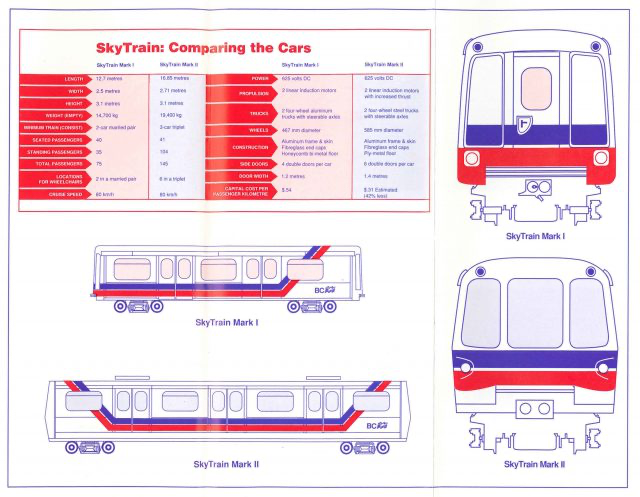
These trains may look familiar despite never having made any revenue service appearance, as this version of the Mark II was eventually used for Kuala Lumpur’s metro system. They were sold as cheaper than existing SkyTrain vehicles, could hold twice as many people per car, and were of course still compatible with the existing system.
However, plans were about to briefly change with an upcoming election. The sitting Socred government lost handily to the New Democratic Party (NDP) in the 1991 fall election. This new government had long been skeptical of SkyTrain and wanted to implement light rail (LRT) as opposed to advanced light rail (ALRT).
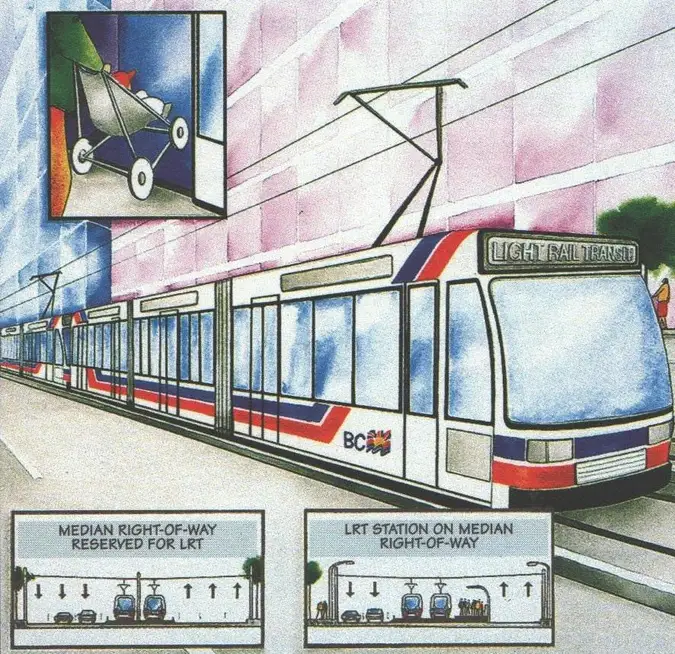
The story around the Millennium Line potentially becoming LRT too deserves its own article, but suffice to say, after a few years, this idea was abandoned sometime after Premier Mike Harcourt resigned and Glen Clark took his place.
He favoured going back to SkyTrain and in 1998, his government had BC Transit partner with Bombardier, UTDC’s successor to not only use ALRT technology for the new line, but to also build the trains right next to SkyTrain’s maintenance facility in Burnaby.
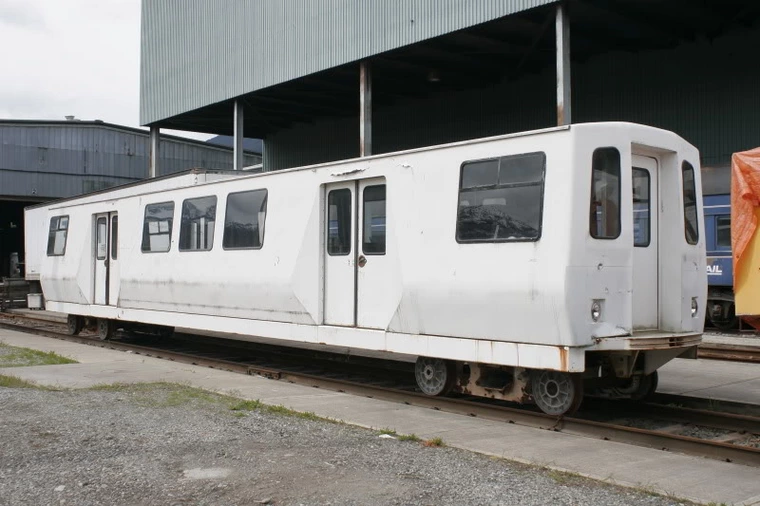
A “dummy” train was made and tested on the Expo Line during the planning stages for the new vehicles. It had no powertrain and thus had to be pushed around, but it was used to provide data to BC Transit and Bombardier for the development of a new train.
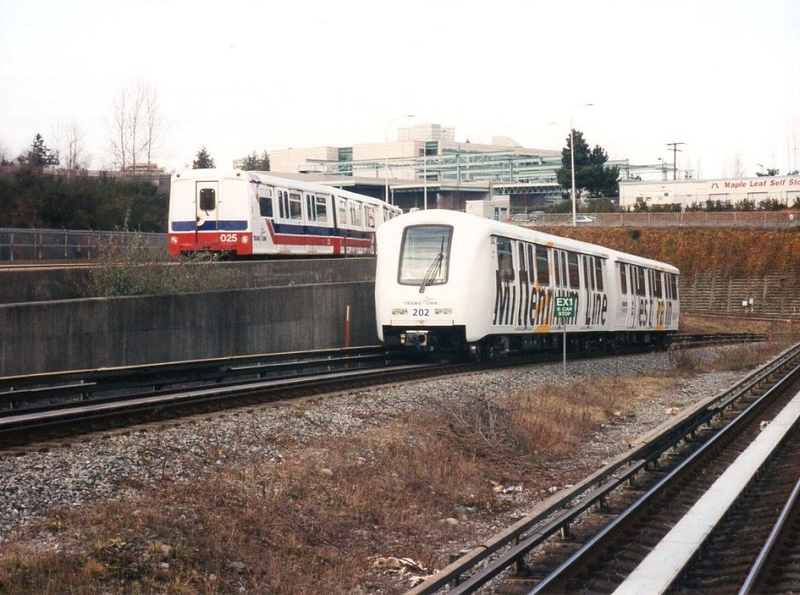
In 2000, the Mark II test vehicle started to venture on the now Expo Line. For the most part, tests were flawless and minus a few tweaks to the line itself such as changes to switches or placement of track indicators, they eventually entered revenue service in 2001 just in time for 2002’s opening of the Millennium Line.
The Mark IIs and Mark Is were a common sight on both lines. However, the Mark IIs were more popular as they had features such as air conditioning and were considerably quieter in operation. Exiting a Mark II train during the morning or afternoon rush was also much easier thanks to having three doors and more space when standing.
While the Mark I is still a common sight on the Expo Line, they are approaching nearly four decades in use for the original train sets and despite a refurbishment programme starting in 2013, they are due to be retired.
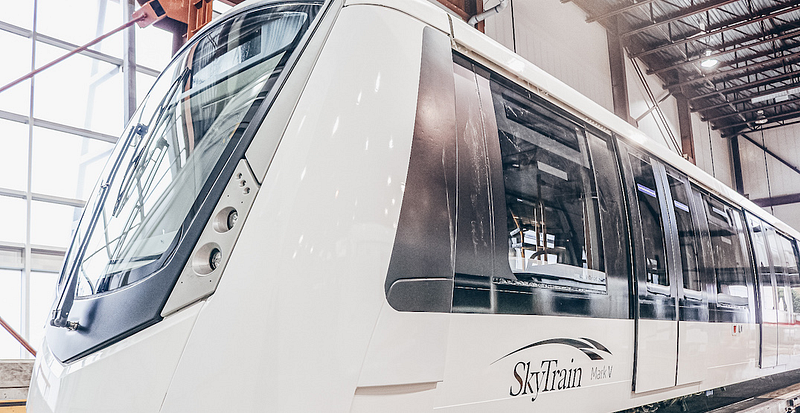
Later this year, Mark V trains will be delivered from Alstom, who has since acquired Bombardier. A total of 41 new train sets have been ordered to replace the aging Mark I fleet and to allow for the extension of the Millennium Line to Arbutus to meet expected capacity needs. By 2026, these new trains will completely replace the Mark Is.
I personally hope someone acquires one of the Mark I pairs and opens a coffee shop inside of one called the “Expresso Line”. If you like that idea and want to run with it, it’s free.
Portions of this article were sourced from this Buzzer piece written back in April 2019. This was also originally posted to cohost.org/VancouverTransit.
-
Downtown Vancouver’s railway
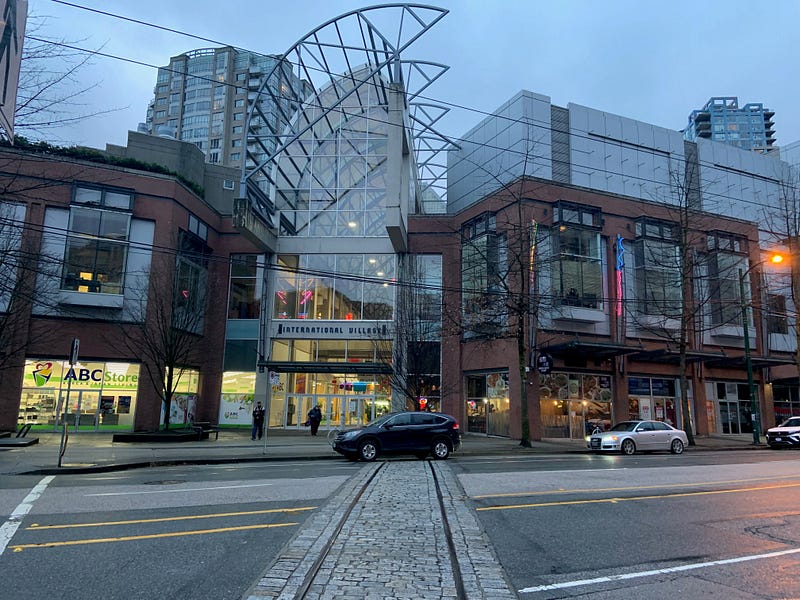
Shopping centre with a disused railway going through
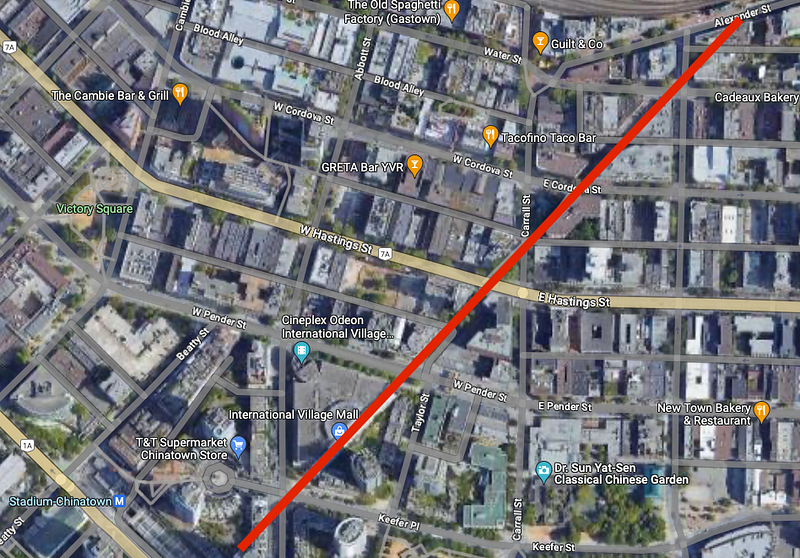
Map showing its old path
If you find yourself wandering in and around Chinatown and Gastown, you might notice an alleyway that there is an alleyway that goes on an angle from the port to International Village shopping centre, with its entrance continuing this path towards about where Stadium-Chinatown station stands today.
This is what is left of a railway that connected the Canadian National Railway’s (CNR) yard in what is today Yaletown plus other railway services to the Canadian Pacific (CPR) yard near the Port of Vancouver.
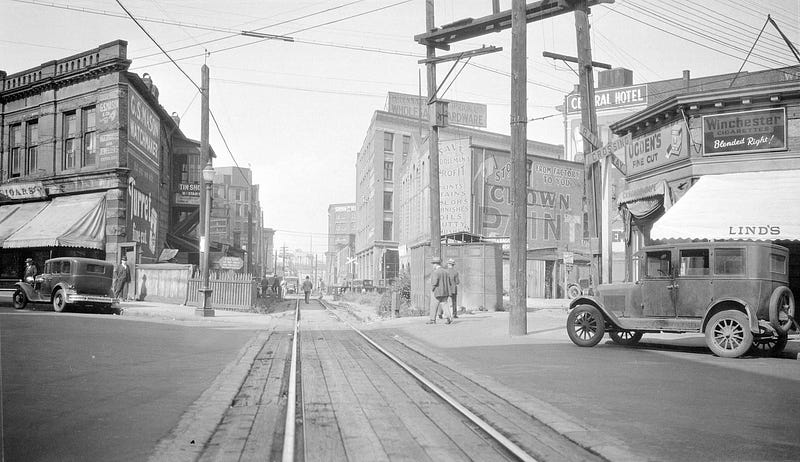
Prior to 1932, the CPR’s only option to reach Burrard Inlet was a pathway that crossed through a cut in Vancouver’s busy city centre. The railway intersected with the busy streets of Pender and Hastings and passed the BC Electric Railway’s downtown terminus at Carrall.
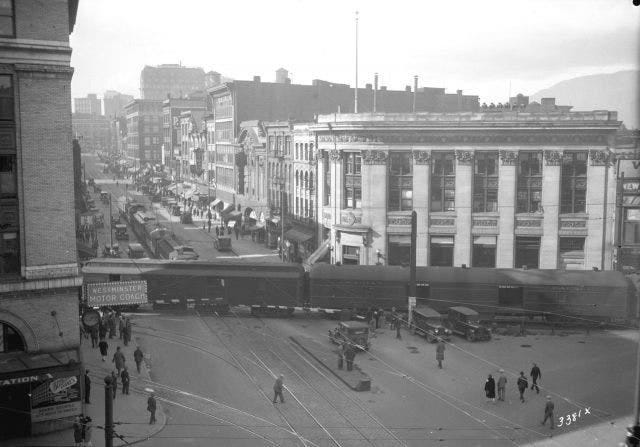
This unsurprising produced a great deal of congestion for the city and railway. The railway needed to get mail, freight, and passengers around quickly and the city wanted fewer accidents. At a cost of CA$1.6 million (or about CA$33 million in 2023), a tunnel was built under Dunsmuir street to then s-curve to an exit at about Burrard Street.
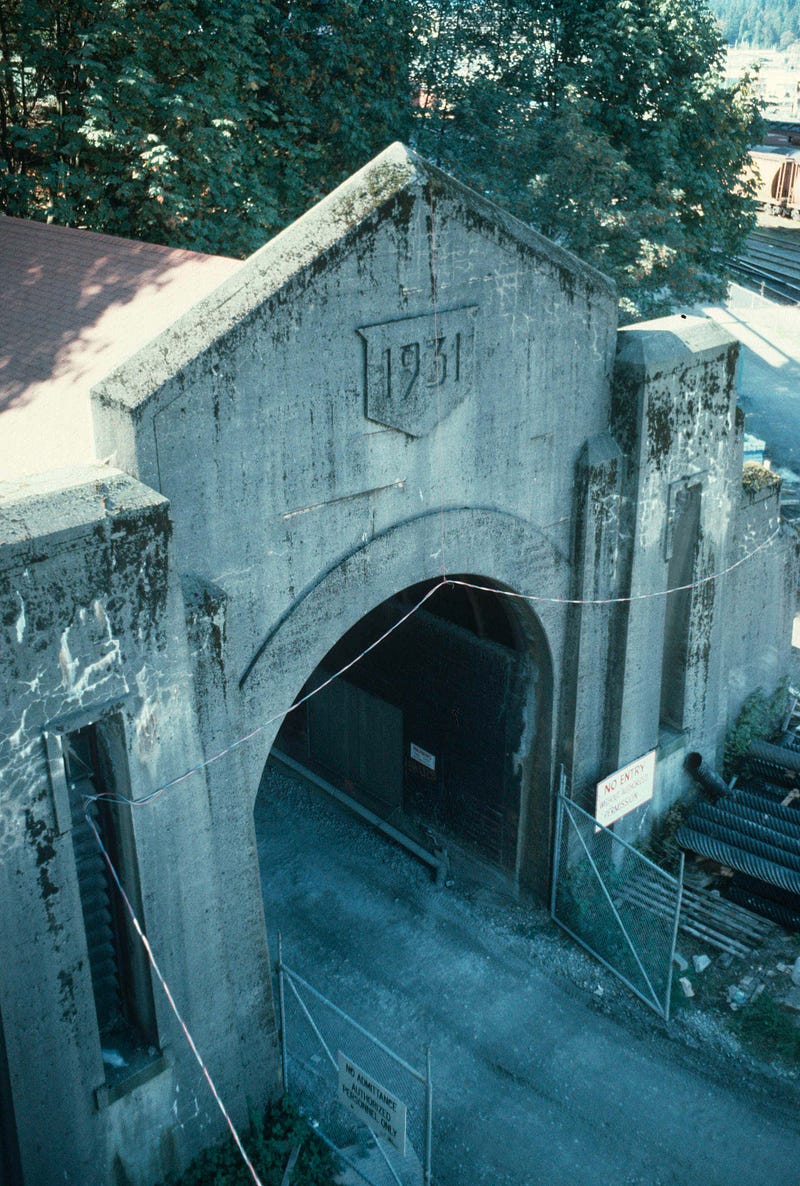
CPR trains could now quickly loop around to their station at what is now Waterfront and no longer have to find themselves at odds with other railway traffic or people.
This tunnel would keep its importance until passenger and freight services to the area ceased in 1982. It would then eventually become the underground portion of the Expo Line we have on the SkyTrain system today.
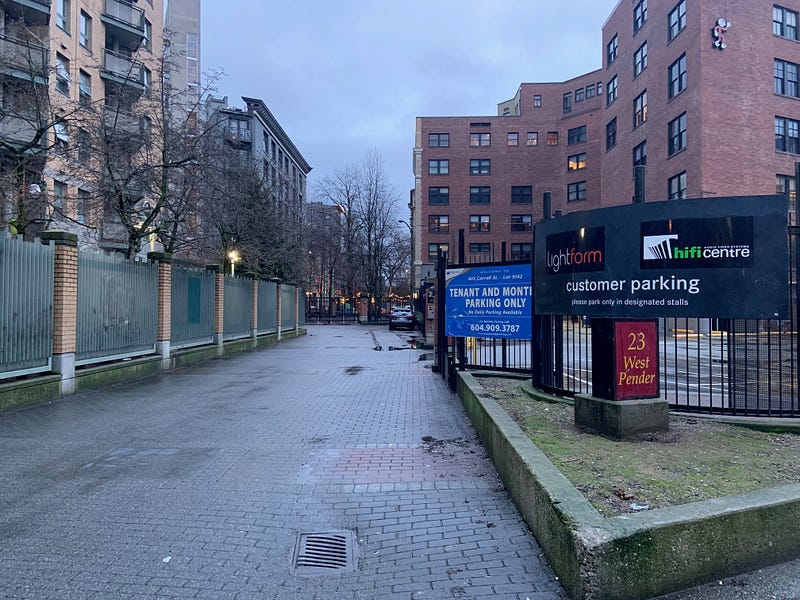
As for the former surface railway, it had become disused and over time development in the area turned it into a parking lot, a beautified alley, and the main hall of a shopping centre. It seems that both the tunnel and the cut it replaced have survived in their own ways.
This was originally posted to cohost.org/VancouverTransit.
-
You don't need to stream on Twitch to speedrun
A comment came up in my direction this past week that I felt like I need to refute: “you need to stream on Twitch to do well at speedrunning”. This response was troubling as it came from someone that the speedrunning community needs more of: women.
Women and non-men are less common participants in the speedrunning world. There are a lot of reasons for this, but a reason is that streaming can be daunting. This may be due to concerns about safety, the cost of streaming itself, or just having little to no desire to have a public face when engaging in the hobby. However, this should not be a limiting factor and there are a lot of options to get in on speedrunning and I want to write about them here.
Firstly, you can speedrun a video game even if you have a loose interest in it. Getting a world record should never be your goal. I enjoy speedrunning Super Mario World when I can and I am only somewhere in the 700-800th place range in the category I like to run. My goal is to beat my last best time and keep getting better than what I did before. Everyone else is just people I am passing on my own journey.
This attitude I feel is healthy and important. Nobody should have solely “compete” with other speedrunners, but instead just best themselves. It’s no different than picking up an exercise routine and besting your 10 KM runs.
Secondly, streaming gear is expensive but you don’t have to go all out on recording your runs. If you’re streaming a game that is emulated or running on your personal computer, you don’t have to do much other than record your game locally using just OBS. And yeah. You only have to record your speedrun if you want to track it on a website like [Speedrun.com](https://web.archive.org/web/20250102001603mp_/https://www.speedrun.com–most if not all of the leaderboards require you to record the run in its entirety. If you just want to use a tool like LiveSplit to just time it and never record it, then so be it!
If you’re dealing with a console that you wish to record, you have the option to just use your laptop’s webcam or your cell phone! Pointing a camera at a screen and playing the game the most kick butt way you know how is perfectly valid. Should you wish to make a better recording than whatever your camera outputs, capture options are out there that won’t break US$50. It doesn’t need to be expensive or high-quality to make it useful.
I have one argument against streaming speedrunning: it’s distracting to interact with anyone watching you. When you stream on Twitch, you are for a lack of a better way of describing it an entertainer–that is what the Canada Revenue Agency claims I am at least. Speedrunning offline is perfectly fine and I want to encourage you to do it even if you want to keep it low-key!
Speedrunning is for all.
-
The History of New Westminster Station
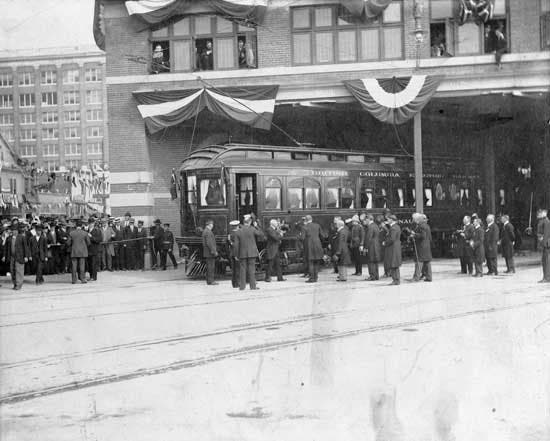
For those who use New Westminster Station on the regular, it’s a place you either pass through, you get off to see a movie, or you catch a bus from to go up the steep hills of the city is named for. However, it has a long history of being a terminus going back to the early 20th Century.
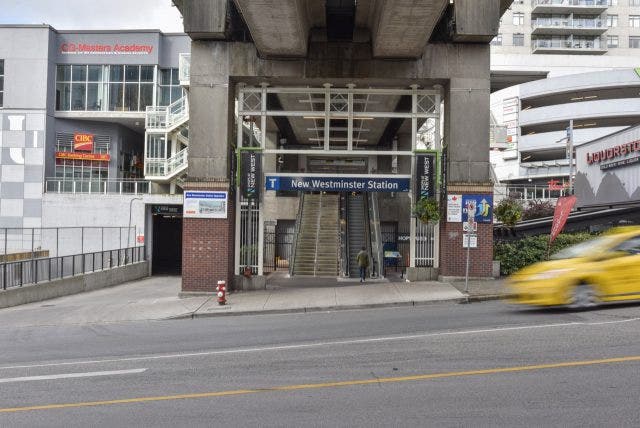
The original station building was located adjacent to the present-day station and is now a thrift store and office. It was opened in 1891 and sat directly next to the Canadian Pacific Railway’s station.

It was a terminus for the Burnaby Lake and Central Park BC Electric Railway (BCER) interurban lines plus provided through service for the Vancouver to Chilliwack service as well. Add on top the street cars that littered New Westminster and a connection to Richmond (Lulu Island) and also to Vancouver via the Marpole line, you find yourself with a major hub for railway services in the region.
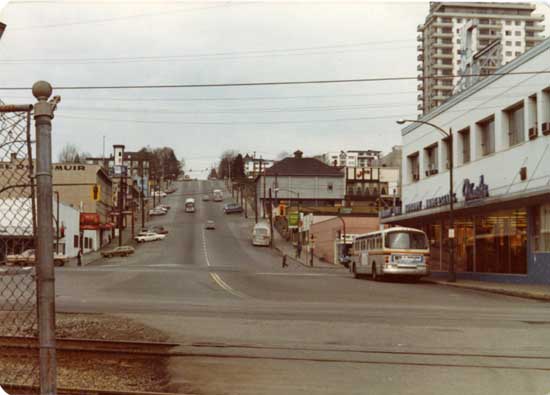
With the dissolution of passenger service provided by the BCER, New Westminster being a transportation hub in what was then Greater Vancouver came to an end. It became an area dominated by the car especially after the City of New Westminster opted to build a giant parkade on its waterfront in order to “revitalise” the area.
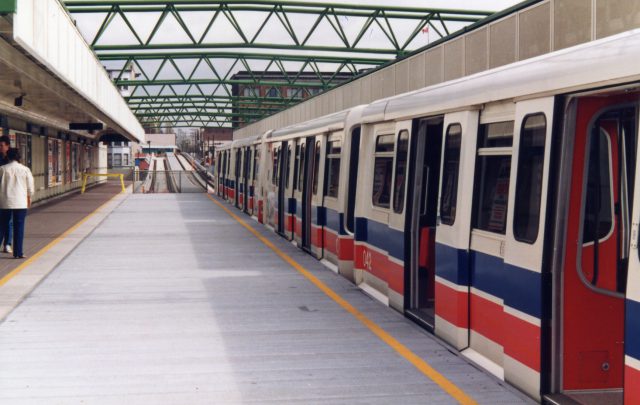
In 1985, New Westminster returned to being a transportation focal point with the opening of SkyTrain service and once again it became a terminus station. To facilitate it being a terminus station, half of the tracks were covered over with a temporary platform. This was because there was a planned extension to another station in the downtown area and then off to Surrey.
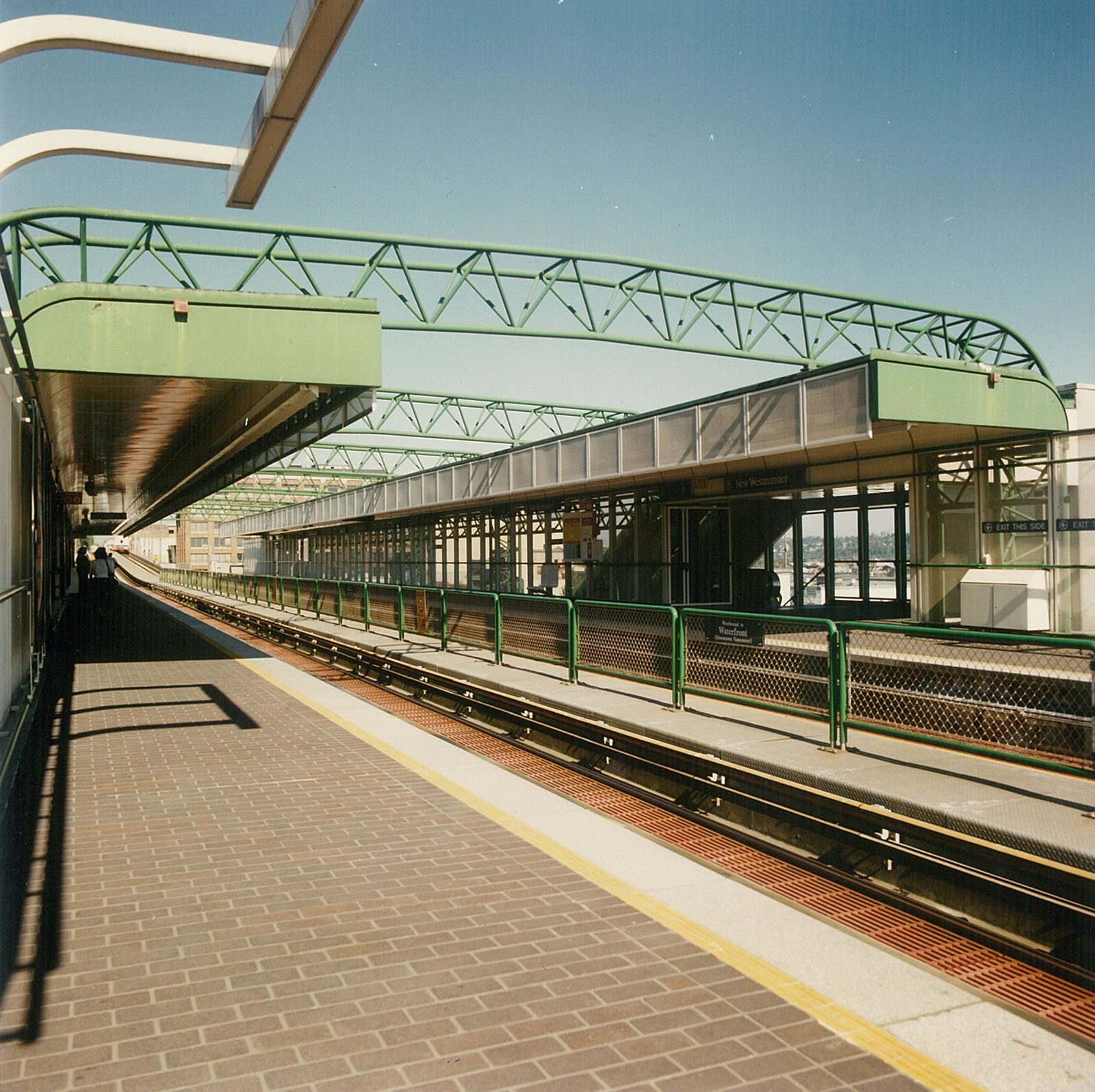
This station became important to New Westminster’s efforts to revitalise its downtown core and in the 2000s, it became a focal point for densification. The former grounds of a car dealership, a parking lot, and a retail complex were all to be used as part of turning the station into a hub for residences and shopping.
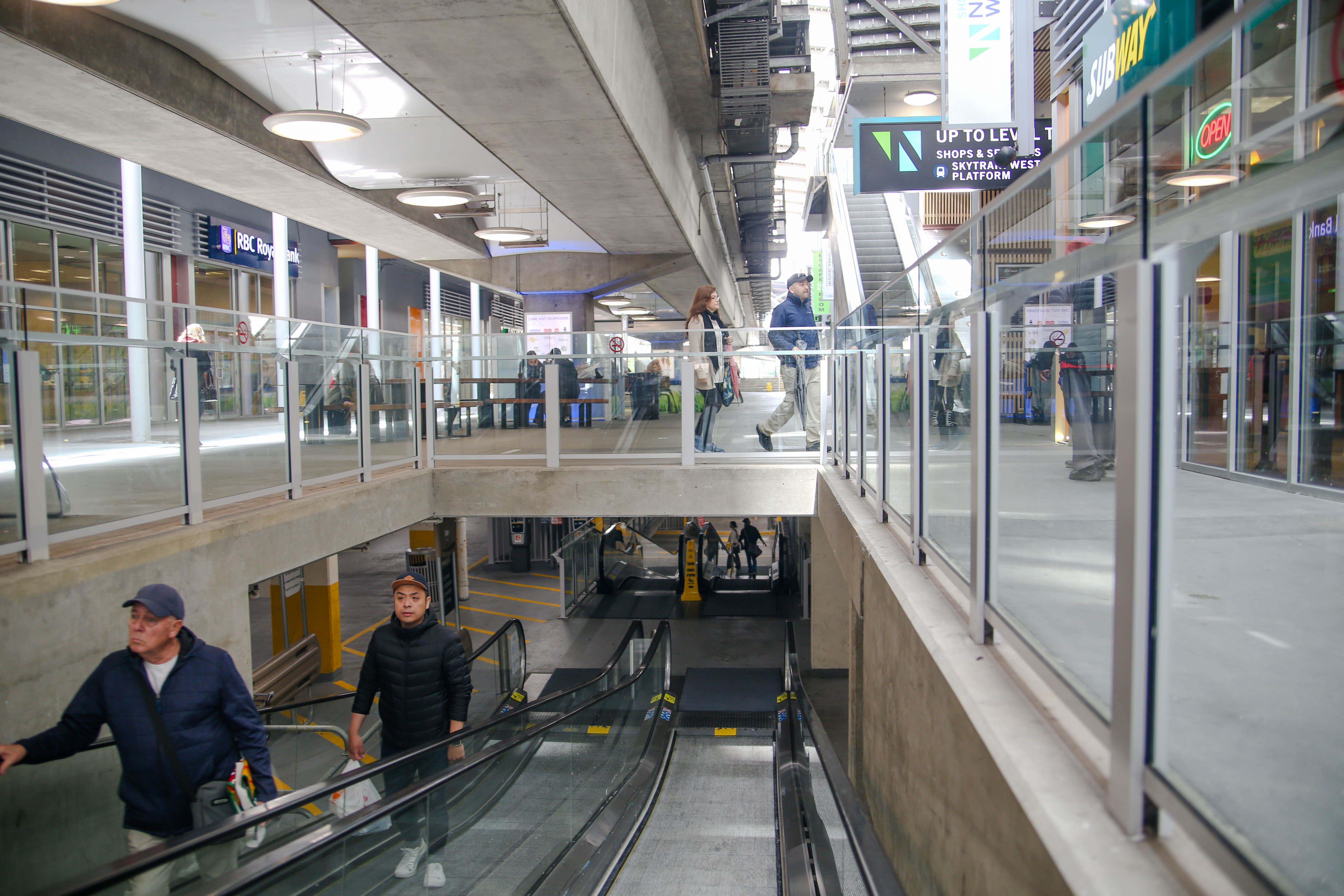
Today, New Westminster station is not only a hub for connections elsewhere in the city and beyond, but you can go there to get your groceries, eat a meal, and watch a movie. It even acts as an intermodal as a brief walk can take you to a ferry which connects downtown New Westminster with Queensborough.
Perhaps in the future it will be a connection to Vancouver via the old Marpole line?