Simon Fraser University's Gondola Makes Sense
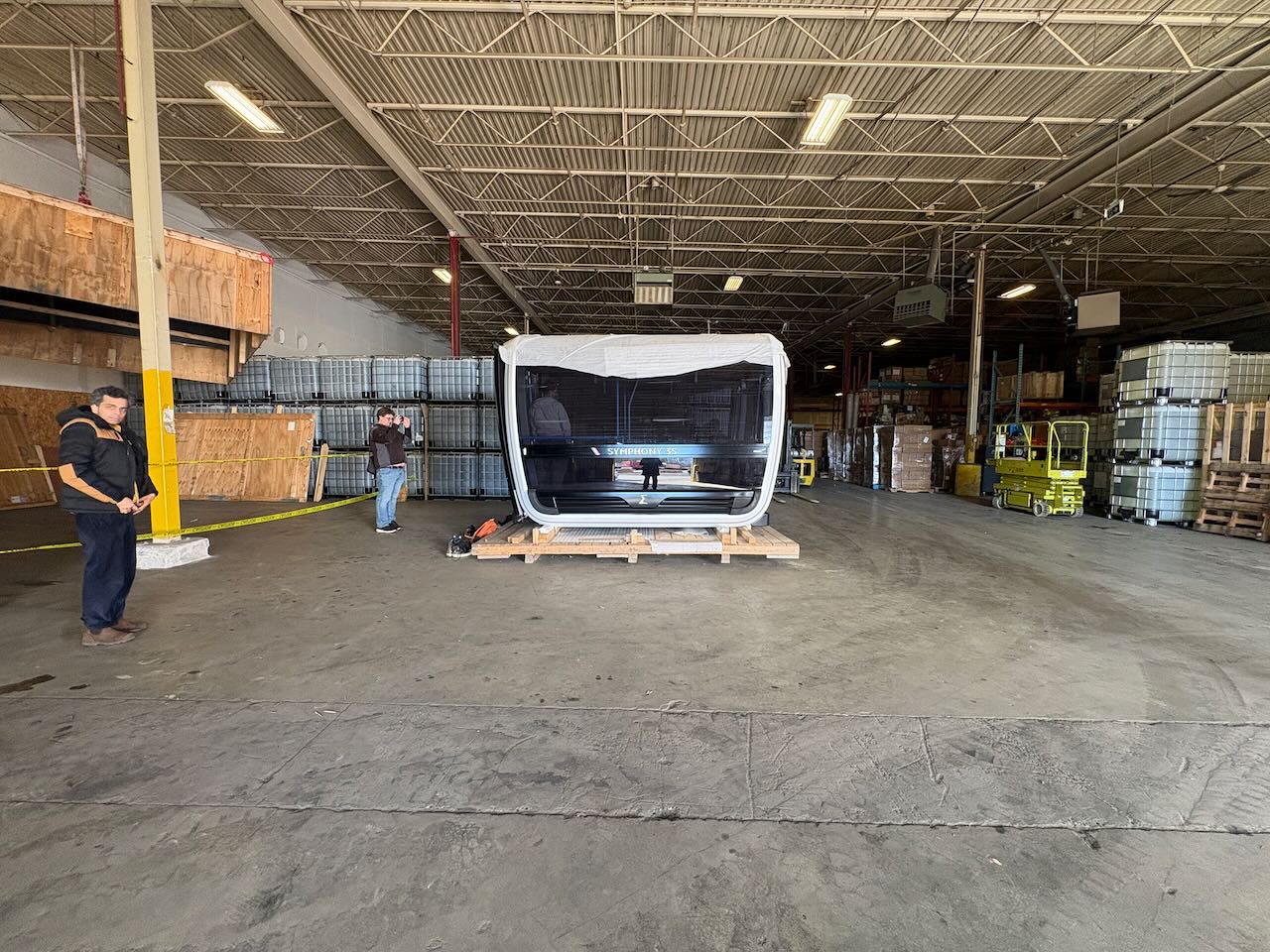
I had the opportunity as a donor for Movement to attend an event viewing what could be the future of transit for students, staff, and nearby residents of Simon Fraser University.
One of the key problems for SFU and the surrounding Univercity neighbourhood is that it is situated atop of a 370 metre-tall mountain. The university, first established in 1965, was built on a plateau on Burnaby Mountain at the request of its first chancellor, Gordon Shrum, who desired its location due to the land being cheap and also being not terribly far away from the rest of Metro Vancouver.
Since its inception, the university has been only accessible by road either by Burnaby Mountain Parkway from the western approach, connecting to Hastings Street towards Vancouver, or via Gaglardi Way, an expressway that connects from the south via Lougheed Highway. The latter road is named for Phil Gaglardi, former Minister of Highways best known for constantly getting speeding tickets and expanding the province’s highway network.
This has meant that your only option to get to the top has been via car or bus. For the approach from the west, the road is not as steep going from about 120 metres, but from the south it’s a different story. Much of the Millennium Line sits at slightly above sea level (47 metres) and SFU’s designated station (Production Way-University) is no different.
As a consequence, buses are required to go from the bus loop to the very top on ten minute intervals at peak time. At crush capacity, they’re ferrying usually a hundred or so passengers although I have read that it has reached as high as 140–the bus route number itself (145) is kind of a hint of what it could do I guess.
One of the jokes I’ve heard about this route is that this is where buses go to die. The transmission is taking a serious hammering as it carries its own weight plus the weight of its passengers. Up and down it goes day in and day out with only a respite given for weekends, holidays, reading breaks, or service on a much gentler route.
So what is the alternative? A SkyTrain spur up the hill is out of the question as it would have to be almost two kilometres longer than the bus because you’d need a gradient that a train will like.
Trains do not like hills and so for them to make a journey up one, it has to be a slope that will permit adequate adherence. For it to also have little environmental impact, it would require much in the way of tunnelling and thus will become expensive quite quickly.
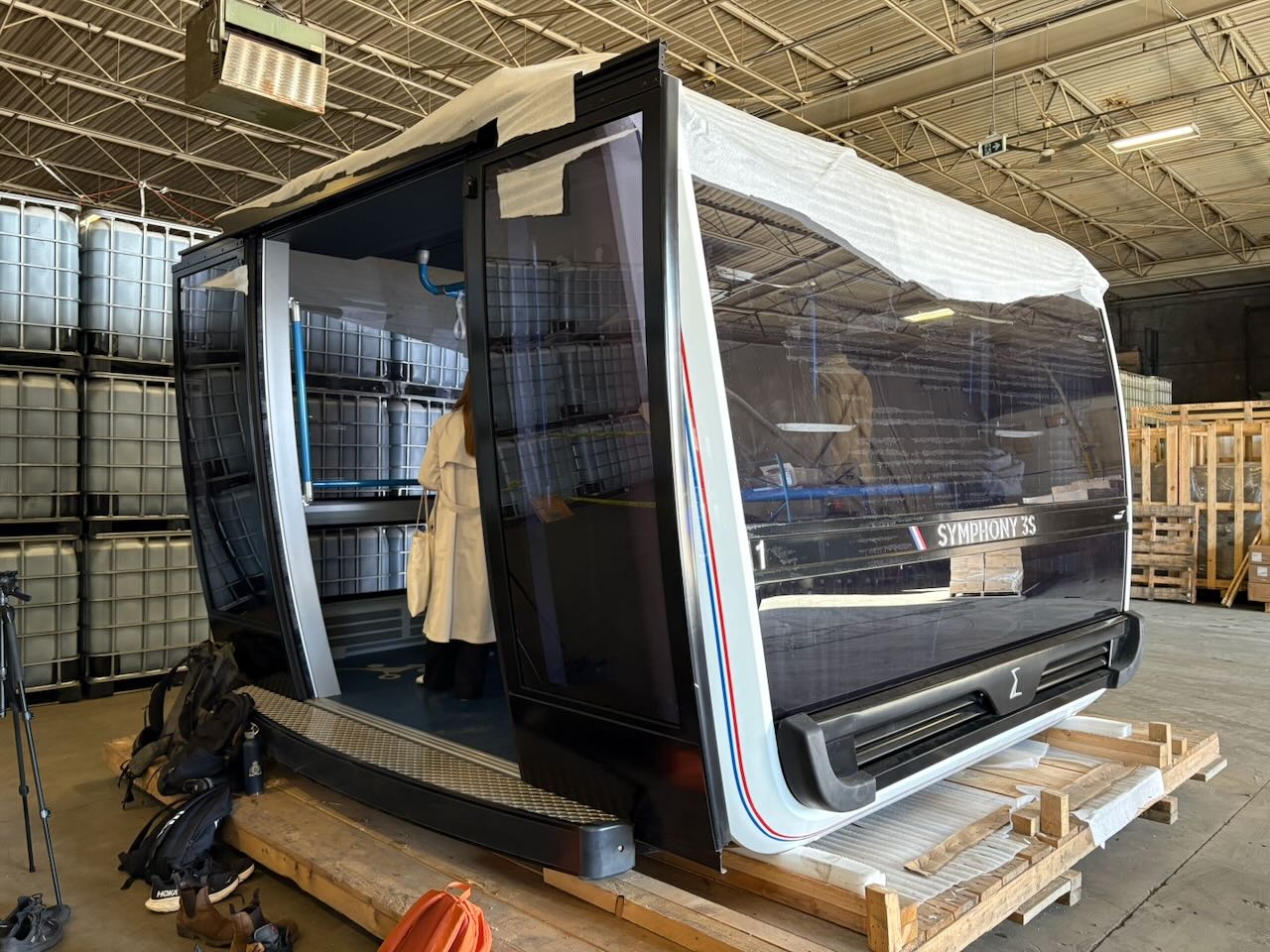
TransLink’s answer is to take inspiration from the likes of one of Vancouver’s favourite winter activities: skiing.
The transit agency has been discussing a gondola proposal for a number of years, but it would not be the first to implement it as rapid transit. In 2004, Medelin, Colombia opened its first line of its Metrocable service and most recently in 2025, Paris opened its first line, Câble 1. These systems have proven to be quite reliable and inexpensive for either built-up areas or areas with geography much like ours.
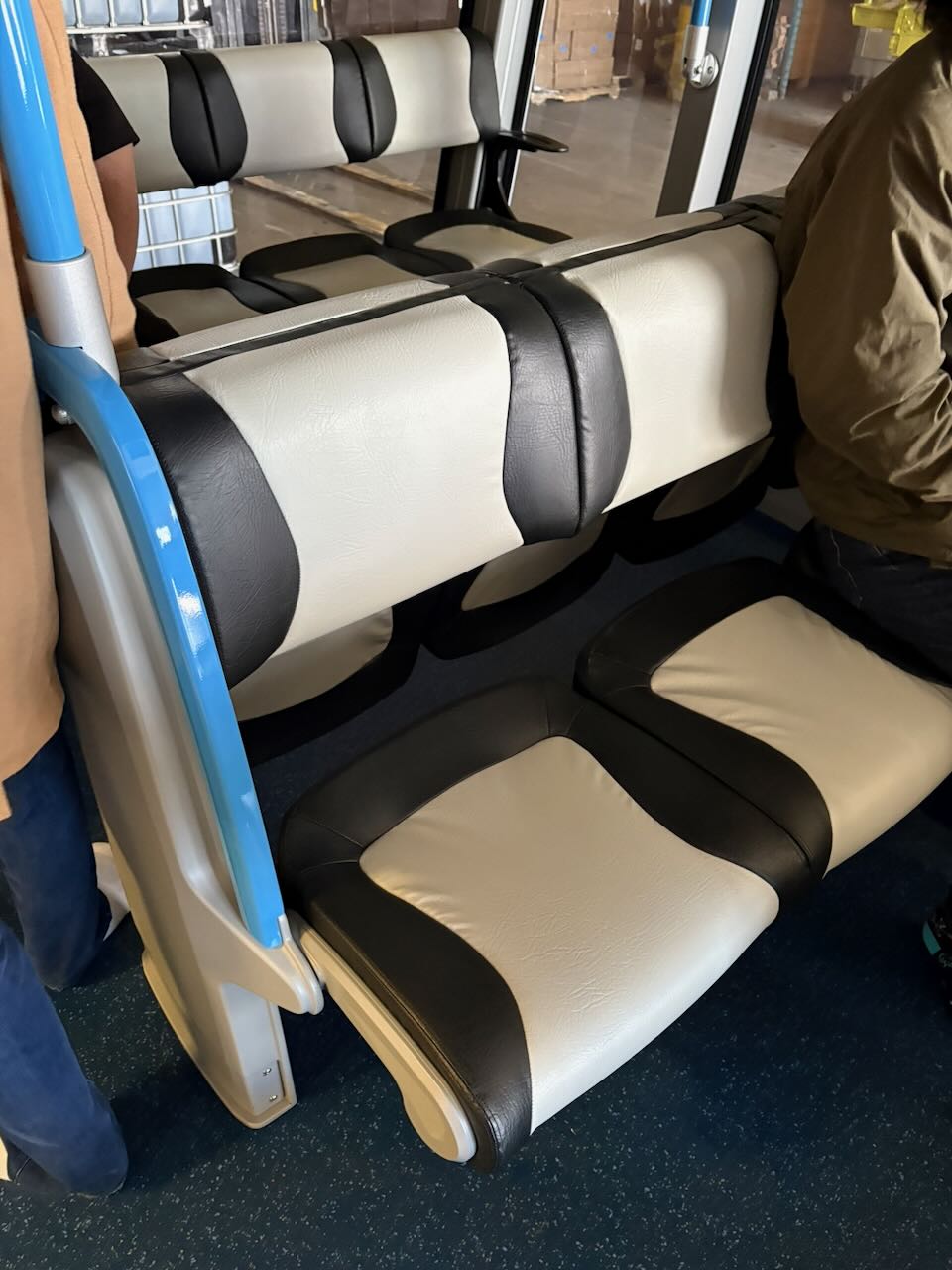
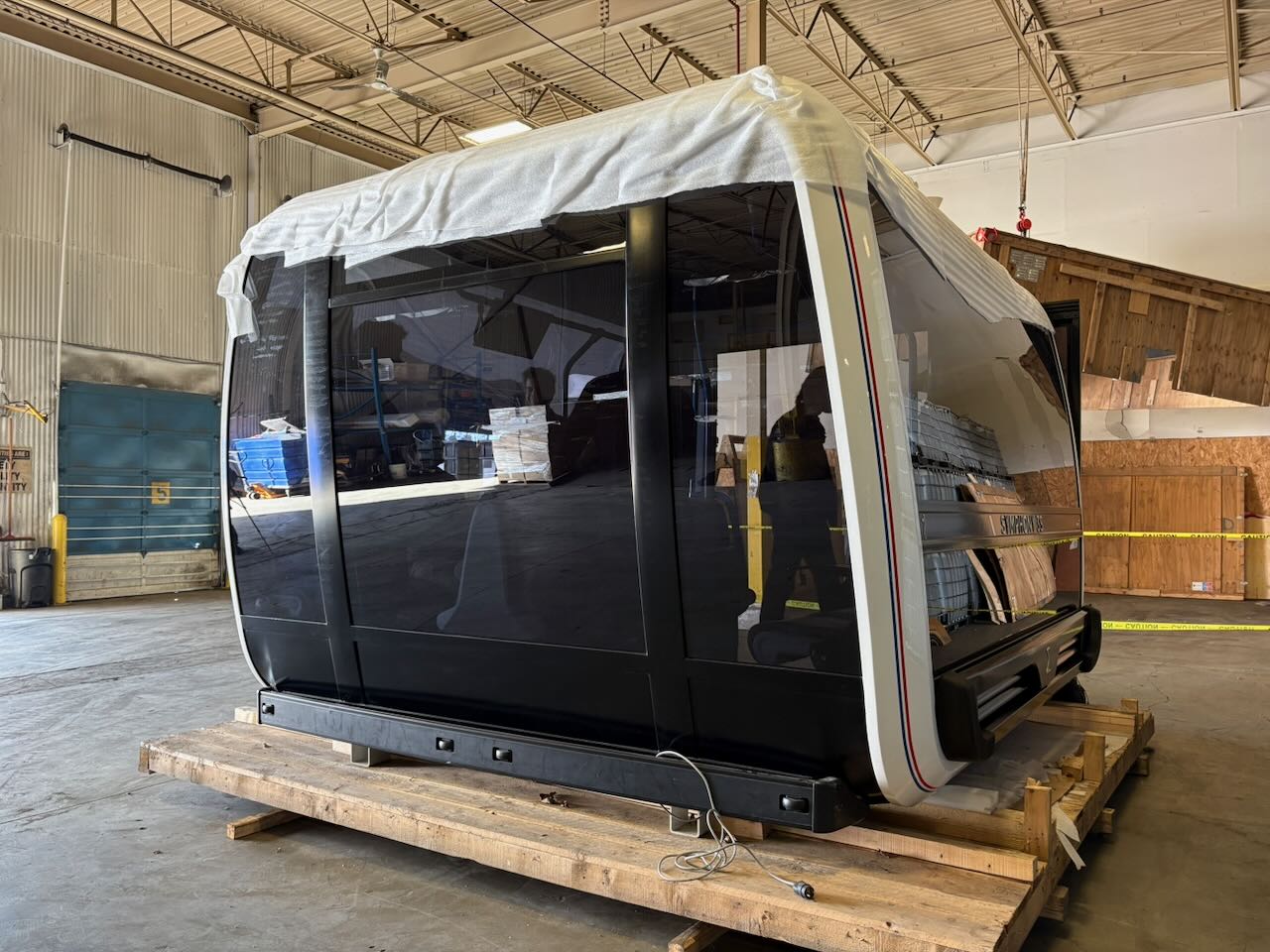
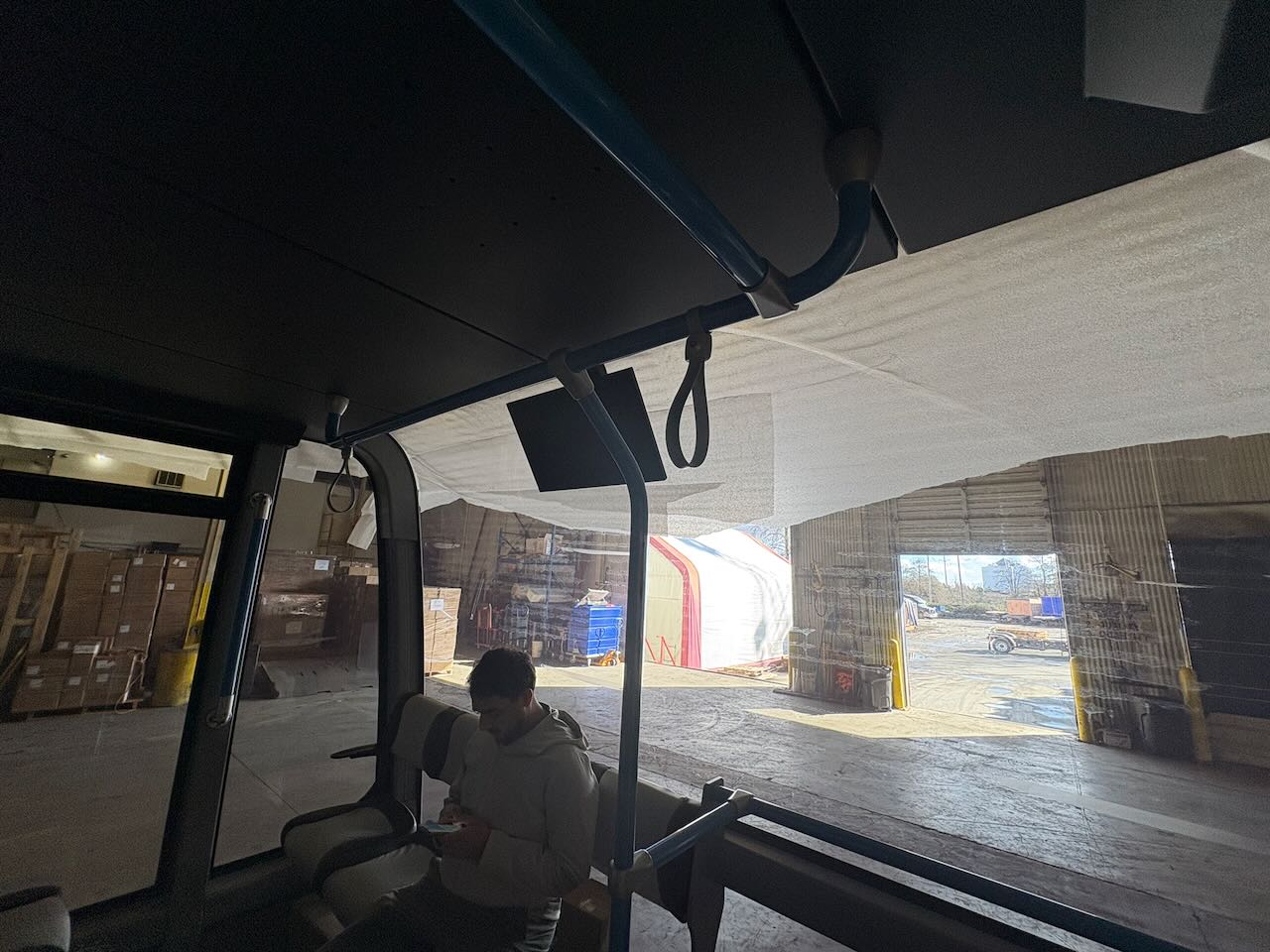
This gondola used for demonstration purposes could very well be the sort we end up using. It has room for 32 people and the recommended route implies that were would be seven cars in either direction.
With a three minute trip each way at 30 KM/h, each car would be doing ten round trips each hour and move well over two thousand people up the hill during that time. This would be regardless of weather conditions or time of day as the gondolas would always be at a fixed capacity all day, every day.
Additionally, it would be approximately twice the capacity of any bus made available by TransLink and also take a quarter of the time to get either up or down.
One of the other problems with the hill is that it’s subject to adverse weather–in particular wind and snow. It’s a no brainer that snow would have no affect on these sort of vehicles due to their use with mountains in and around Metro Vancouver. However, it was suprising for me to learn that the type of system TransLink is aiming for would be able to handle the severe winds that we get in the city during late autumn and early winter.
A story I often cite is my having to be asked to leave SFU’s library not because of my own behaviour but because if I wanted to get home, I’d have to leave now due to the buses being forced to cease activity up and down due to snow. In the process of taking that very last bus, the articulation and the slippery conditions caused it to jackknife. This is something that couldn’t happen with a gondola.
I guess this then brings up an important topic: safety.
In both 2019 and 2020, a nearby gondola in Squamish had its cable cut. While in neither incident was anyone killed as the gondola was not in service, the 2020 incident almost resulted in the injury of a security guard.
However, I have been informed that this is a single cable system and TransLink is looking at a triple one, meaning that the difficulty in inflicting this sort of vandalism would be high. Also, unlike Squamish, Burnaby is not in a rural area and it would be much easier to both secure and monitor for any sort of undesired activity in places where one may have access out of sight.
What is next for TransLink then?
Funding for the gondola is still up in the air–pun intended. The business case has been made and it has been suggested that perhaps this year or next, the project will finally be announced as going ahead. I for one want to see it built. Perhaps with its success, we’ll see similar systems elsewhere in Metro Vancouver.