Gauging SkyTrain between the Canada Line and the Expo and Millennium Lines
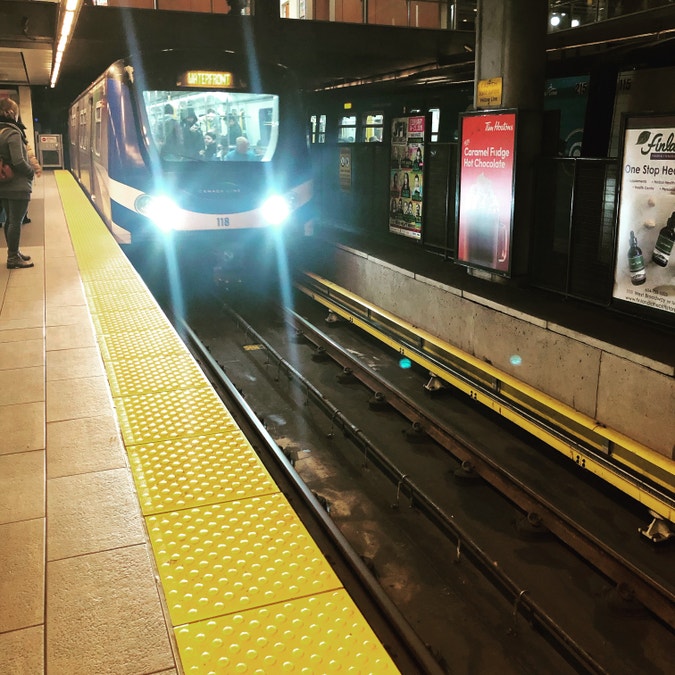
One of the most important aspects of a railway is the standardization of the railway itself. Trains have to fit the platforms they pick up passengers from and they must also be able to successfully roll along the rails it sits atop of. This is called gauge and we have two different sets of the measurement to work with.
A weird question came to mind: could an Expo or Millennium Line train fit on the Canada Line? How about vice-versa? Let’s talk about this.
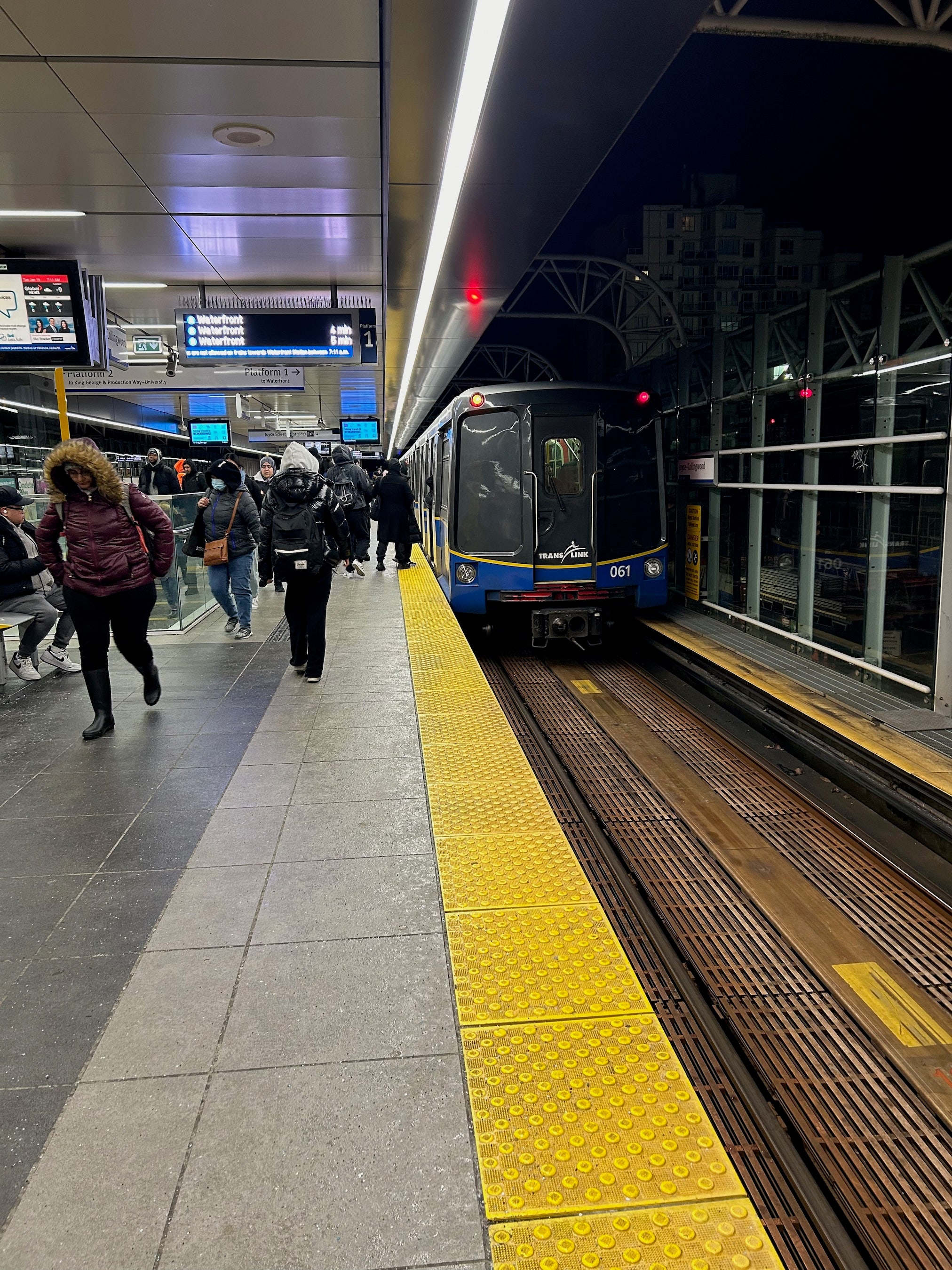
Firstly, let’s get the elephant in the room out of the way. There is no way for any Expo or Millennium Line train to independently function on the Canada Line. The propulsion technology used on the two lines requires the centre rail in order to propel itself along the rails. However, the rails themselves would permit the trains to fit and roll along.
All three of the lines use the same rail gauge. Rail gauge simply dictates the distance between the two rails and in the case of the SkyTrain system, it’s 1,435 mm or 4 feet and 8.5 inches–everybody calls this “standard gauge”. This gauge is used all over the world and is the same for railways operated by CN and CPKC, the entirety of the National Rail system in the United Kingdom, and virtually every railway in mainland Europe save for non-high speed railways in Spain, Finland, and some railways of former Soviet bloc countries.
If someone were able to bring a Mark I rolling stock on to the Canada Line, they would be able to pull the cars along the rails with very little resistance. However, one glaring problem would appear: the trains are smaller. This is where the second gauge comes into play: load.
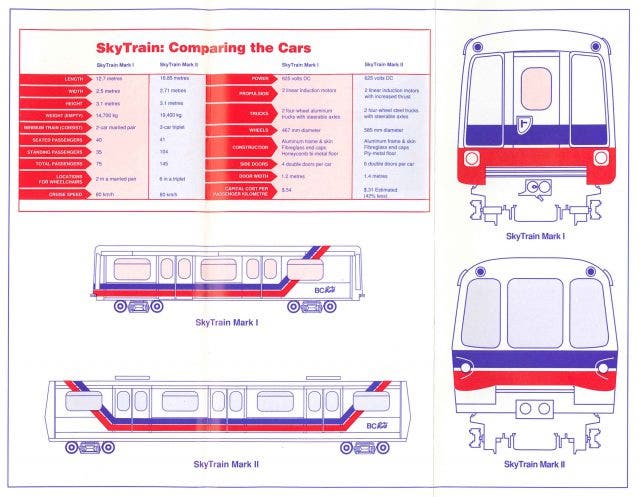
The Mark I trains are smaller than their Hyundai Rotem cousins. How much smaller? About almost a half-metre smaller at its width (a Mark II is 2.5m wide and a Rotem is 3) and the platform height on the Canada Line is 25 cm taller (100 cm vs 75 cm). Some Mark II and III trains have run into problems where they’re 2-3 cm too tall which is a huge problem for accessibility, but a full quarter metre difference would be egregious.
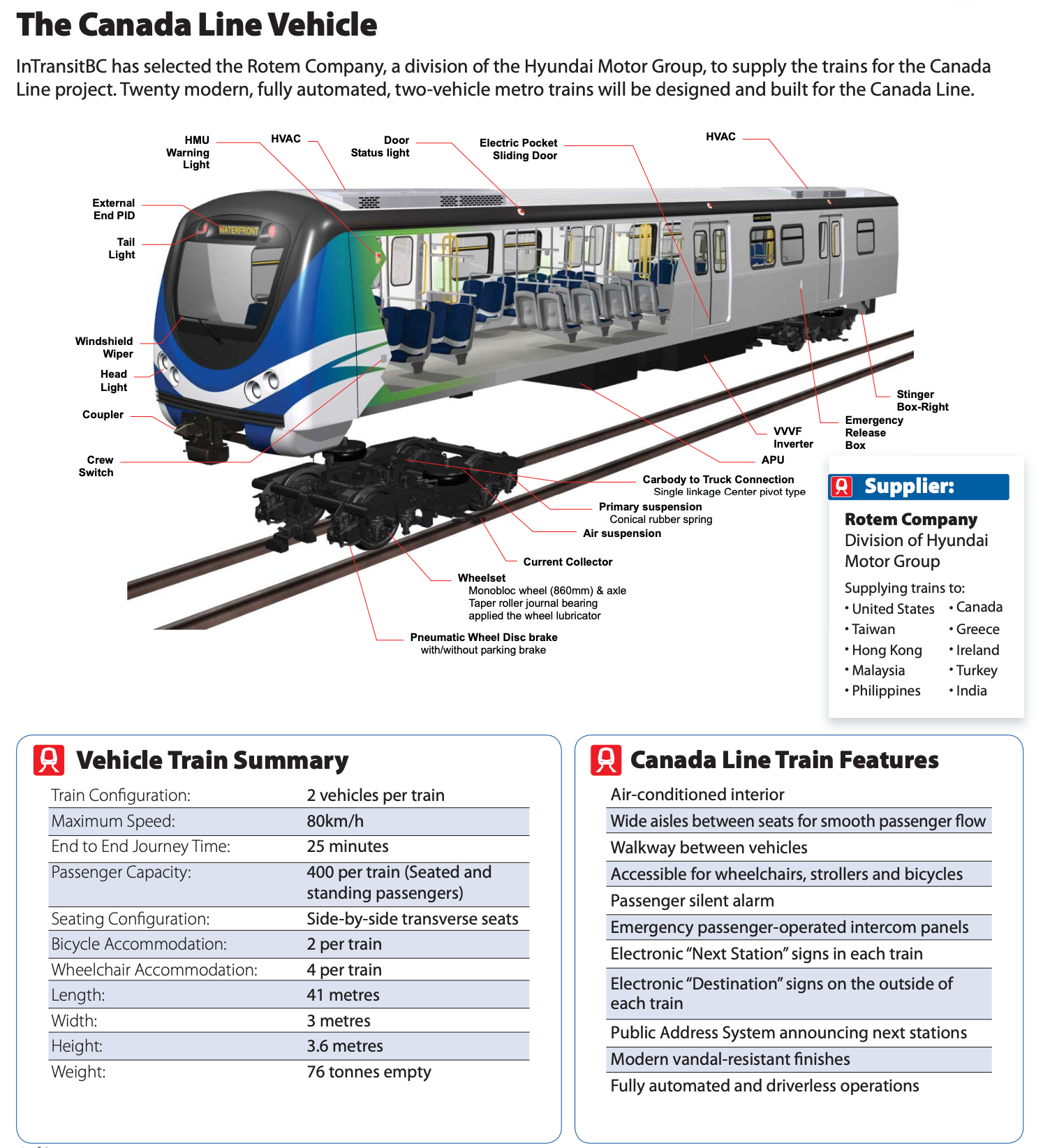
So this leads us into the obvious problem with the inverse: the Canada Line trains would fit on the rails but that would be about it. They’d all quite violently clip the platforms if they could power themselves.
And then this finally leads us to this: the power is completely different between the two systems too. The voltage is 700 VDC (volts direct current) on the Canada Line and 625 VDC for the other two. Multi-voltage trains are very common, but it won’t matter here anyway since the way power is handled by the trains is radically different.
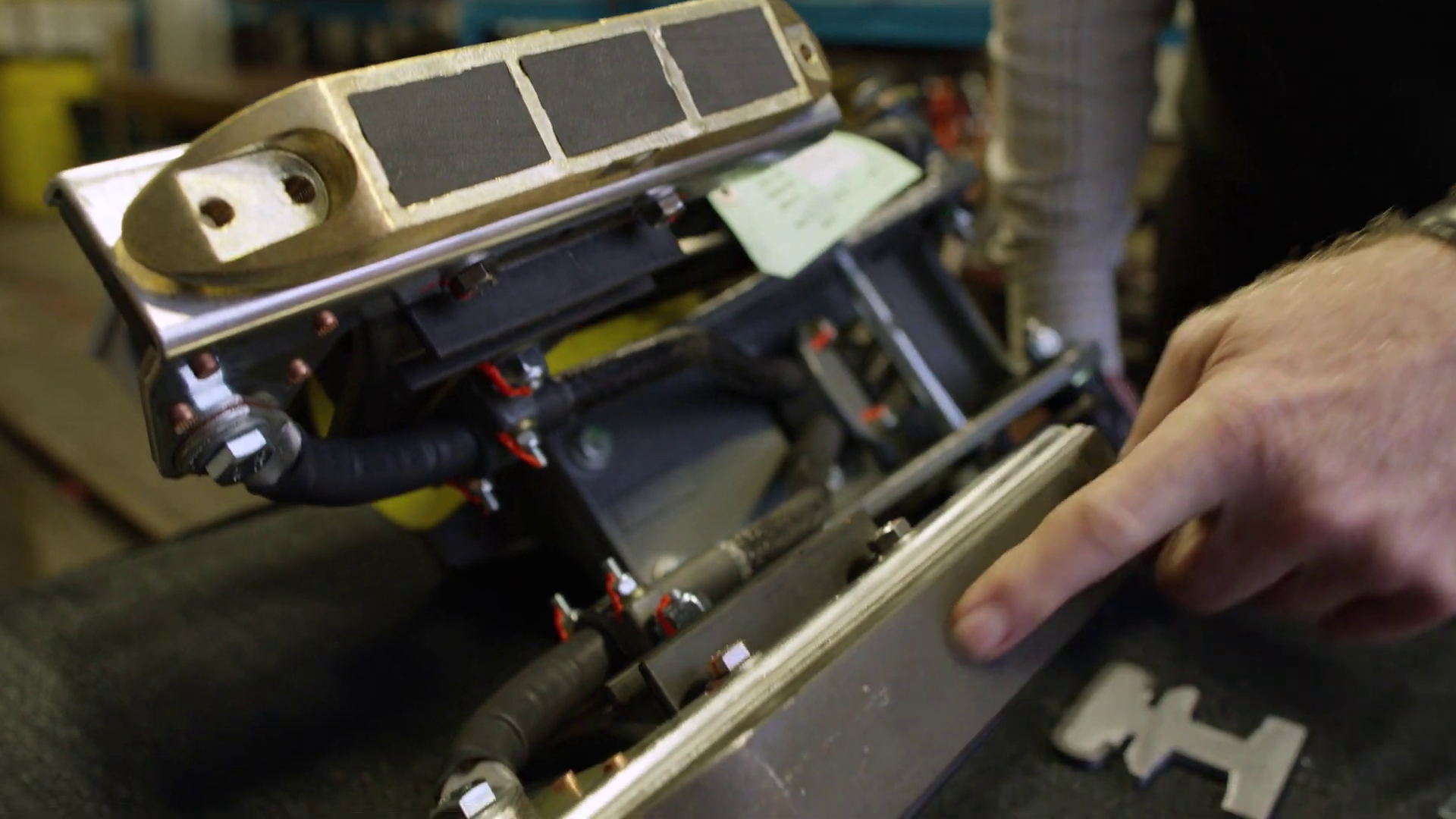
On the Expo and Millennium Lines, power is fed by two rails mounted on the side. One rail is to supply power and the other is to return power. This is all to provide a circuit so the trains can operate.

The Canada Line is different: there is a third rail but it is mounted downwards as opposed to the side and it’s just a single rail with return power provided through the rails itself. I have had a railway engineer complain to me about this design, but I barely understood the actual problem with it other than it makes maintenance a bit of a pain.
That is how radically different the systems are from each other.