This was the first SkyTrain car
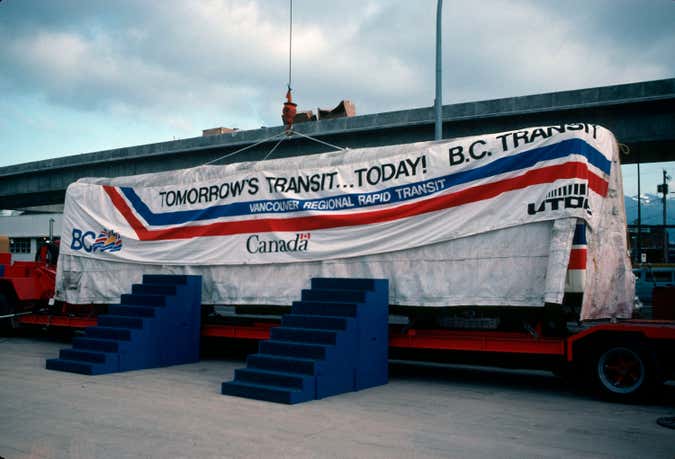
As we are now in the midst of the end of life for SkyTrain’s Mark I train sets, I want to make a small confession: I am not fond of them. Sure. They’re historically important to Metro Vancouver and have made a huge contribution to improving the quality of life within the region, but I just simply don’t like riding them.
My complaint is really petty: they’re technologically advanced at their debut, but when you look at the significant improvements the trains in later generations brought, I really have a hard time caring to ride them on the regular.
Despite their iconic sound that I do happen to enjoy, they’re otherwise loud and during the summer extremely uncomfortable due to a lack of air conditioning. They also do not have the smoothest ride at their top speed. I really lament seeing one of these trains show up when they arrive.
If this upsets you, I am sorry, but this is one woman’s opinion and you’re welcome to think she’s wrong. However, if you think that they’re the first generation of SkyTrain cars, I am going to tell you that you’re mistaken and that they’re technically the second.
Let me explain
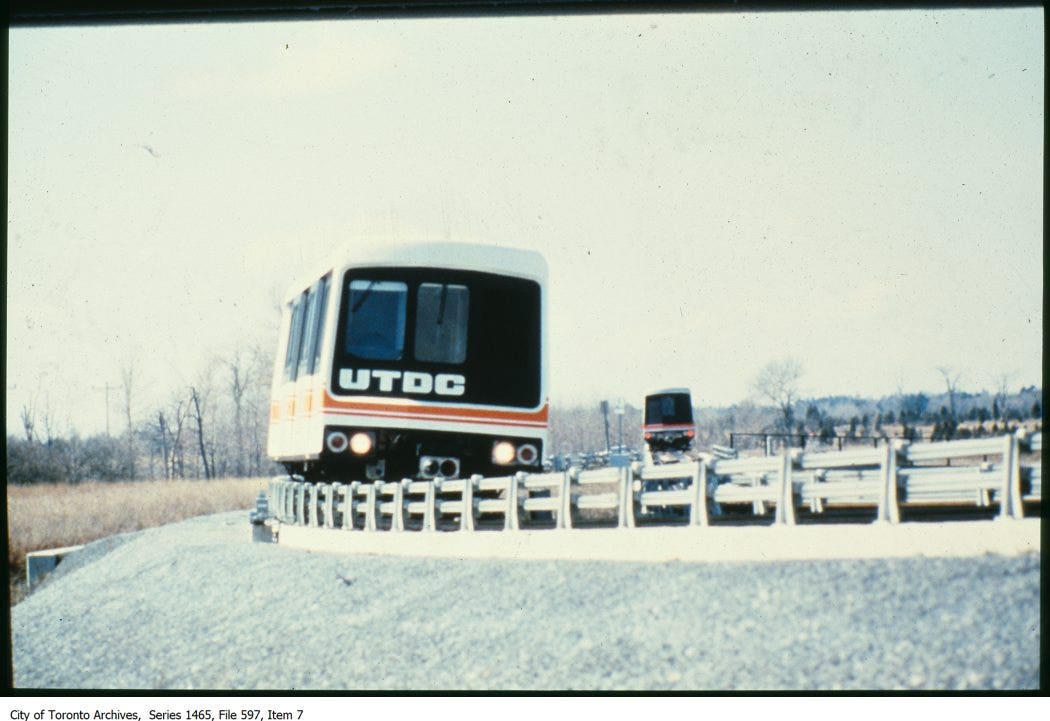
The origin of the SkyTrain system starts in Ontario. The Urban Transportation Development Corporation (UTDC) developed the Intermediate Capacity Transit System (ICTS) and were looking to sell.
The government in charge in British Columbia at the time expressed interest and after watching them operate through the test track in Kingston, Ontario, they agreed to build a system with an initial test track of BC’s own extending from a station built at Terminal and Main in Vancouver to about Cattrell Street, just over a kilometre east.
Free rides were offered to the public from what eventually became Main Street-Science World Station to a dead-end towards the east with the trains travelling the tracks hovering over Terminal Ave to their very end and then backtracking (no pun intended). The point was to show the public the technology and get people onboard with having rail transit after it being absent for two and a half decades.
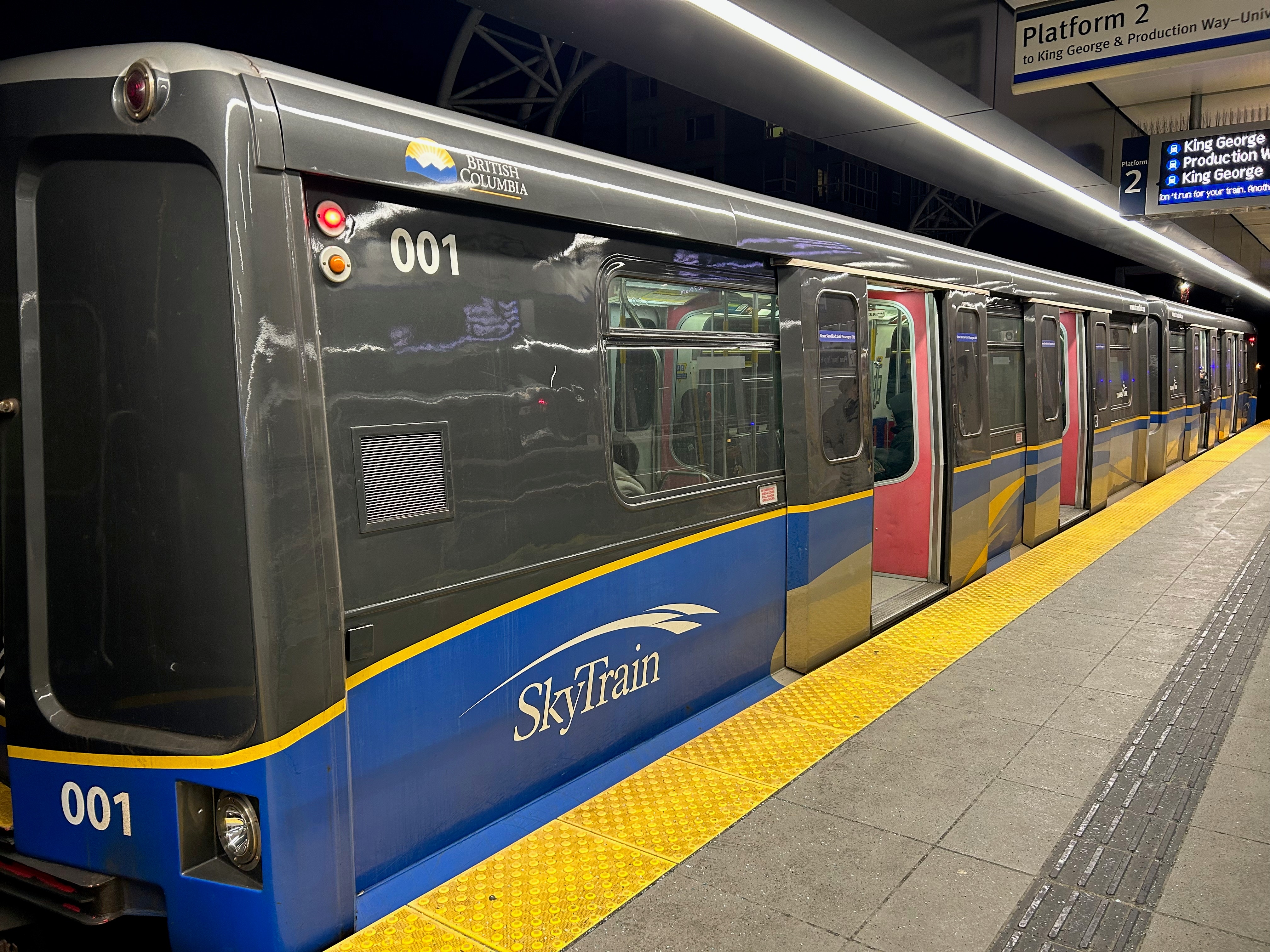
The thing about the trains used on these tracks is that while they were the first to arrive in Vancouver and were branded in the original BC Social Credit-style livery, they were not trains 001-002 as seen above. The current 001-002 set you see on the SkyTrain network today are actually the second set to be delivered to Vancouver.
So what happened to the original set then?
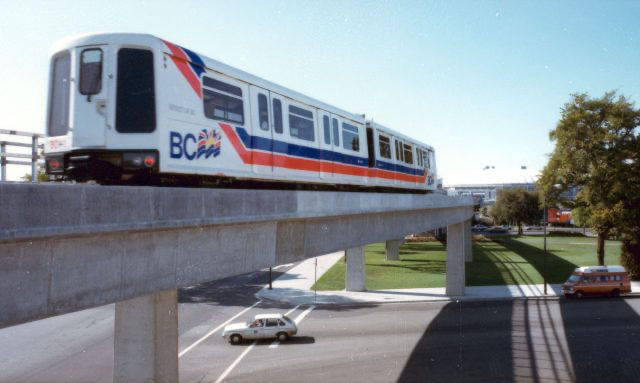
One thing that you may notice in the above photo is that its numbered as BC1 instead of 001. Another thing you can catch are a completely different indicator lights.
That is right. It’s a completely different train.
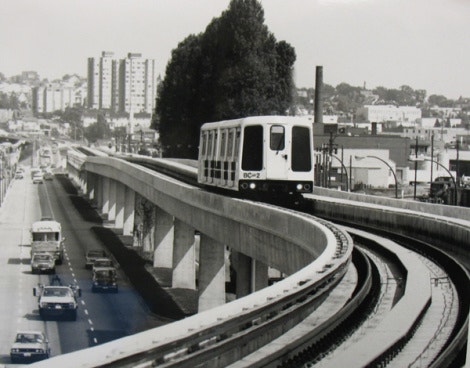
The BC1-BC2 set was only running on the SkyTrain track for the summer of 1983. Once the demonstration period was over, the train set was sent back to Ontario and all branding was removed. The delivery of what we would eventually call the Mark I came with different trains which featured different lights and seating arrangements.
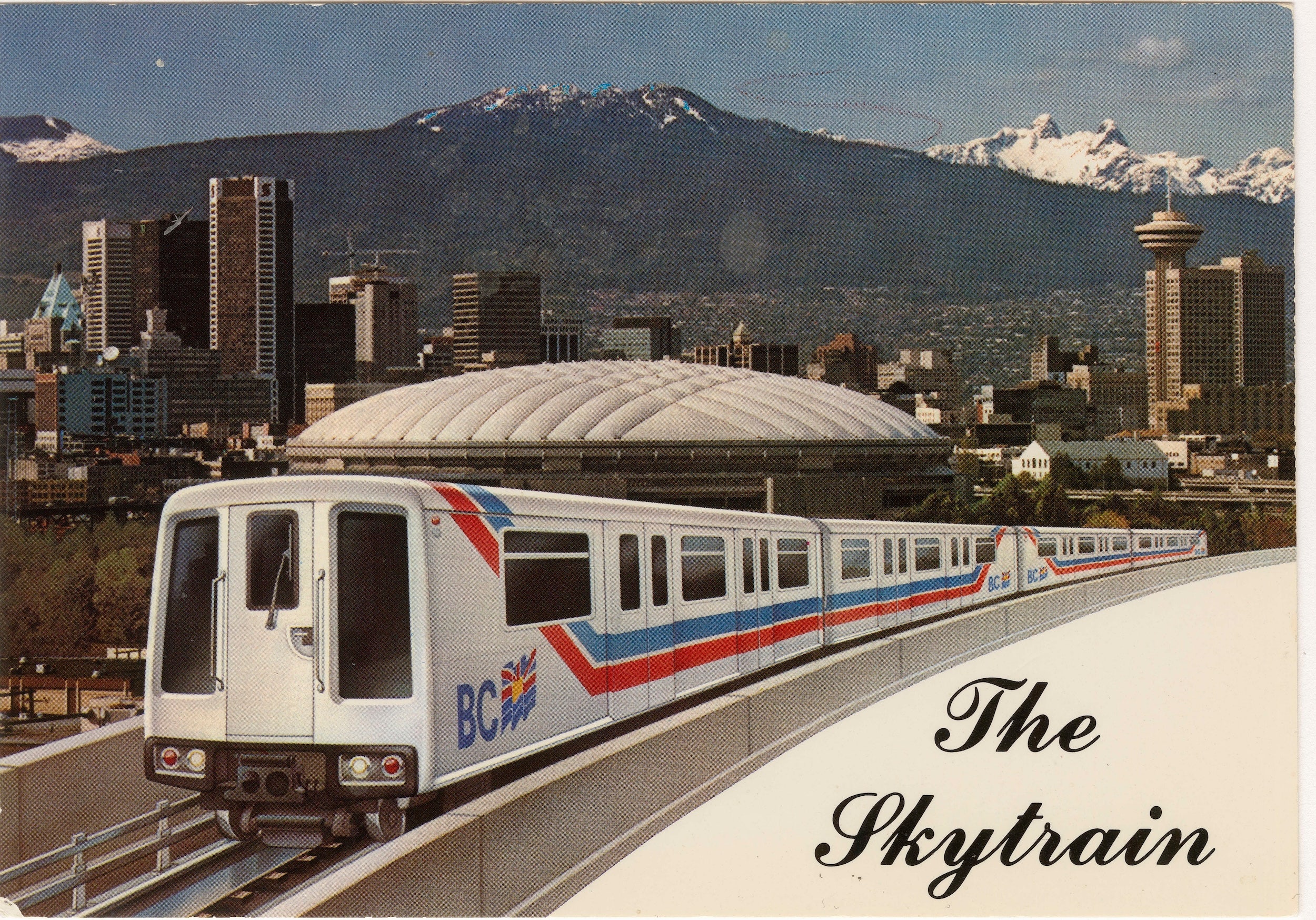
This train set was used heavily in anything showing off the train and yet it wasn’t ever meant to be a permanent resident of the SkyTrain system.
However, it did not mean it was a goodbye when it left back to its home.
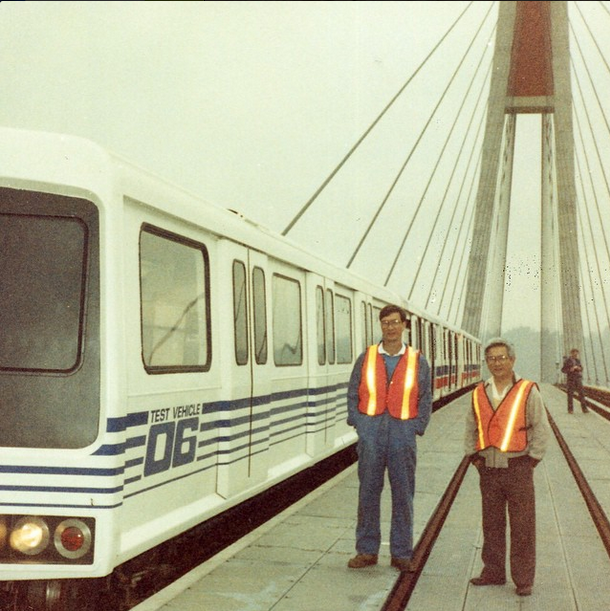
It is my understanding that one of the cars from the BC1-BC2 train set returned to Metro Vancouver as TV06. The car was lengthened, given an extra door, and was tested briefly on what is now the Expo Line around 1991.
For whatever reason, TV06 never materialised as a model for the 1996 order of sets, but the 2001 order of the Mark II trains made that irrelevant anyway.
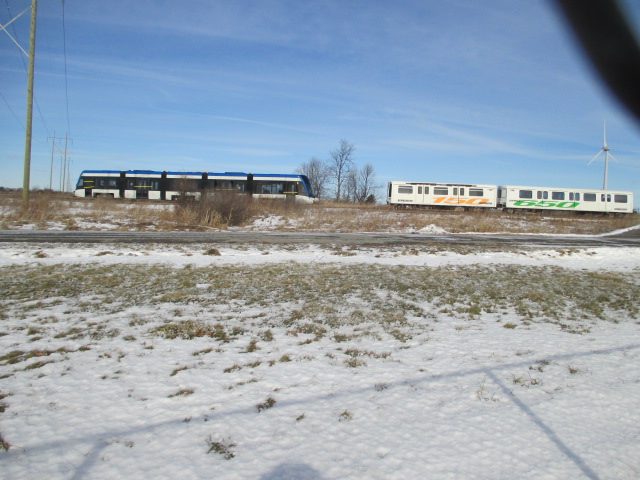
If you go out to Alstom’s (formerly Bombardier, formerly UTDC) plant in Kingston, Ontario, you can still see TV06 and the original BC1 train in a different livery floating about the test track.
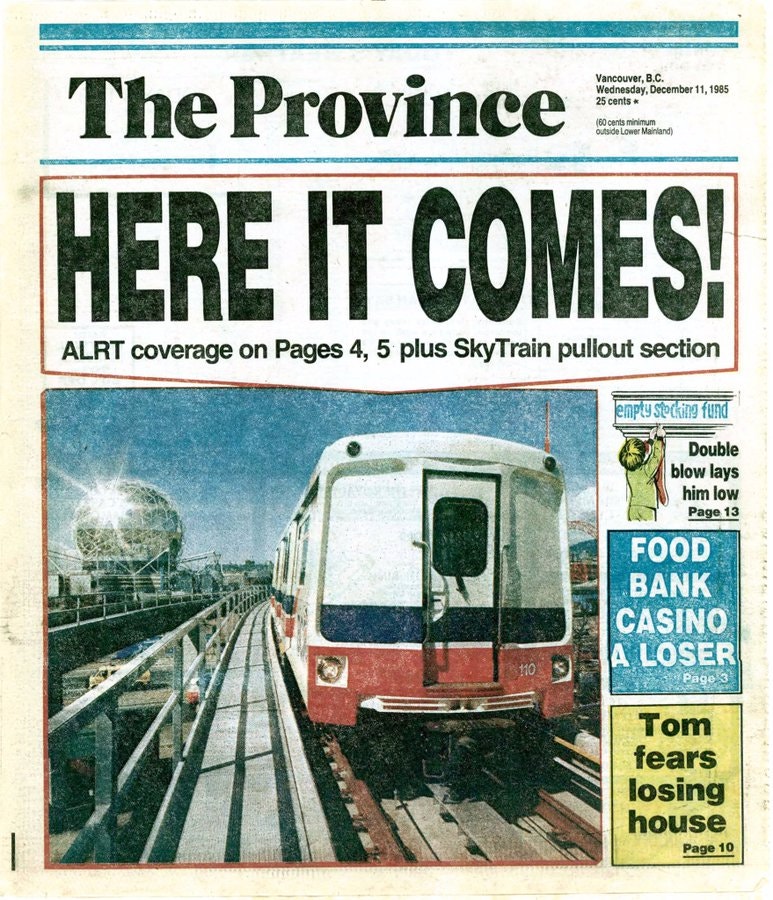
Fortunately when the SkyTrain did launch, the media used photos of actual trains the system were to use, but somehow still mixed up “ALRT” and “SkyTrain” when referring to it. One day I should look into and talk about how these terms were used interchangeably.