Our first en-masse scrapped trains
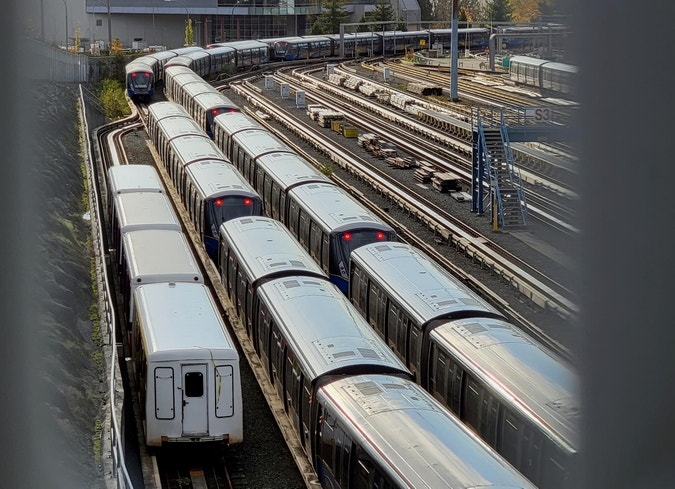
Recently, I learnt that train pairs 133-134 and 143-144 were sent to the scrap yard during the autumn of 2023–the first pair were retired in 2020. These trains mark the beginning of the retirement of the original Mark I SkyTrain vehicles to be replaced by the Mark V, which are presently being delivered through into 2027.
The interesting part of the retirement of these trains is that they were not part of the original 1985 sets. Trains 133-134 were delivered as part of the 1991 order and 143-144 as part of the 1996 set.
I read that the reason 133-134 were retired was due to them being in a state of irreparability, meaning that it wasn’t economical to continue the operation of these trains. Neither of these sets received a new splash of paint or upgrades as part of the fleet overhaul from a few years ago.
If you’re wondering, some of these trains did have names. 133-134 had the names “Spirit of Peace River” and “Spirt of Zeballos” respectively. The other set did not as none in that order never received any. At some point I should write about the topic of names behind some of the SkyTrain vehicles..
However, while we are retiring these trains in favour of new ones, I want to touch on a subject about when we did retire trains to the scrapyard with nothing in kind or better to take their place.
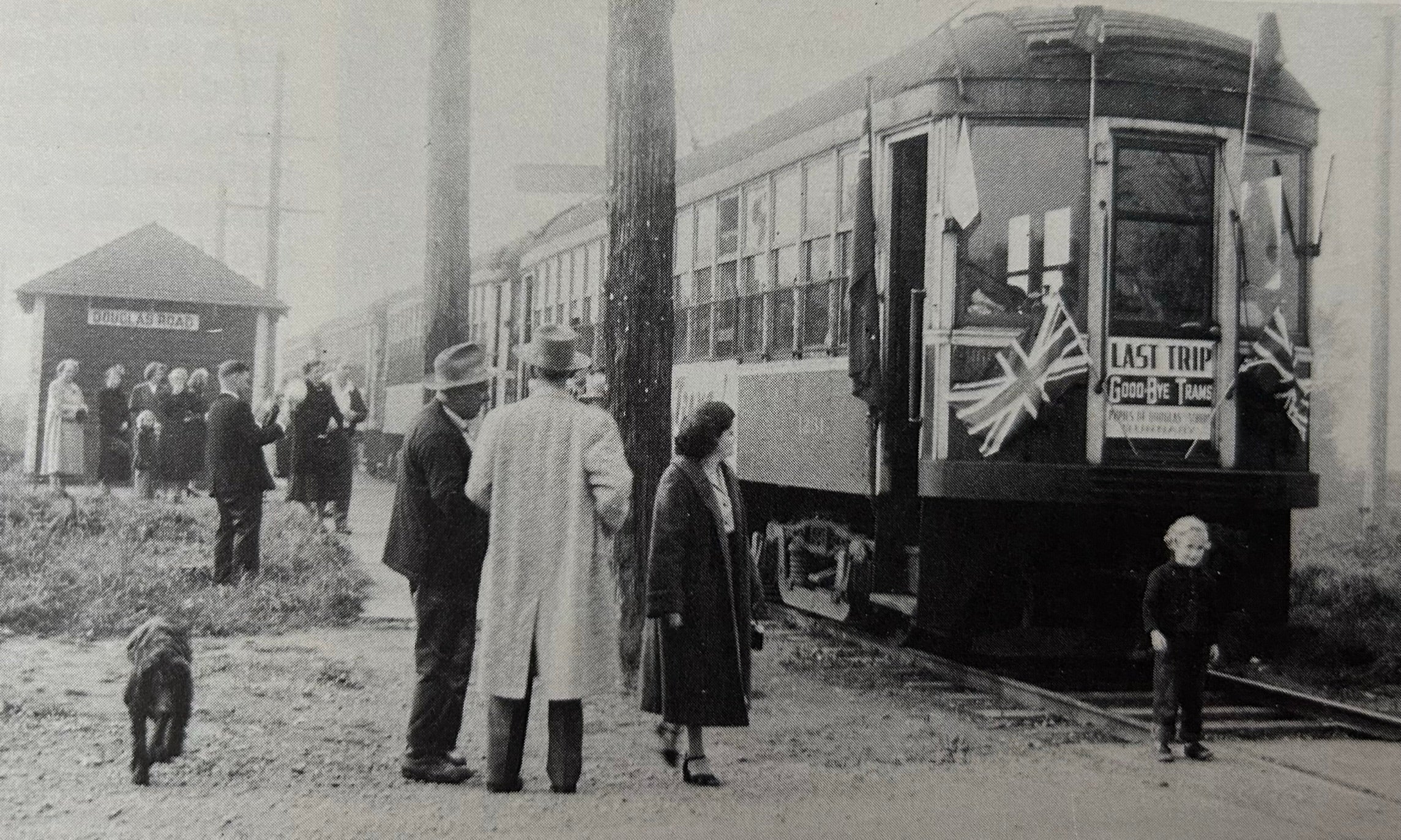
As I have written about before, the BC Electric Company retired its interurban and tram lines during the 1950s. This was part of its rail to rubber initiative to replace all rail service operated by the BCER with either diesel or electric trolley buses.
So what became of the retired trains?
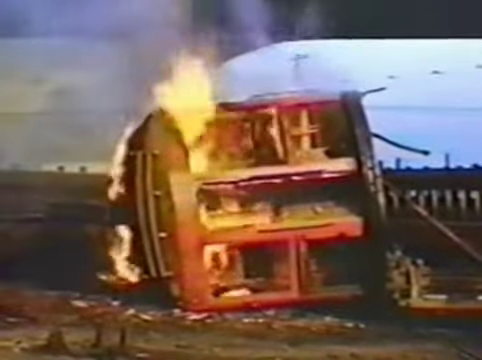
Unfortunately many of the trains were scrapped in the most environmentally-sound way possible for the 1950s; stack them atop of each other under the Burrard Street Bridge and set them ablaze. Some did not suffer this fate but were repurposed into housing and storage. The tiny home craze started in the 1950s, not the 2010s.
Of the trams and interurbans which were scrapped, only so many were saved.
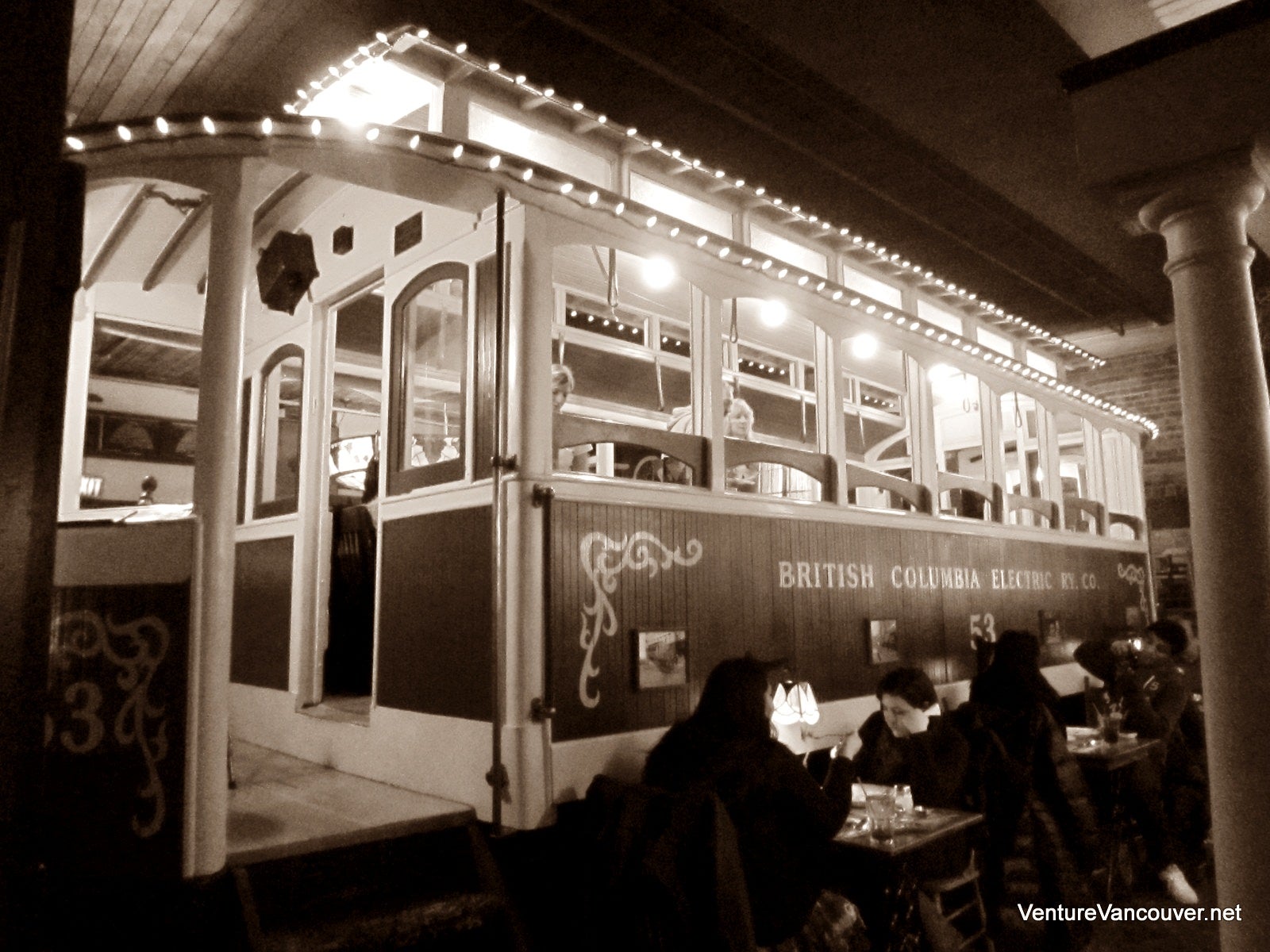
Three of the trams survived with one of them going to a museum in North Vancouver, another to a tramway society in Nelson (located in the British Columbian interior), and a third one is in Gastown at a factory that serves spaghetti.
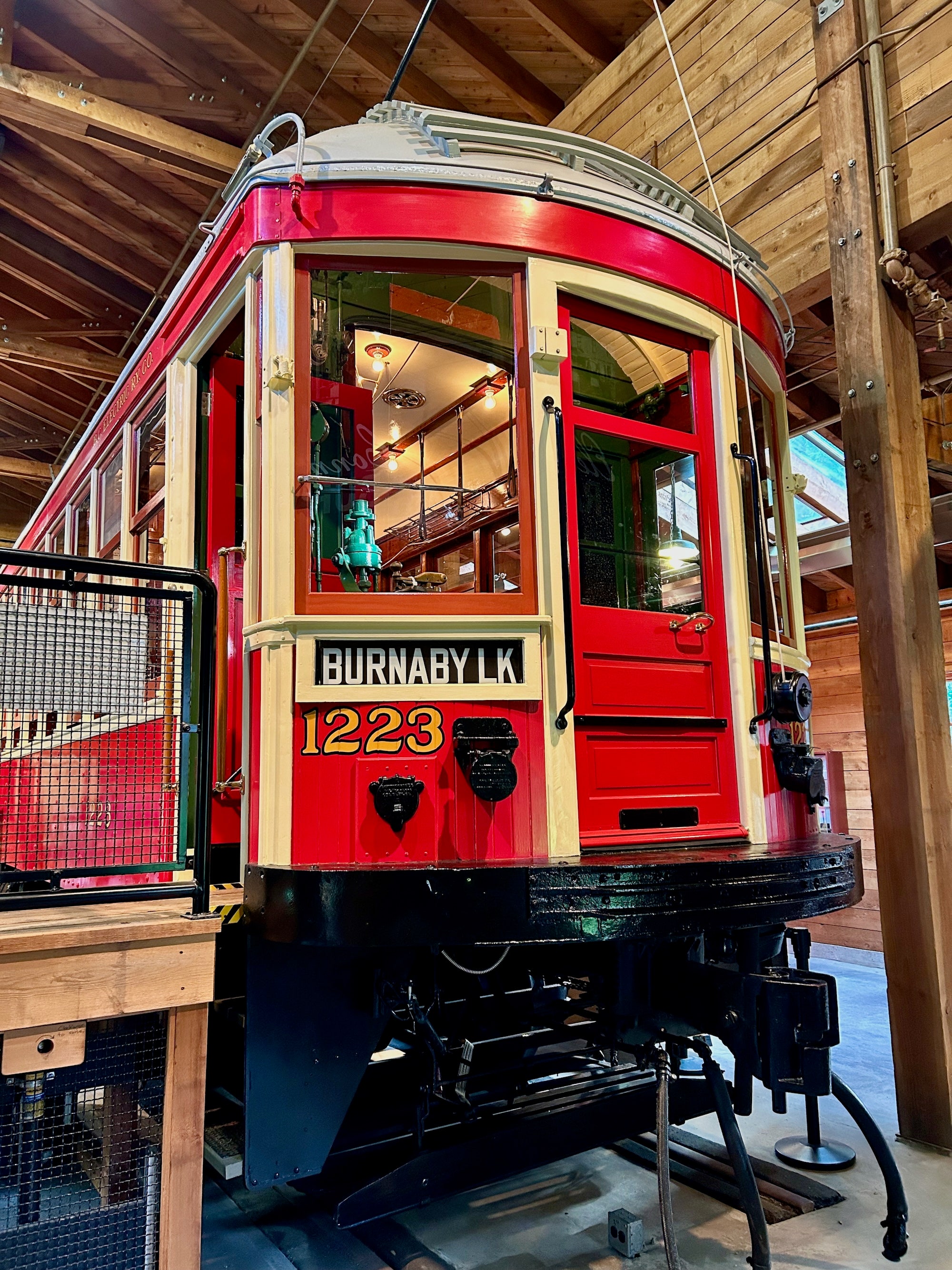
The interurbans themselves were a bit more lucky as seven survived. Most of them were scattered about in Metro Vancouver and the Fraser Valley, with one of them sent to a museum in Ottawa. The odd time they still roam the original Fraser Valley Line albeit with a diesel generator behind them.
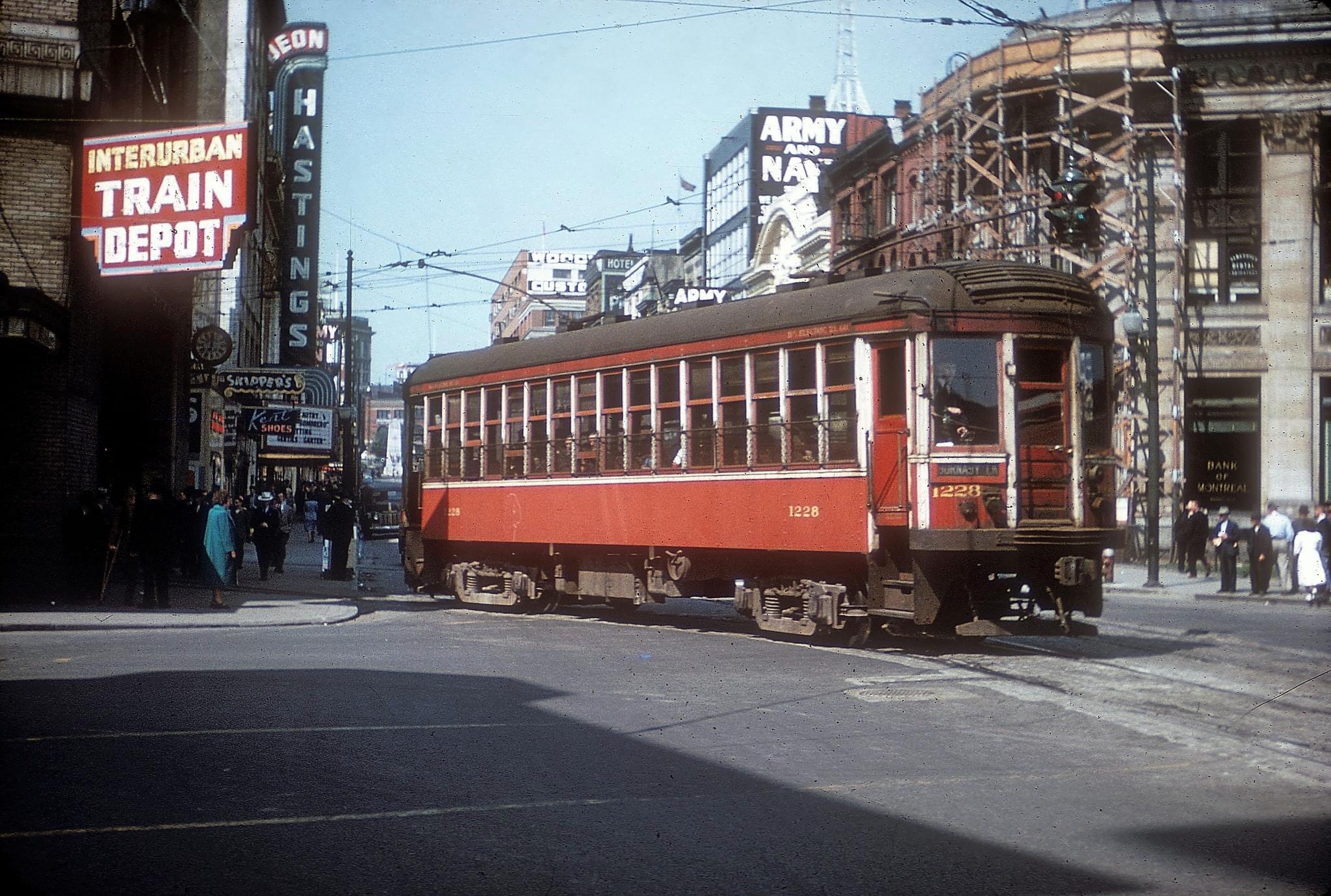
In addition to the trains being scrapped, a handful of stations survived. Both the New Westminster and Downtown Vancouver barns were spared but are no longer in use as anything resembling rail infrastructure, but the station in Chilliwack did not share that fate. Some of the intermediate stations were spared and were given to museums, but most were scrapped or left abandoned.
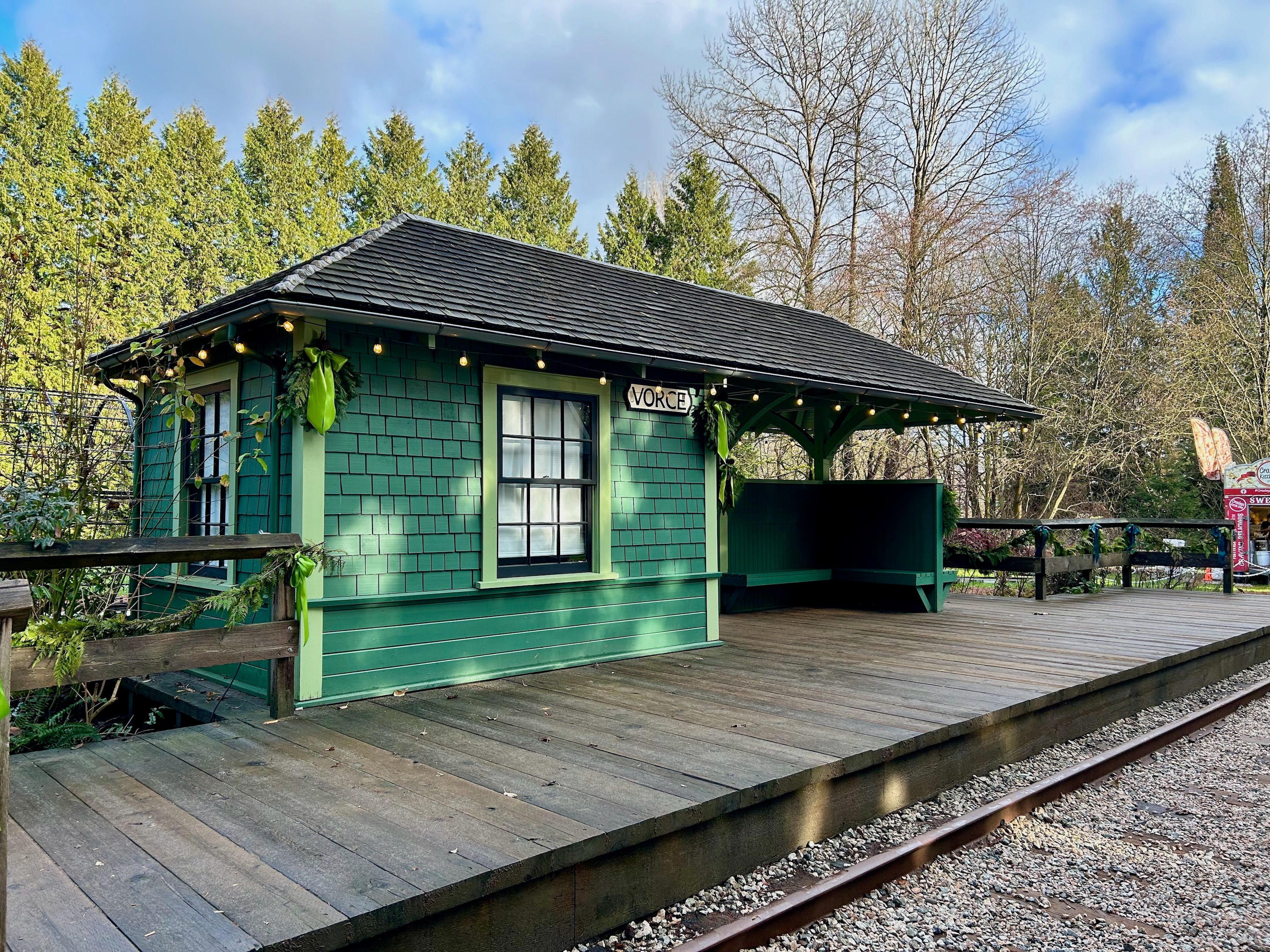
Vorce Station is probably the most pristine example of an intermediate station, which was rescued from the Burnaby Lake Line and is now on display at the Burnaby Village Museum.
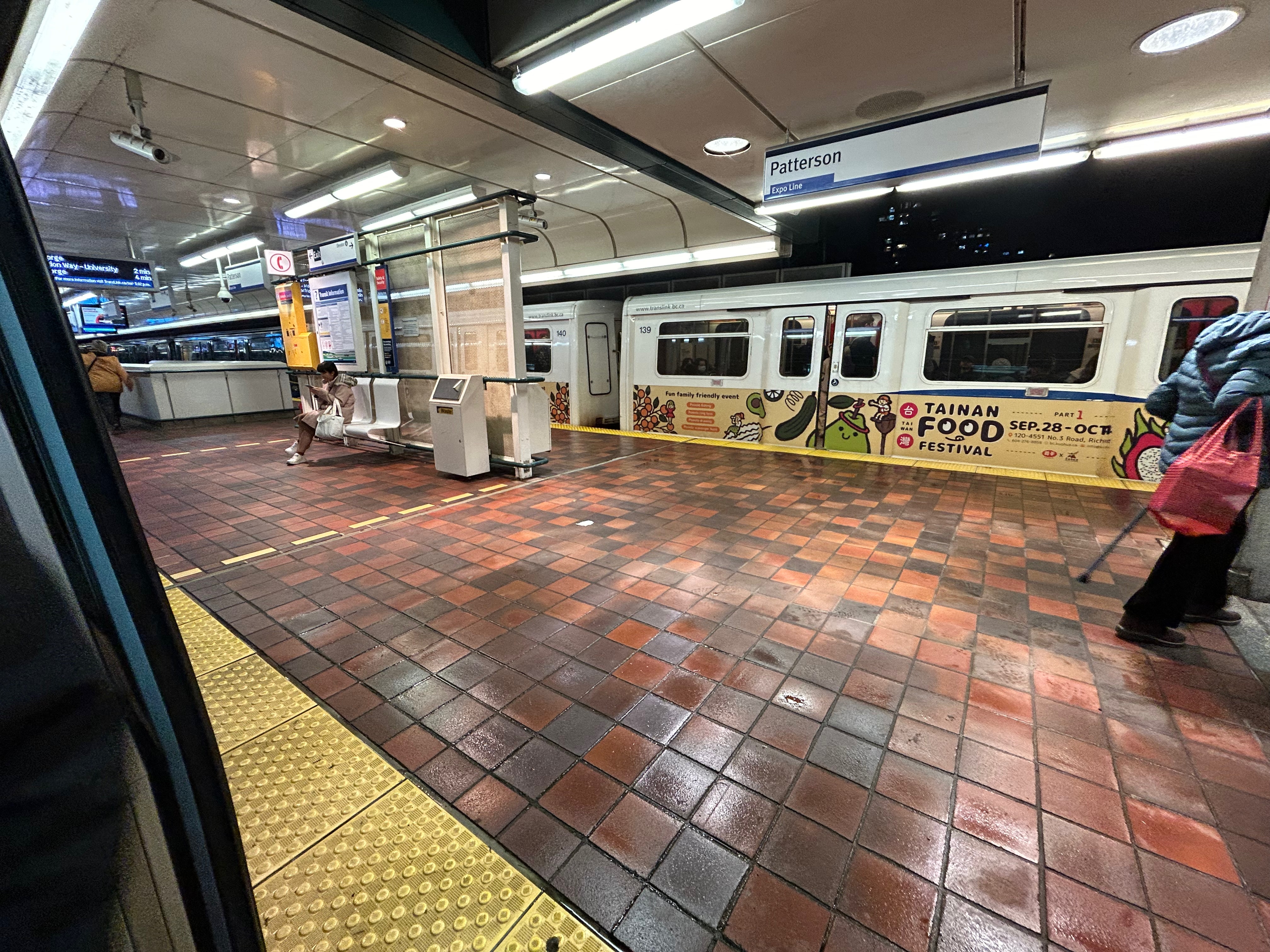
Coming back to the present and the remaining Mark I trains, it’s hard to know what is being planned for these trains especially in light of two sets having been unceremoniously scrapped. Some really interesting ideas have been thrown about on what to do with them and one in particular I like is the idea of repurposing them into mini cafes.
If you think my idea of a coffee shop called the “Expresso Line” in honour of the Expo Line is interesting, let me know if you want to halvesies on this golden opportunity.