Seventy years since the Central Park Interurban. What happened?

Tomorrow (October 23) marks seventy years since BC Electric Railway’s Central Park line was shutdown. For almost 32-years from that day, no passenger rail service existed for many residents of Metro Vancouver, resulting in much politicking later on over what to do about rapid transit.
This wasn’t the first interurban service to be discontinued I must add. The line from New Westminster to Chilliwack was shutdown in 1950 and the last line to be closed was between Steveston and Marpole in 1958. This shutdown was part of a rail to rubber initiative by the BCER starting as early as 1944 when the company embarked on shutting down its rail services, including its first streetcar service shutdown in North Vancouver in 1947.
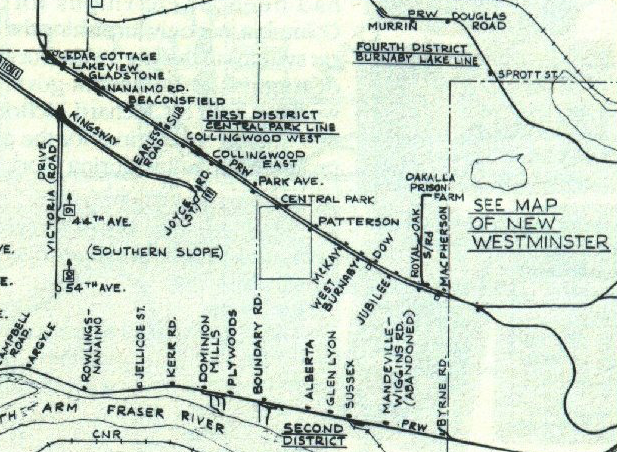
How we arrived at this shutdown in favour of buses is a bit complicated. Much of it had to do with logistics and it also had to do with corporate profits. I won’t get into the latter, but the former I can talk about a bit here.
One of the problems which the interurban system faced as a whole was that the terrain it navigated was quite challenging for the aging vehicles. Operators often complained about the hill at what is now McSpadden Park between Commercial and Victoria; the trains would struggle to get up the hill at anything more than walking speed.
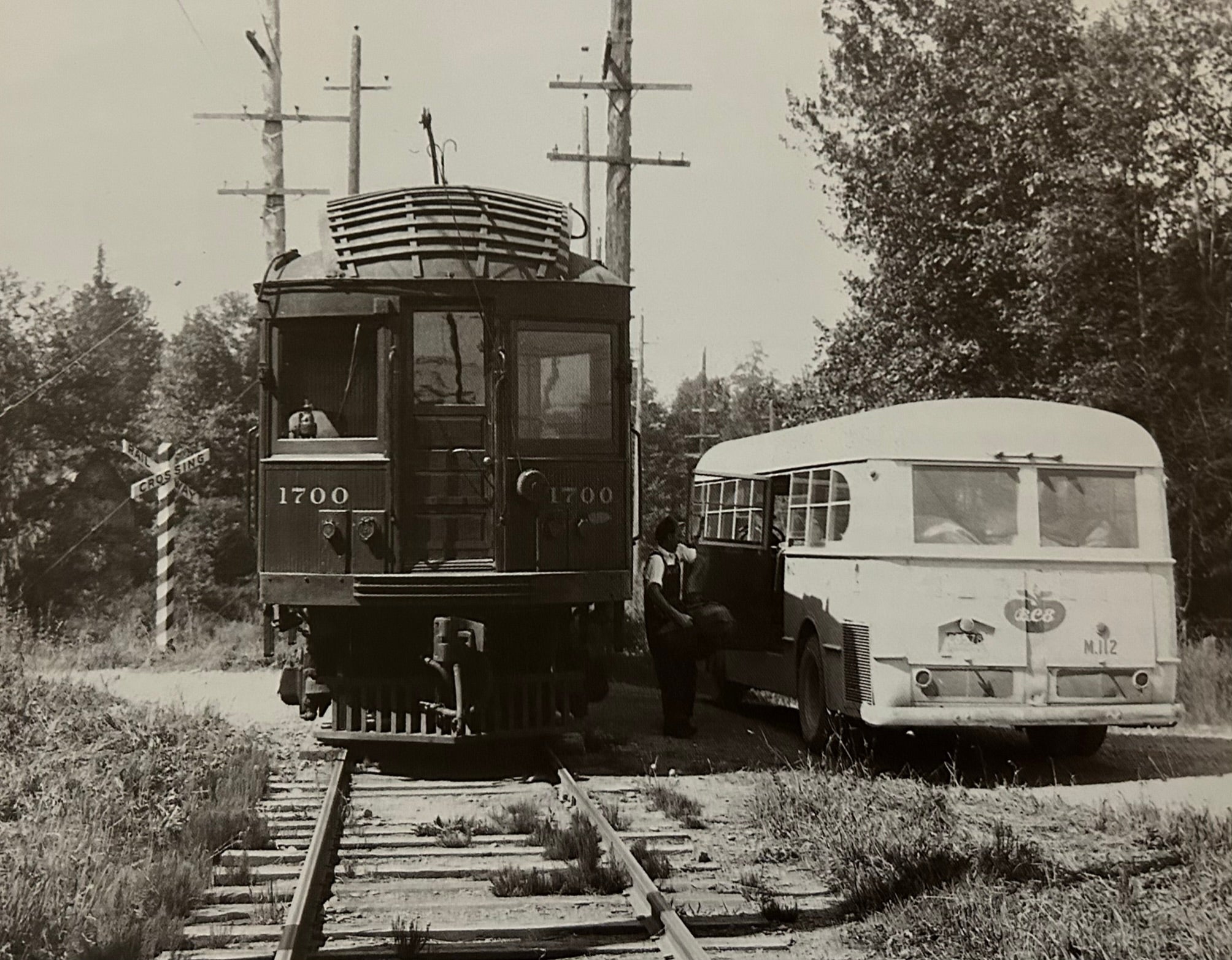
And to add to this, the Fraser Valley is prone to flooding and this proved to be a problem for the line out to Chilliwack. Trains are naturally restricted to tracks and being that the trains in use by the BCER were electric, they could only use lines for which the vehicles could derive power from. In the above photo, you’ll see a BCER vehicle stopping next to a BCE bus to allow passengers to transfer due to one of the flooding situations.
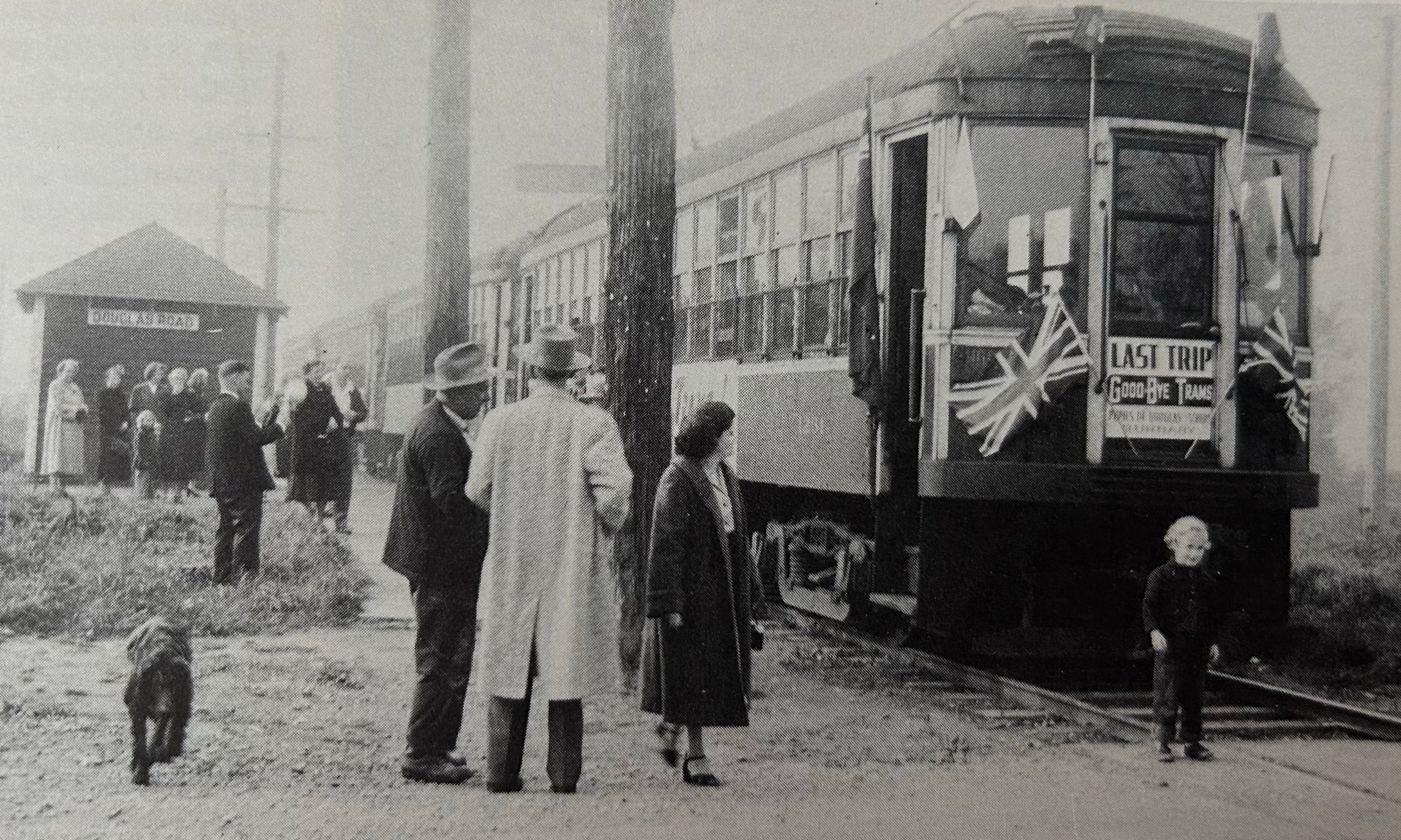
Over the course of a decade, roads improved and BCER opted to not keep infrastructure up to standards and instead shutdown the network. The government was providing open access to its roadways and BCE wanted to take advantage of that.
One thing I have not discussed exactly is who the BC Electric Company is. You’d be correct in thinking that it was the predecessor to BC Hydro, but it was never originally a public company. In fact, the BC Electric Company existed out of the BC Electric Railway, meaning that the movement of people facilitated the growth of electricity in this province.
In 1961, three years after the last BCER interurban service ceased to be, the provincial government under W. A. C. Bennett expropriated the private BC Electric and formed BC Hydro.
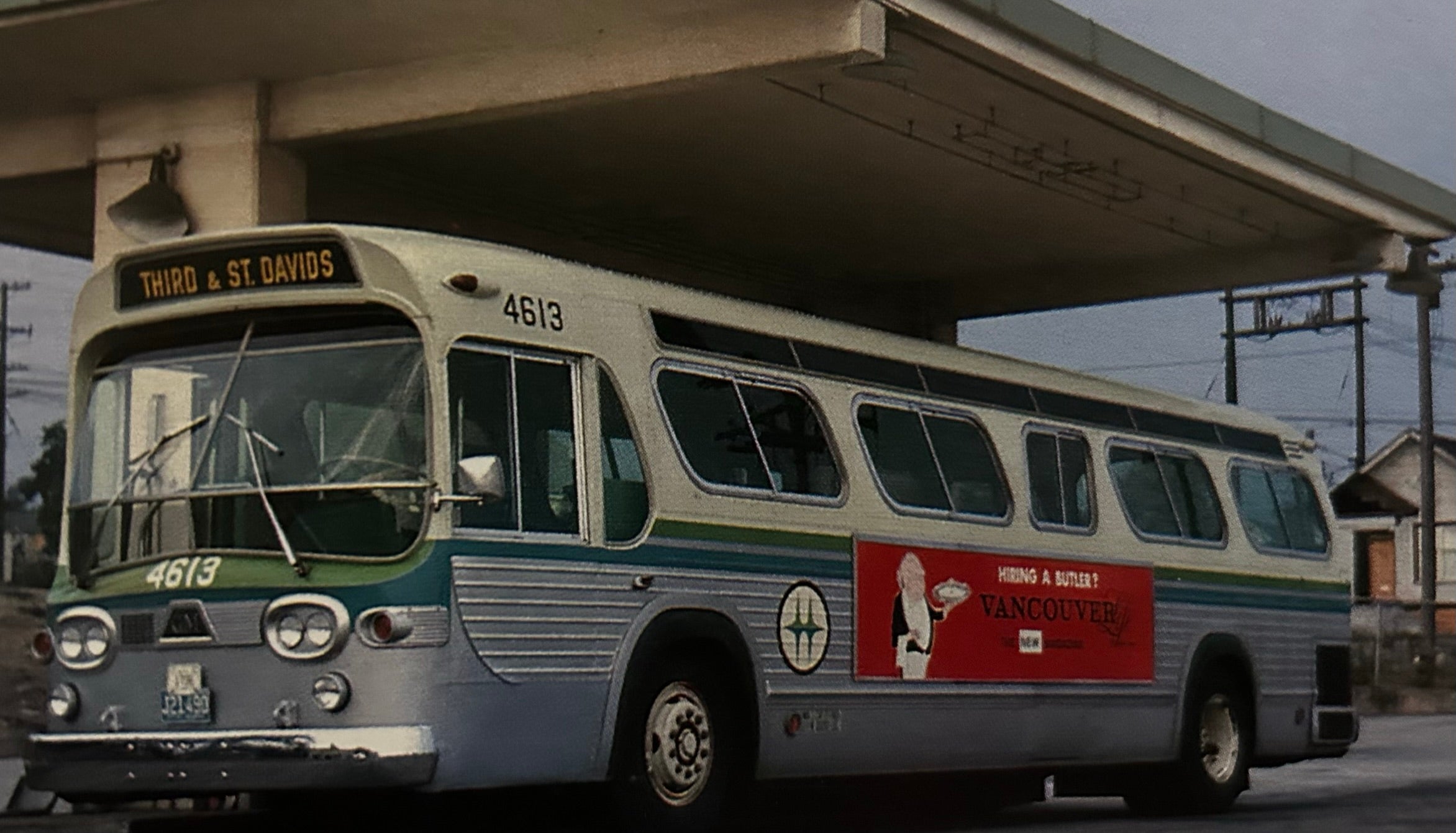
This is why for almost two decades, BC Hydro provided both local bus transit and freight rail services. This changed in 1979 when BC Hydro gave up its transit services when the government created the Urban Transit Authority, which then in 1983 became BC Transit–it would not become TransLink in Metro Vancouver until the late 1990s.
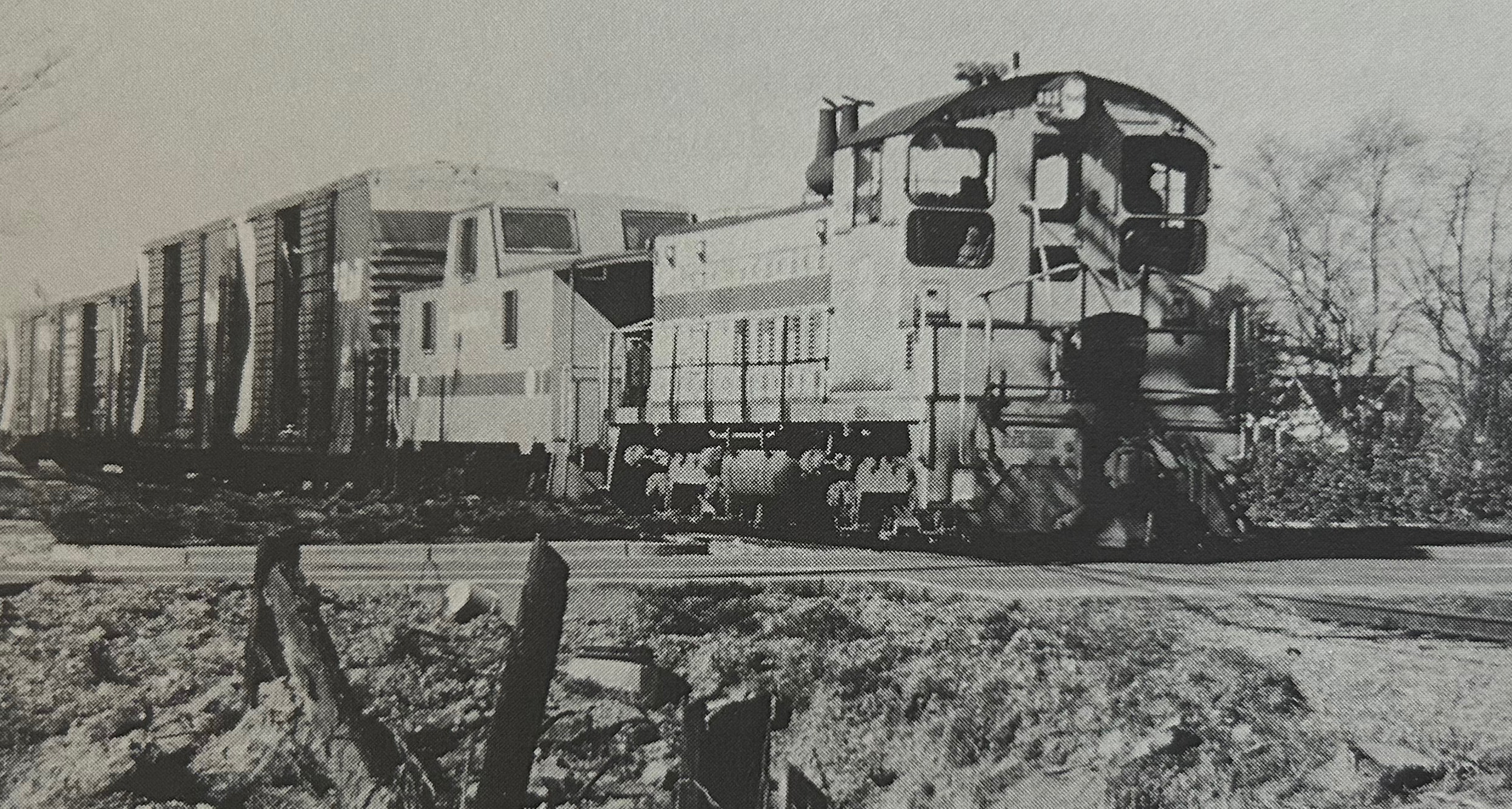
All of this of course deserves its own article at some point, because for example, BC Hydro had a lot of objections to mass transit returning to Metro Vancouver at the expense of its freight rail operations. This became less of an issue as we went later in the 1980s and 1990s.
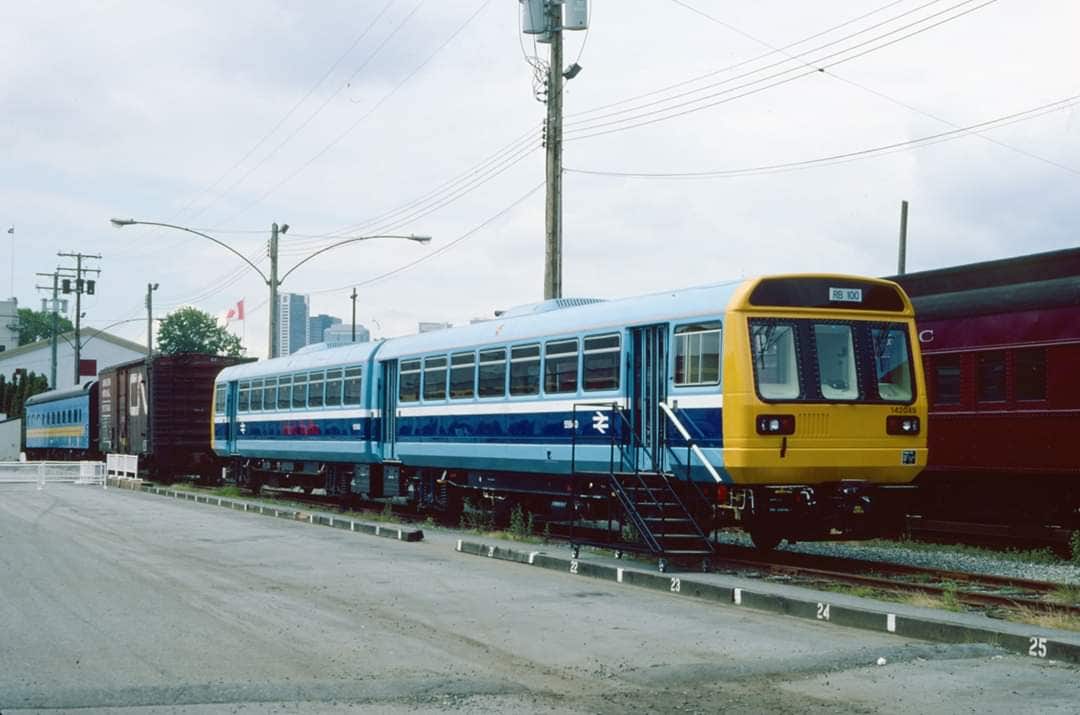
However, I often wonder if the actions of the provincial government in 1961 were to have happened a decade sooner we’d have had a radically different transit system. Much of the infrastructure perhaps would have been improved, but who knows if the trains would have survived. Maybe we’d have ended up with railbuses zipping along the Arbutus and Fraser Valley corridors.