Ten years of Compass and a brief history of automated fare payment
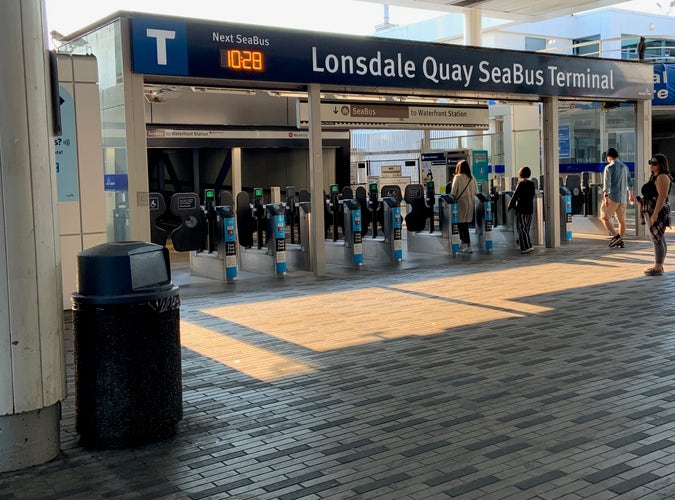
September 2023 marks ten years since Compass card readers were beginning to implemented. While the system itself wasn’t fully activated until 2016 and the necessity of it was more political than practical, I felt it was worth acknowledging the anniversary by looking at the ways fare validation on BC Transit and then TransLink services have evolved.
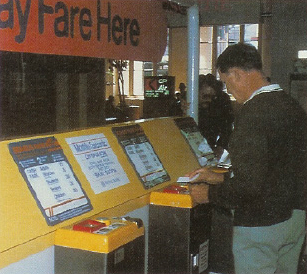
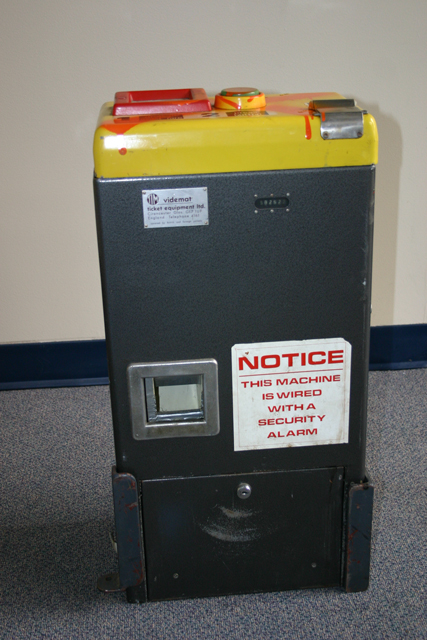
The first use of automated fare collection was in 1977 when the SeaBus link between Vancouver and North Vancouver first began regular service. The ticket machine was simple in its design: you’d place the appropriate fare into the machine and it would photocopy every single coin inserted and print them on to a piece of receipt paper to be used as proof of fare.
This of course was back in the day when coinage included pennies but excluded loonies, meaning that if you had inserted a lot of pennies, you’d have a rather lengthy proof of payment.
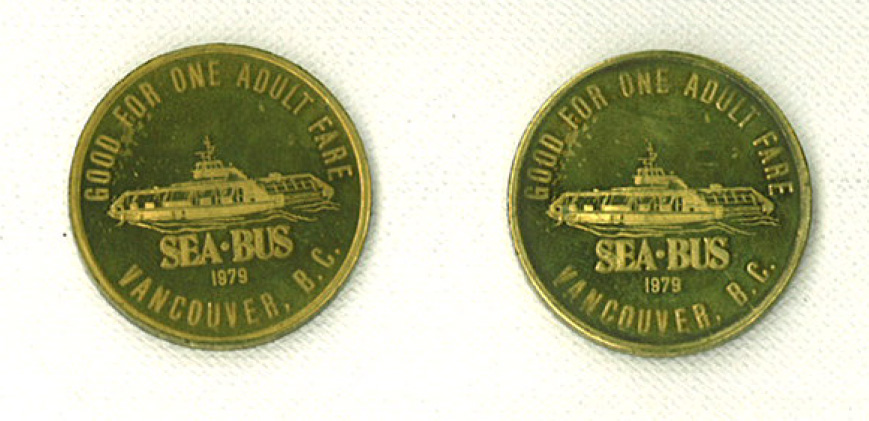
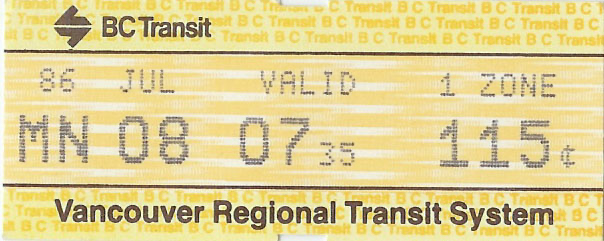
When SkyTrain service began, a new ticket machine was needed and this meant the end of tokens as they would not be effective for the new railway. Automated ticket machines were placed at every station and they took paper notes in addition to coins.
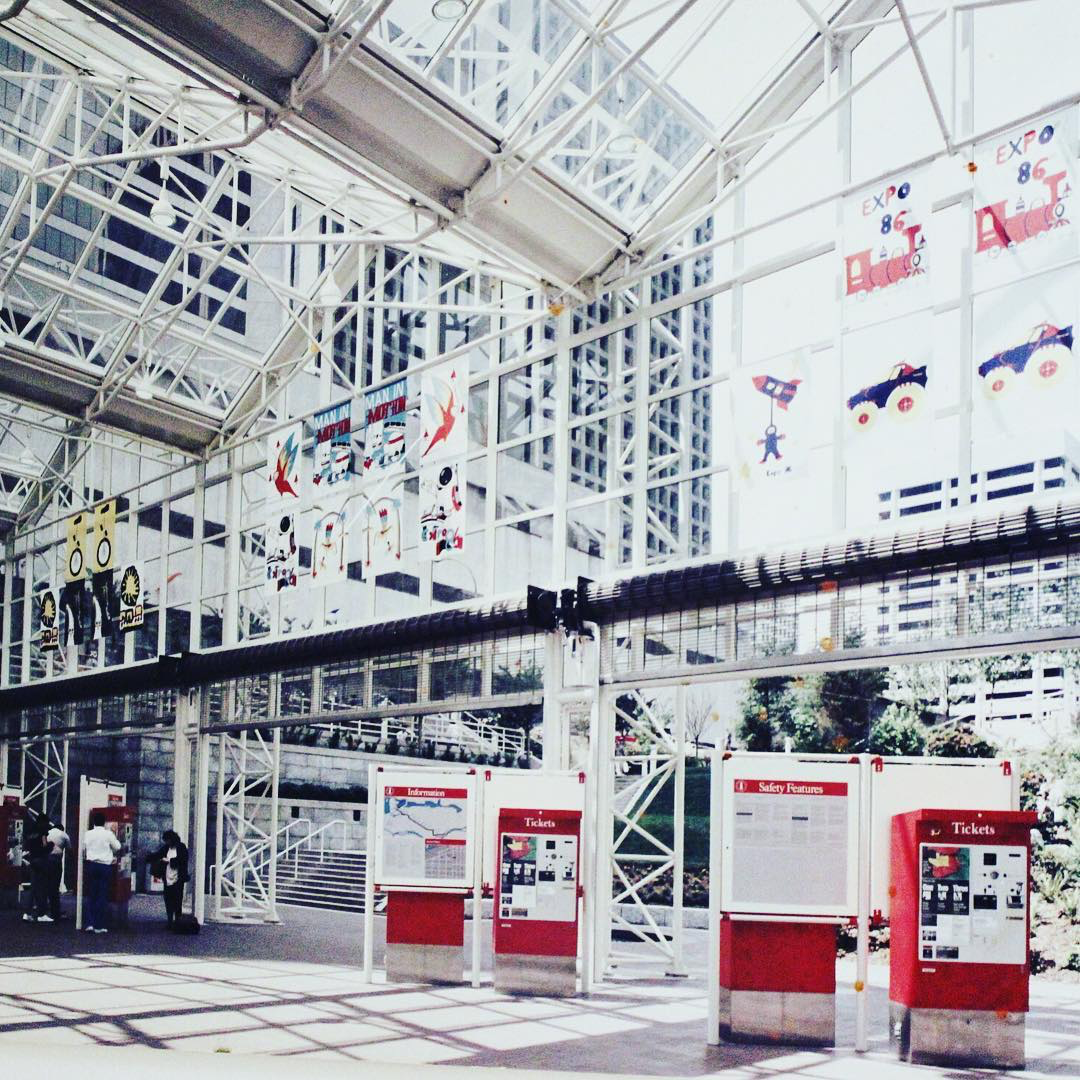
Tickets issued on SkyTrain were valid on buses and SeaBus as well as the entire system had complete fare integration.
These ticket machines were in place for over a decade and a half and survived substantial changes to Canadian currency including the introduction of the two dollar coin–also known as the toonie. However, a brand new line was being opened and this required a whole slew of new machines and the new transit agency, TransLink opted to purchase brand new, high-tech machines to take their place.
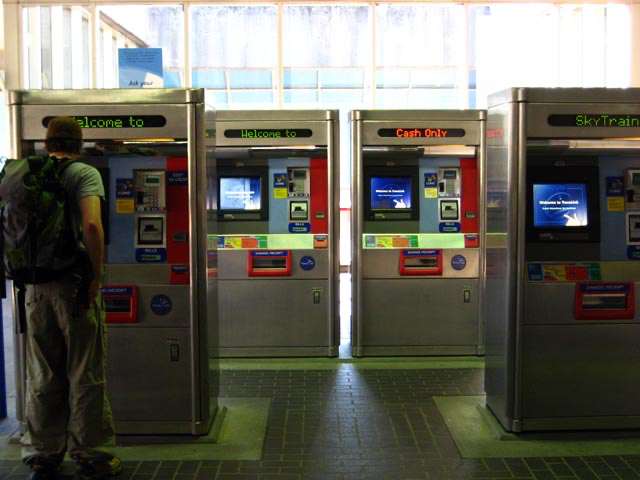
The big difference with these new machines was that the tickets had a magnetic stripe and could be issued and validated on buses.
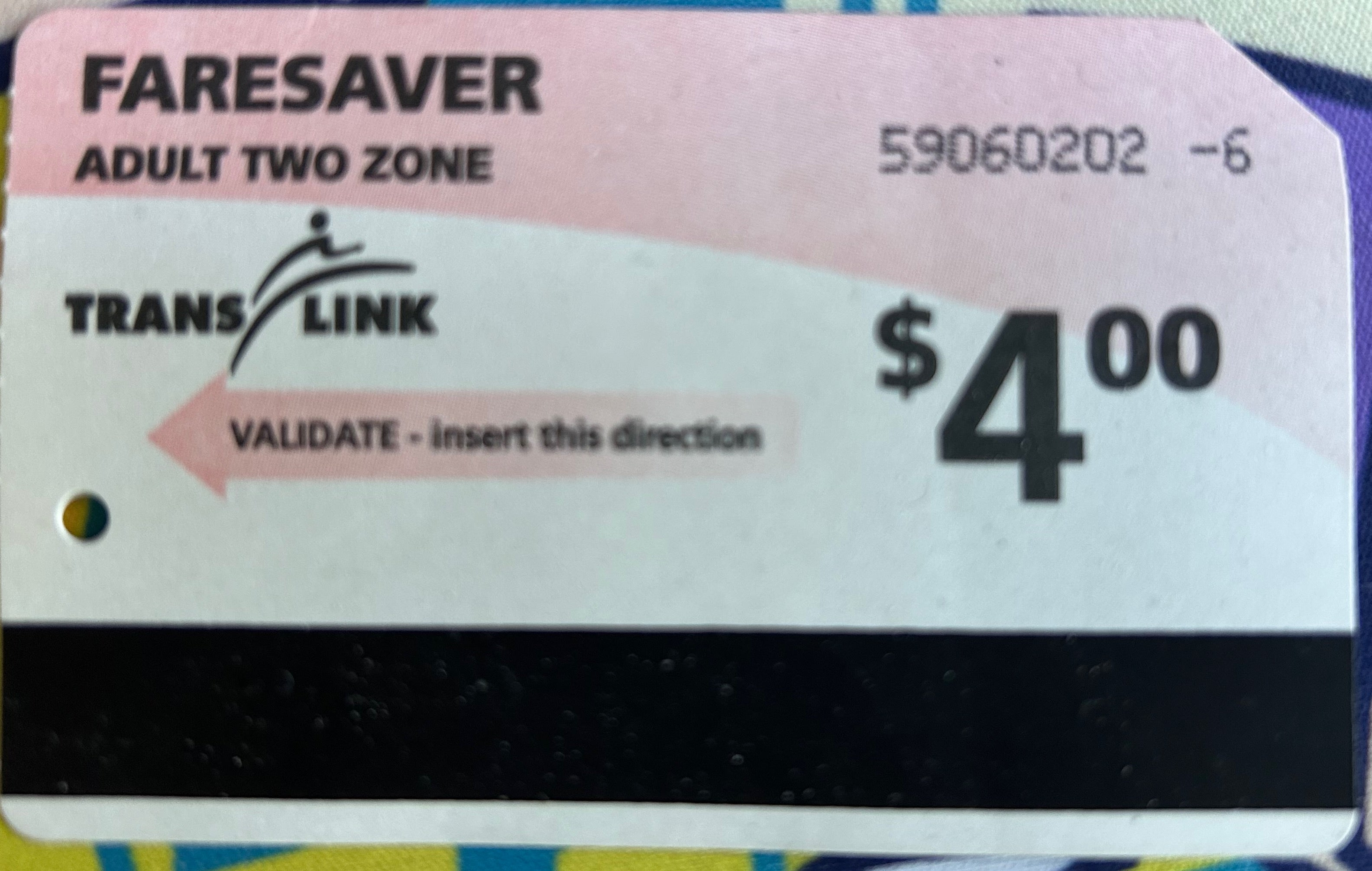
There were no gates on the system however so proof of payment had to be manually verified by staff should a ticket inspection be conducted.
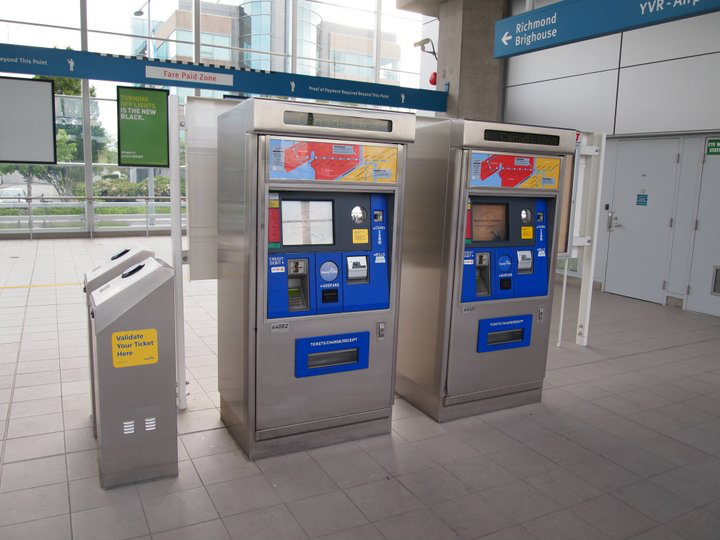
With the opening of the Canada Line, new ticket machines were ordered and they provided a hint of things to come: RFID passes were coming. The machines were designed with RFID readers in mind, but no system had been entirely established. This was all going to change when provincial politicians wanted to do away with the gate-less honour system SkyTrain employed and thus began a long ordeal to rid ourselves of the existing fare system.
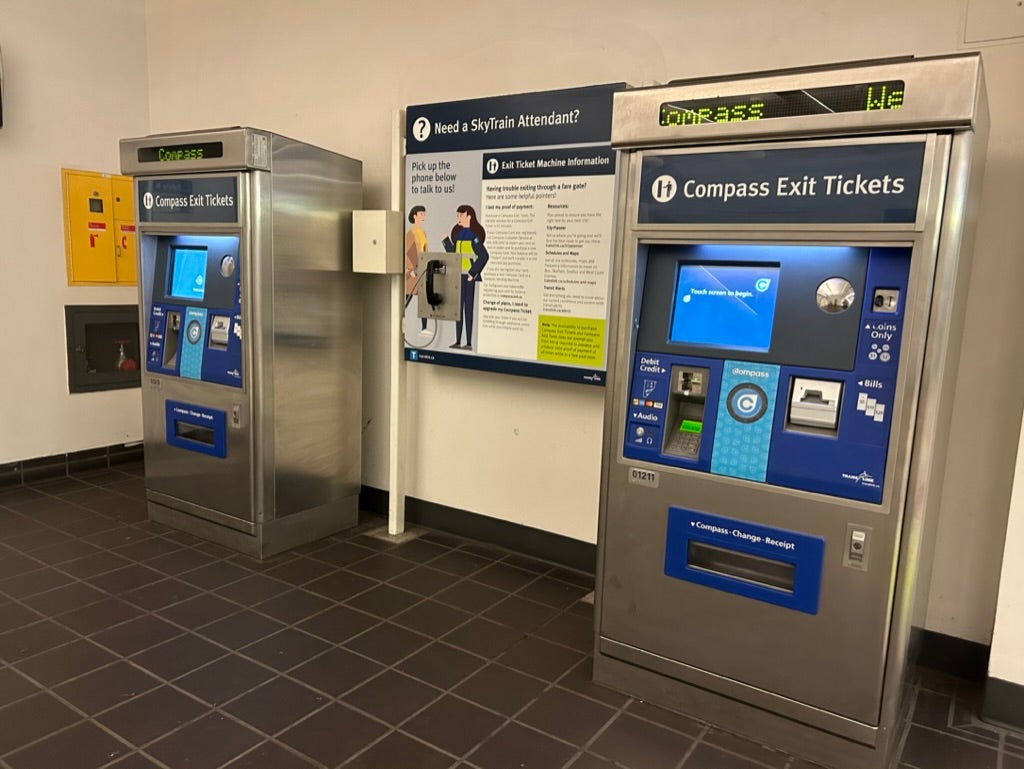
Starting in 2013, TransLink began to implement the Compass service and invited thousands of users (including this author) to be part of the program. Implementation was controversial as it required construction at many stations to accommodate fare gates. Many of these stations had to be completely remodelled as while the Canada Line stations were designed with such things in mind, Expo and Millennium Lines were not.
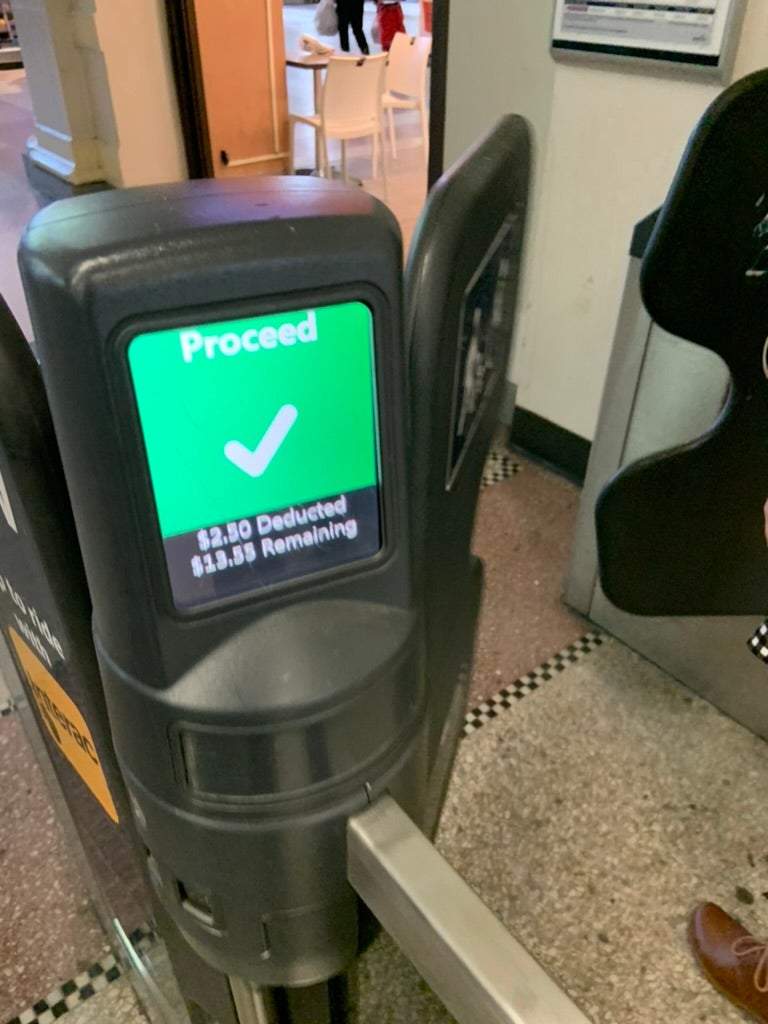
Implementation was fraught with problems with one big problem in particular: Metro Vancouver has a zone system for determining zones. It would be straightforward to enforce this with fare gates, but how do you deal with buses? How do you remind users to tap off of a bus? Nobody could come up with anything practical and this plus other issues caused years of delays, causing the Compass service to not officially launch until 2016.
The cost to implement the whole system likely exceeded the cost of fare enforcement, but it’s the system we have received.
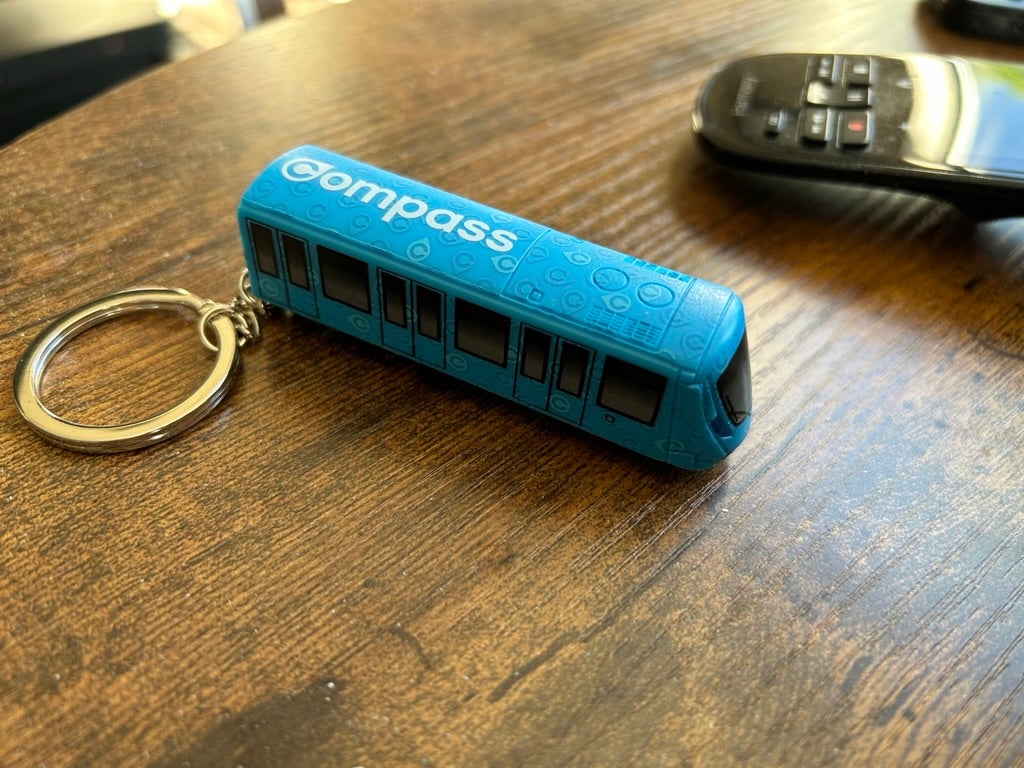
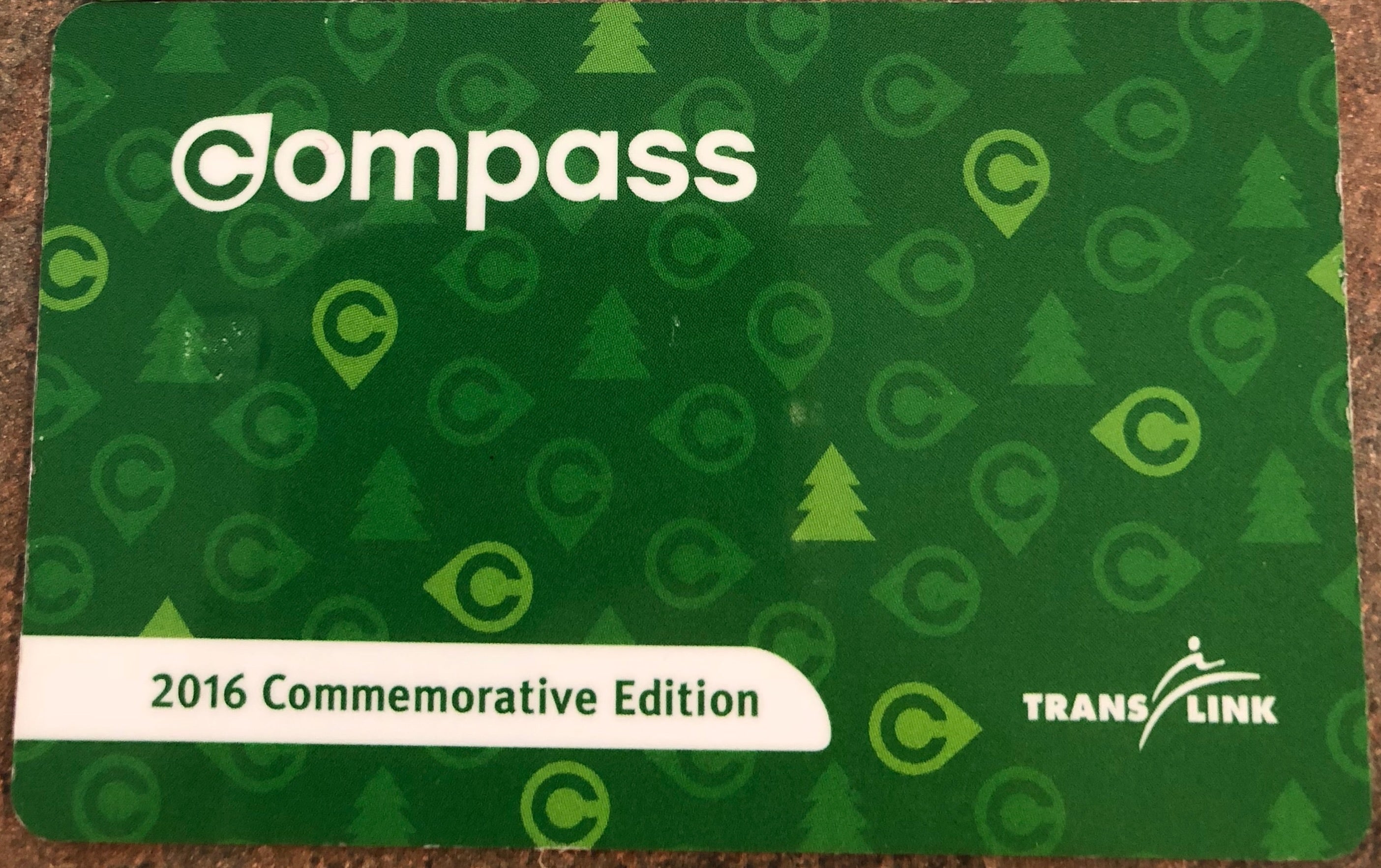
Since then, we have had limited-edition Compass card in the form of wrist bands, miniature versions, celebrations of holidays and expansions, and scale models of buses and trains. You can also purchase cards at pharmacies, including at many which are nowhere near a SkyTrain station.
The future of payment with transit in Metro Vancouver is going to change once again. TransLink has been exploring moving to a new scheme where you can use a transit pass using your mobile phone, akin to cities such as Hong Kong and San Francisco. This has been delayed so far by the pandemic, but we’re due to see these changes in the next few years.
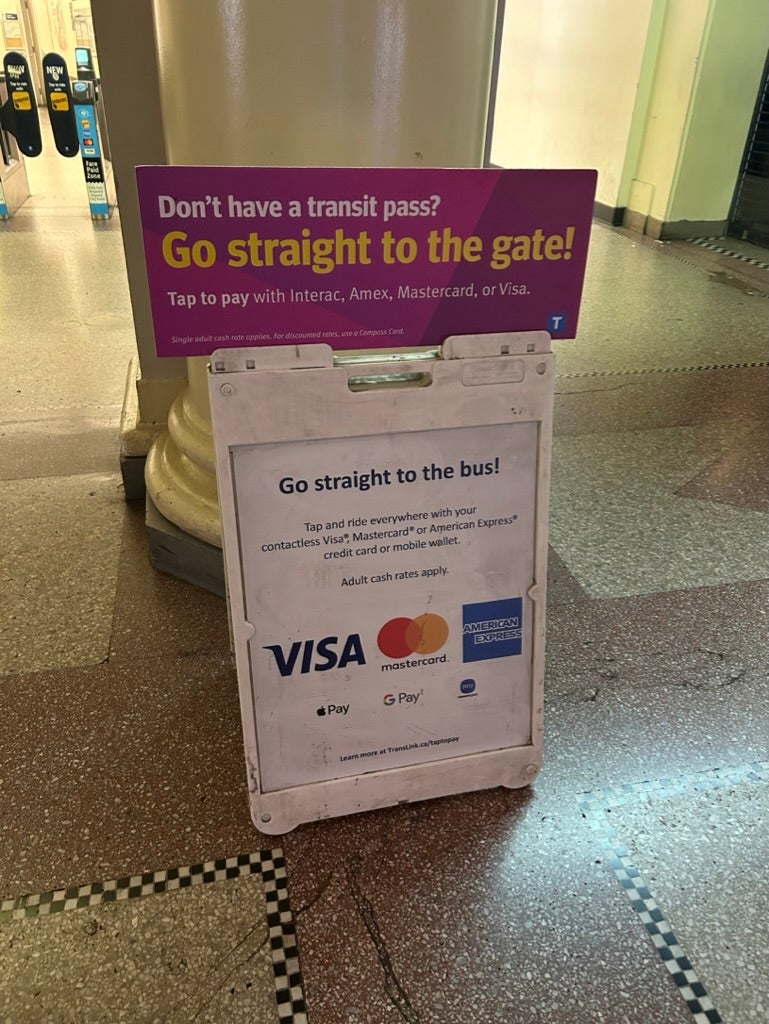
However, payment can be made by simply tapping your debit or credit card so the need for an actual transit pass to ride the services provided by TransLink is kind of no longer necessary.
One thing to mention is that buses have rolled back on automated fare payment in favour of paper tickets given out by bus drivers. If there is interest in how bus fare has been handled historically, let me know and I’ll consider it in the future.
Maybe one day payments won’t be needed at all, but for now this is what we have.