Hi-Vision and anime
This is a repost from a Twitter thread I made back in July 2019. I will be resurfacing old threads I happen to like from time to time to make them available on cohost too!
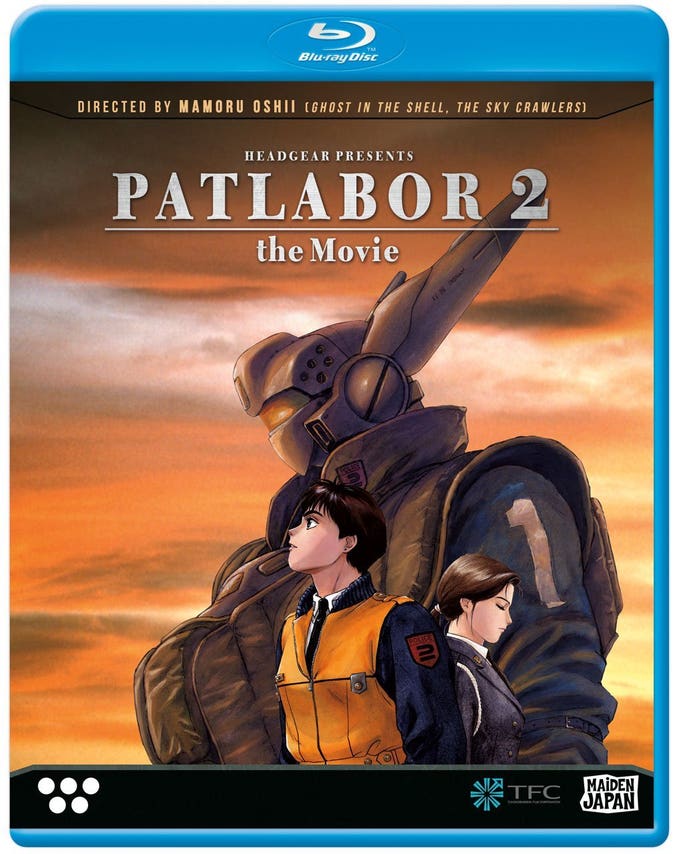
So I’m stuck at home a lot these days and someone had posted about having watched Patlabor the Movie yesterday, leading me to be inspired to watch the sequel.
It happens to be a favourite of mine, but I discovered something rather neat about this alternate reality.
Hi-Vision!
Just bear in mind, I may spoil some parts of this movie inadvertently so I am going to do my best to keep this spoiler-free if you somehow haven’t seen this movie.
I will deviate from Hi-Vision talk because the retro-futurism in this movie is just so cool.
This movie was released in 1993, about four years after the first movie, which is equally good. Two years prior, Hi-Vision (MUSE) became commercially available.
You can read more about this format here.
But yeah. HD video that was analogue!
We didn’t end up with LaserDiscs in this movie although I guess for the sake of this thread I’ll show the use of compact disc-like media, but we did get to see VHS tapes everywhere.
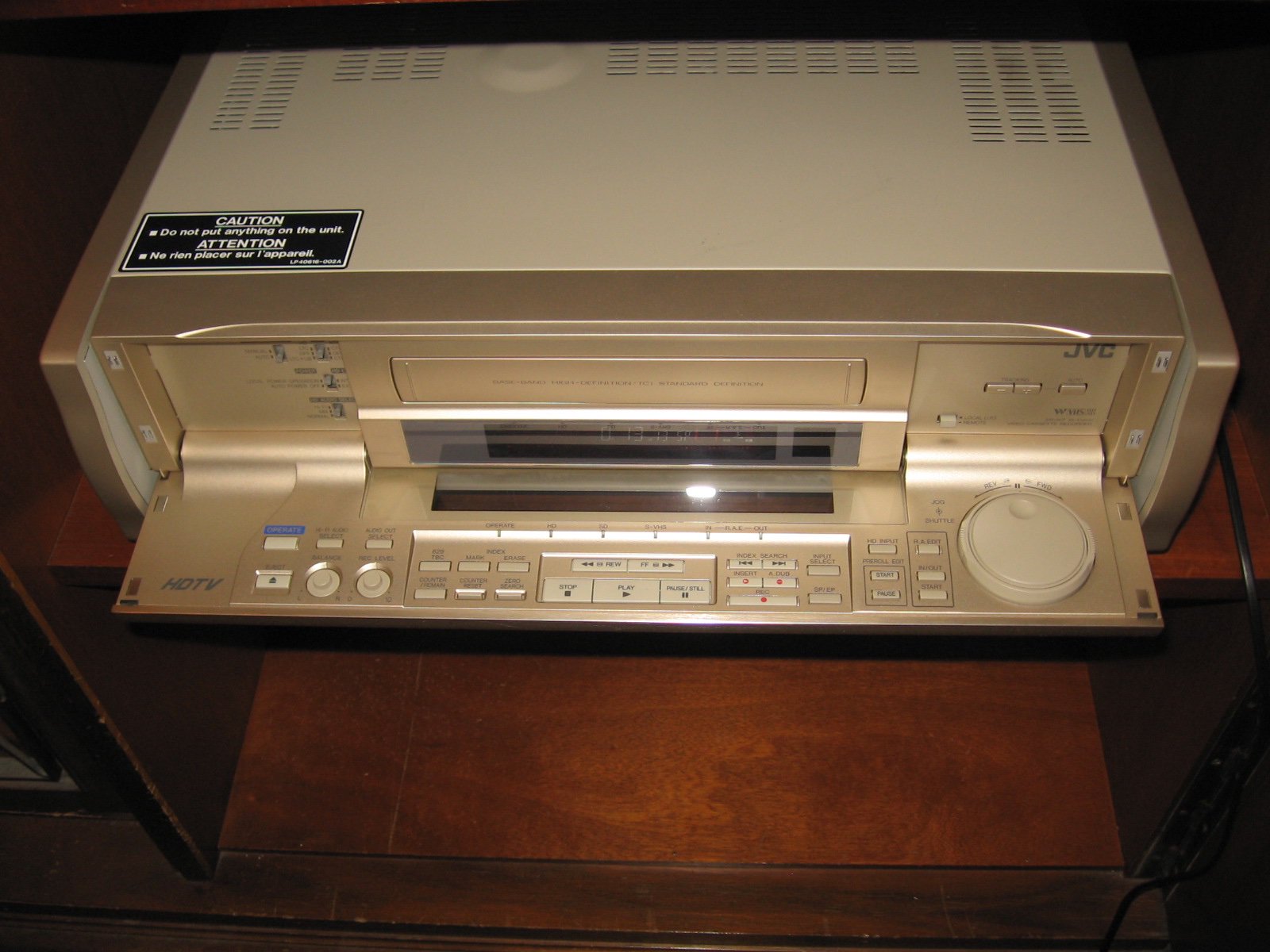
And yes. There are TWO HD formats for VHS: W-VHS and D-Theater.
So where does Patlabor 2 come in? Well we start off with the bombing of a bridge in Tokyo via a fighter jet supposedly belonging to the JDF, which sparked a political crisis and confusion throughout the Japanese government.
TV broadcasts were in 16:9!
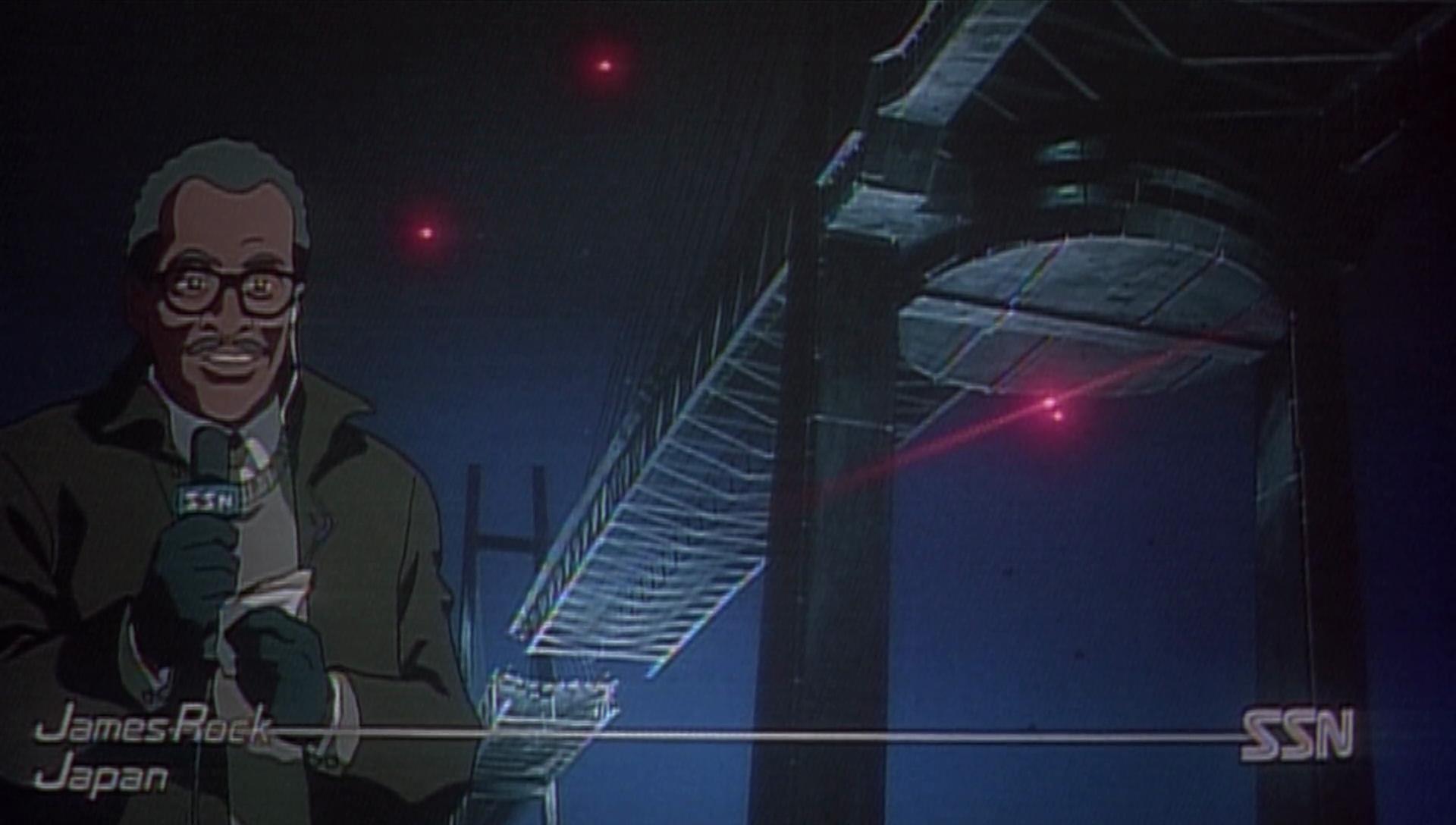
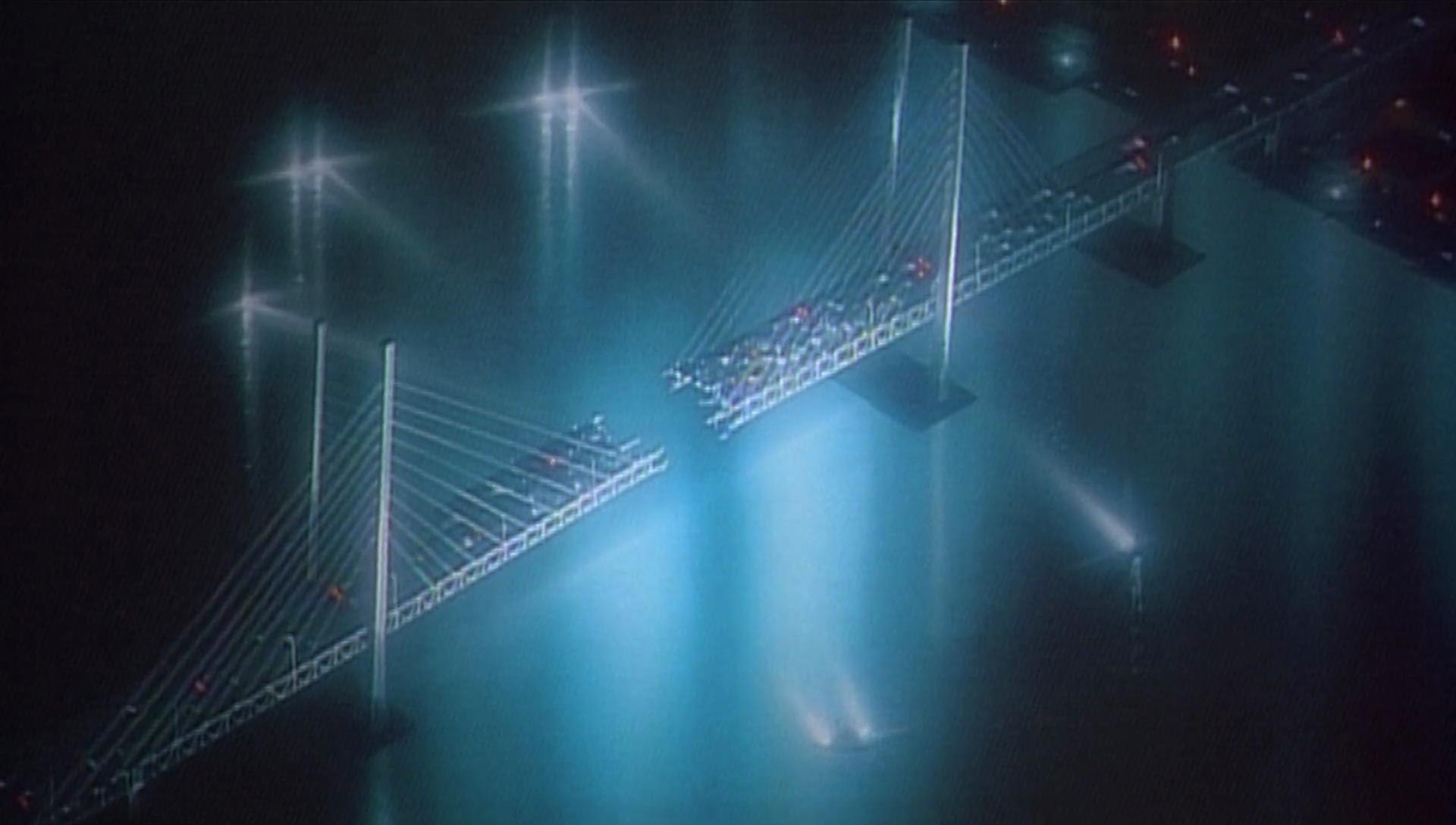
Eventually video of the incident from the ground is revealed and it “proves” that the bridge was bombed by an F-16 variant owned by the JDF.
Because of it being an HD video, they were able to “enhance” the image to demonstrate that the bridge was attacked by missile.
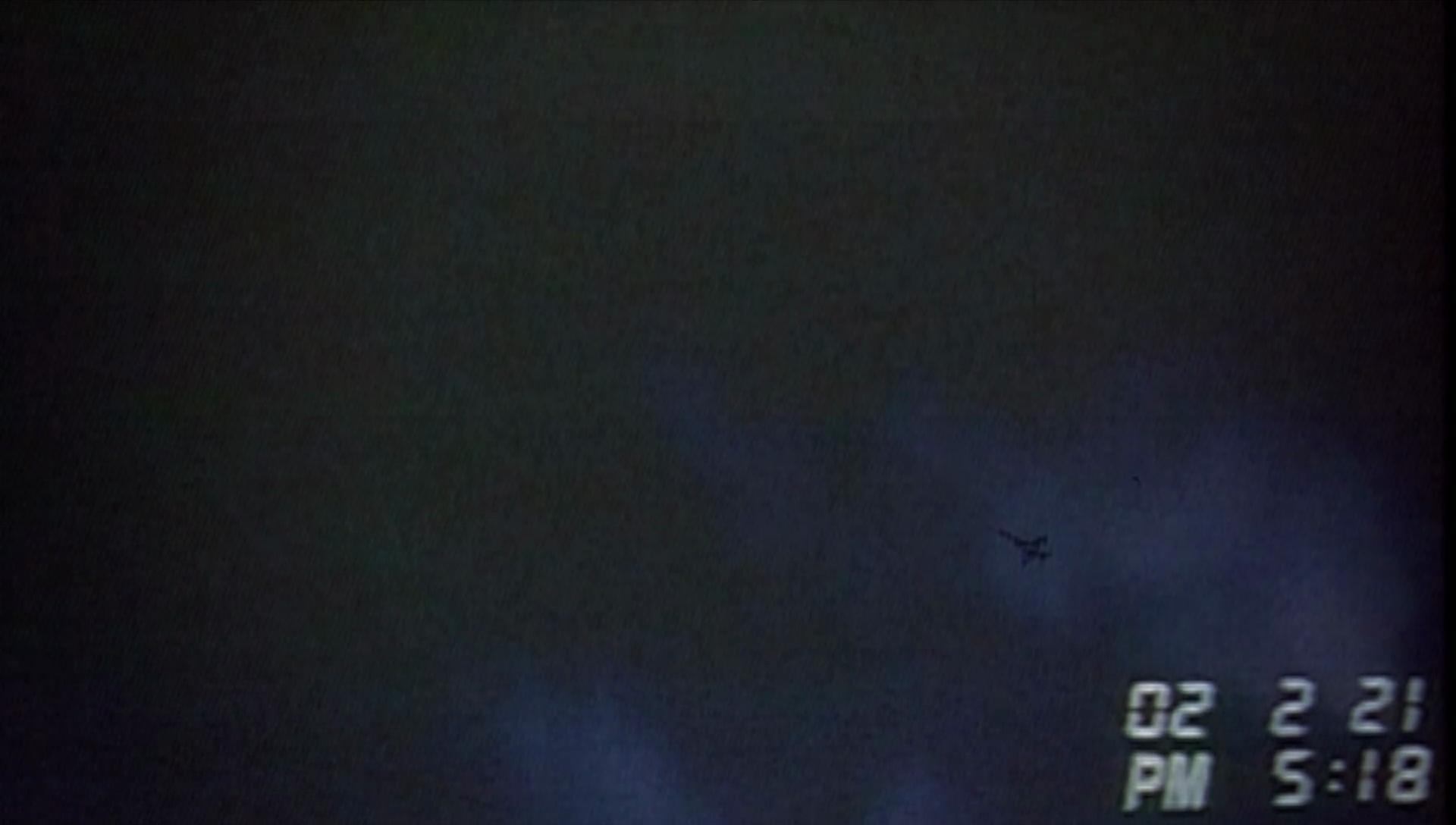

You couldn’t get this resolution with your standard Handicam or whatever from back in the day because it was 480i. You could simply not zoom in like this; and while questionable for this 1035i source, it’s a lot more plausible.
Naturally recording this was for a karaoke video.
Eventually the police division centred in this movie comes into investigate and visits the videographer who had the master recording, but finds out that it was taken by “another officer”.
However, take a look at all of the recording equipment that this videographer has; 16:9!
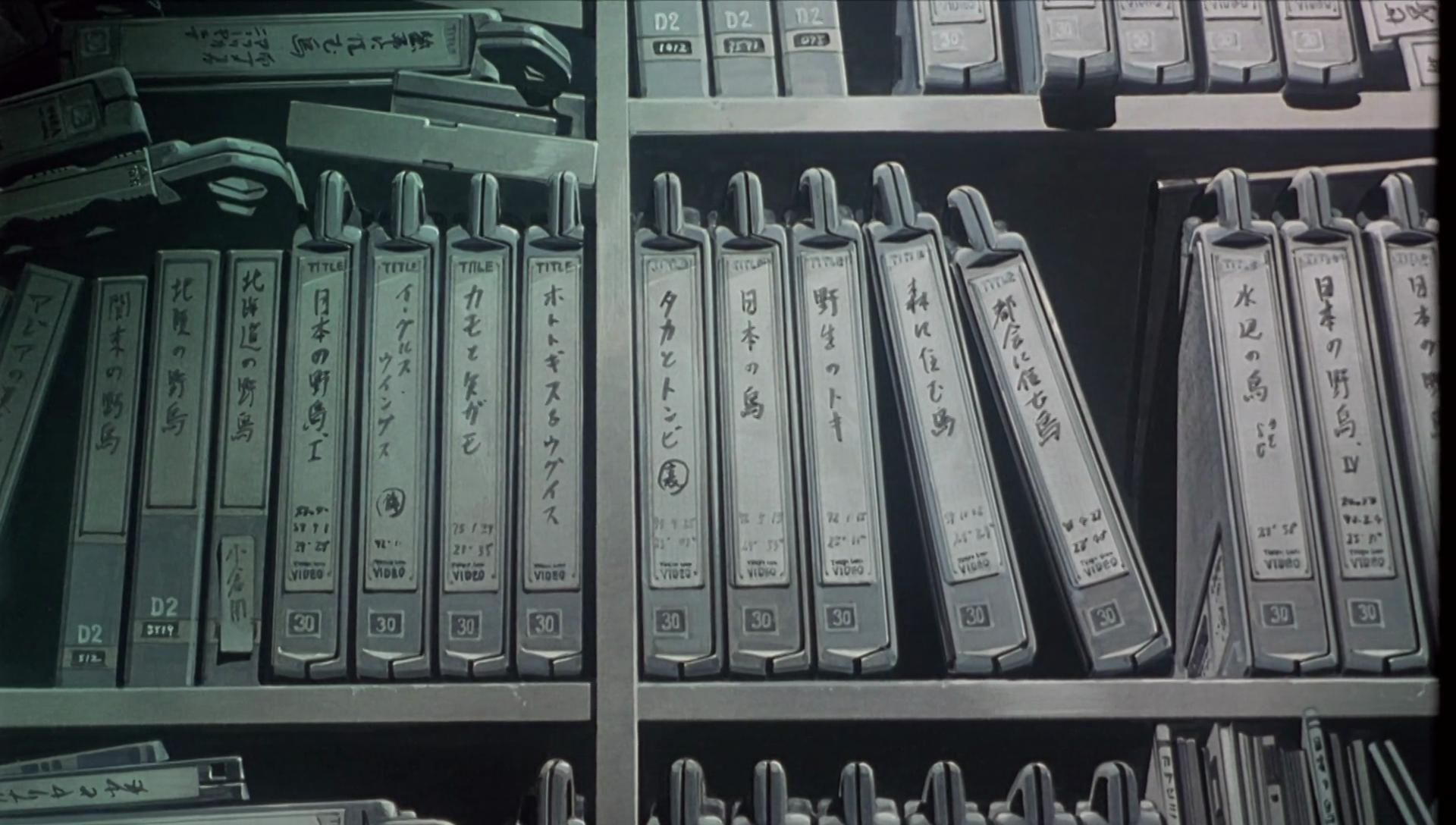

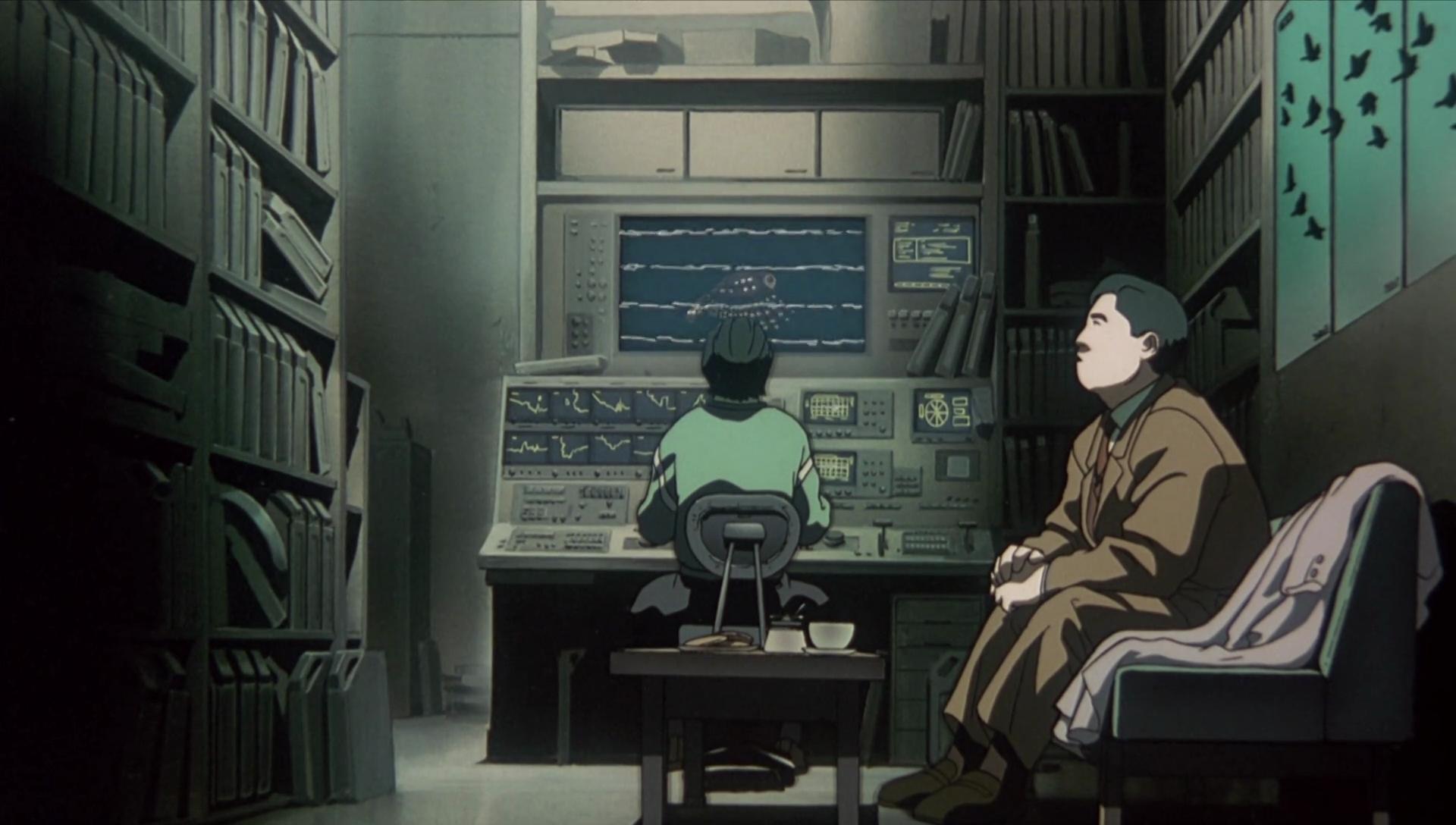
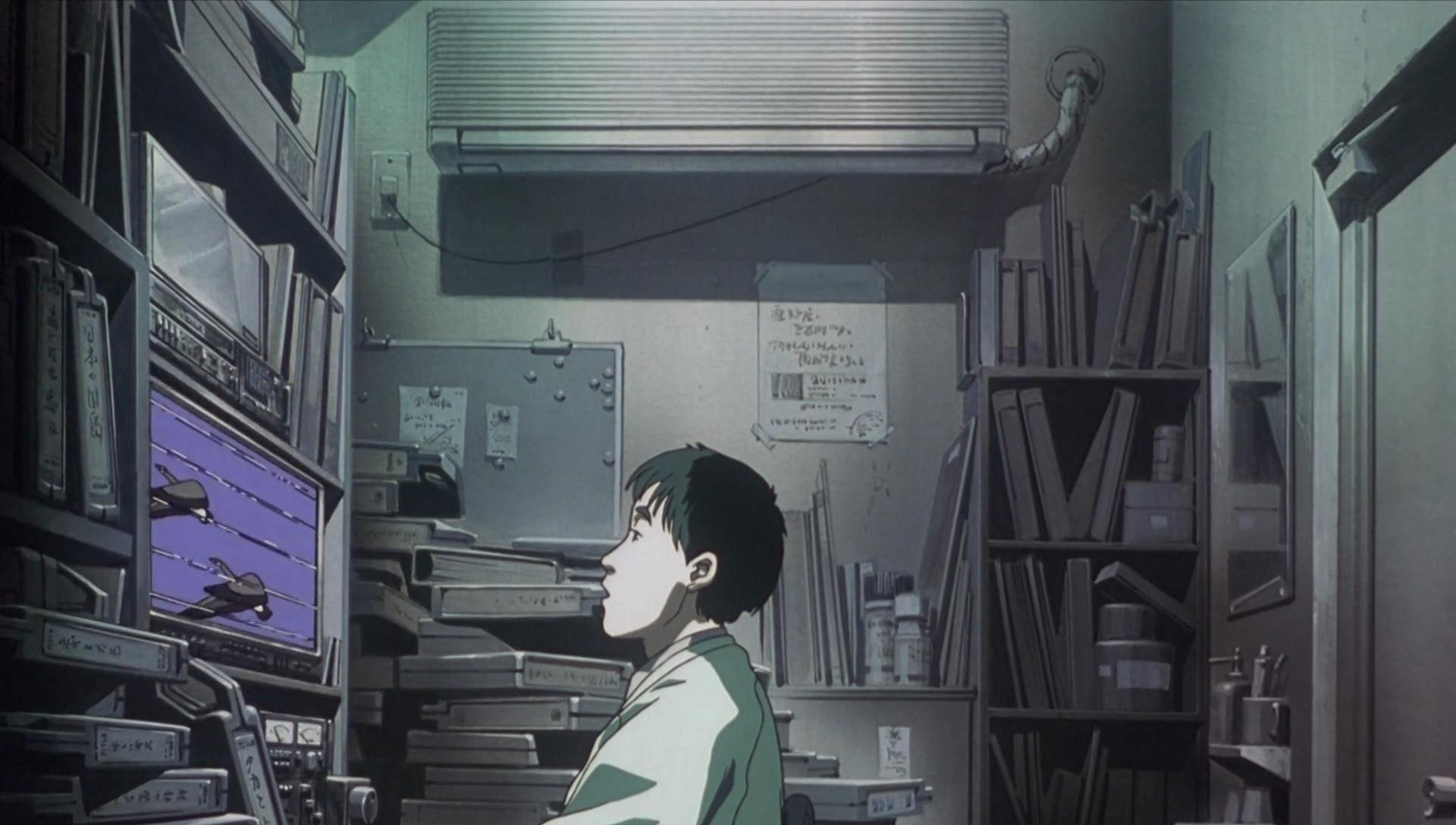
We quickly go to another scene where the “other officer” ends up being a JDF [spy] of sorts. He wants to show the tape to the police division.
He finds himself befuddled with this whole VHS setup. Look at the three players with weird buttons for tape length and cable inputs.
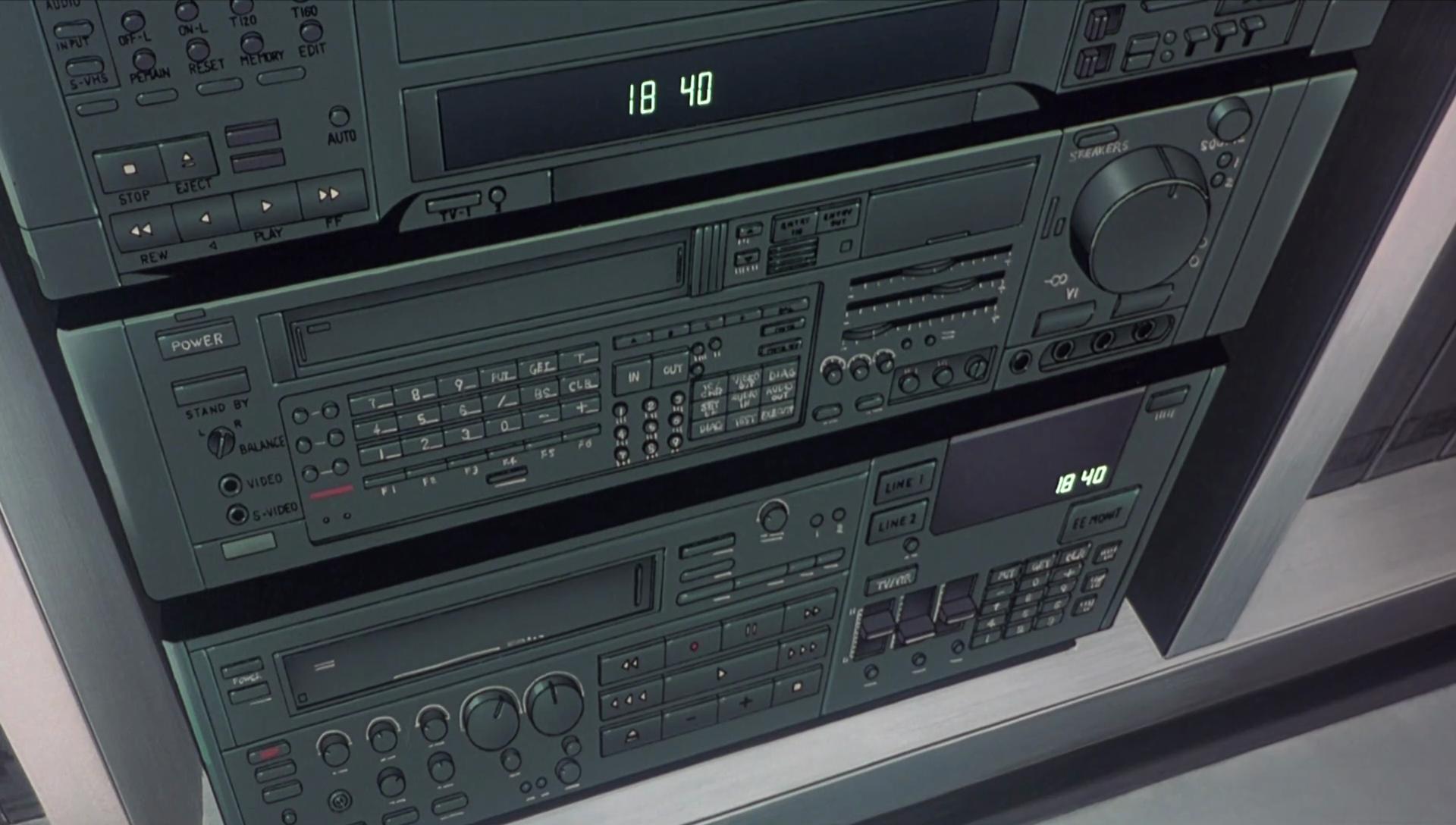
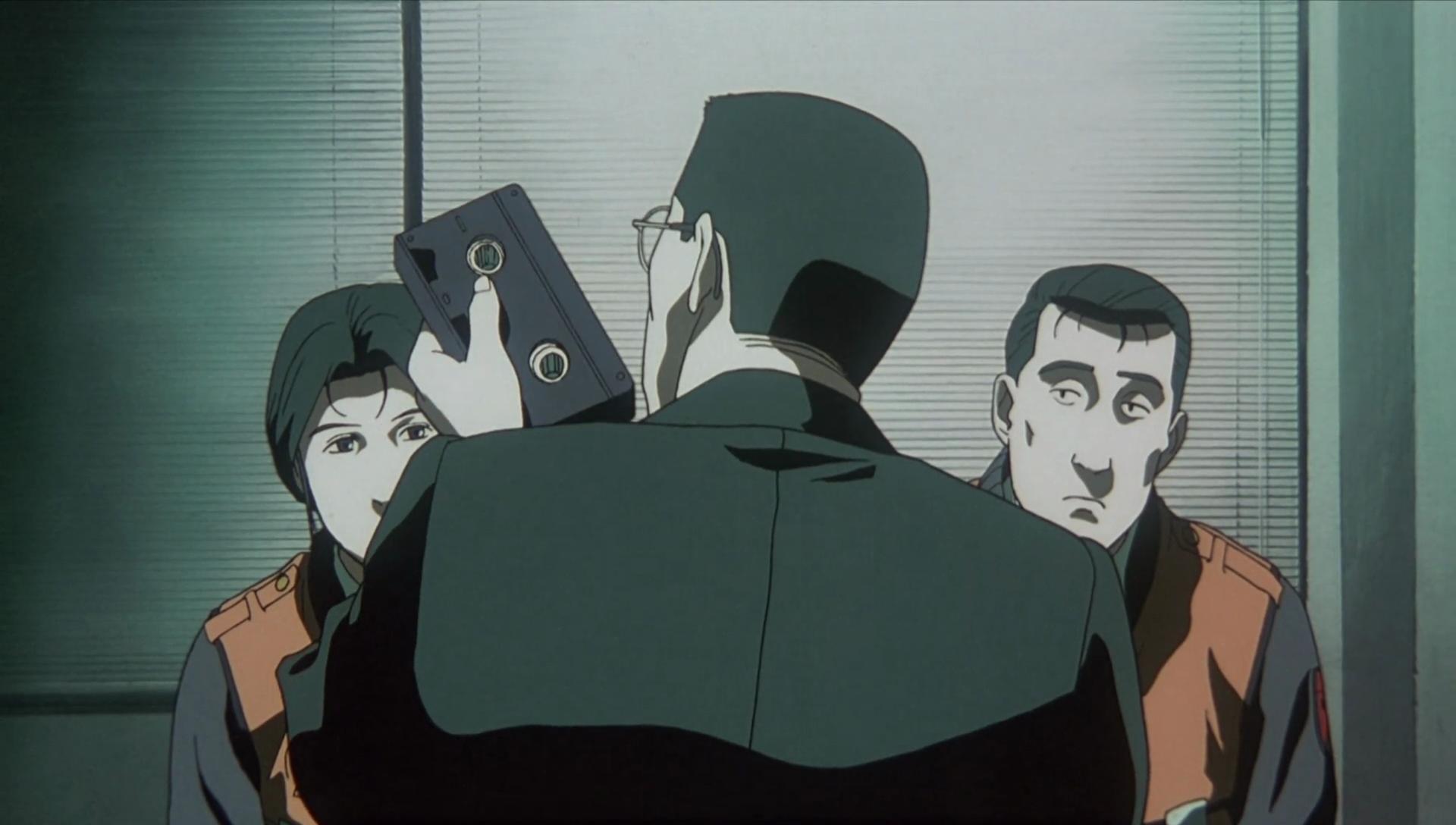
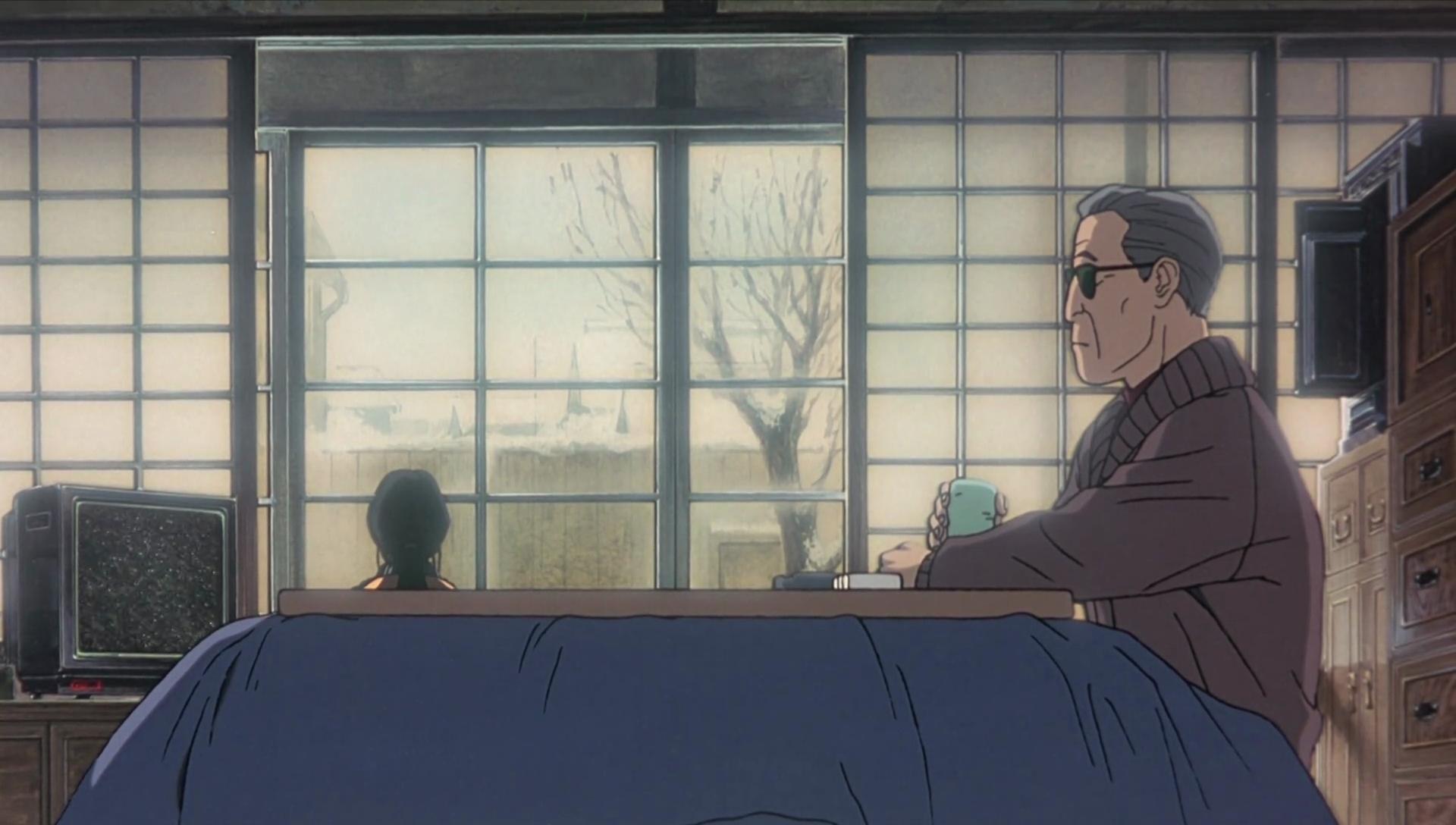
Just look at all of those sweet buttons and very 1990s setup. We have a 16:9 CRT TV in what is a 1999 setting for a movie made in 1993.
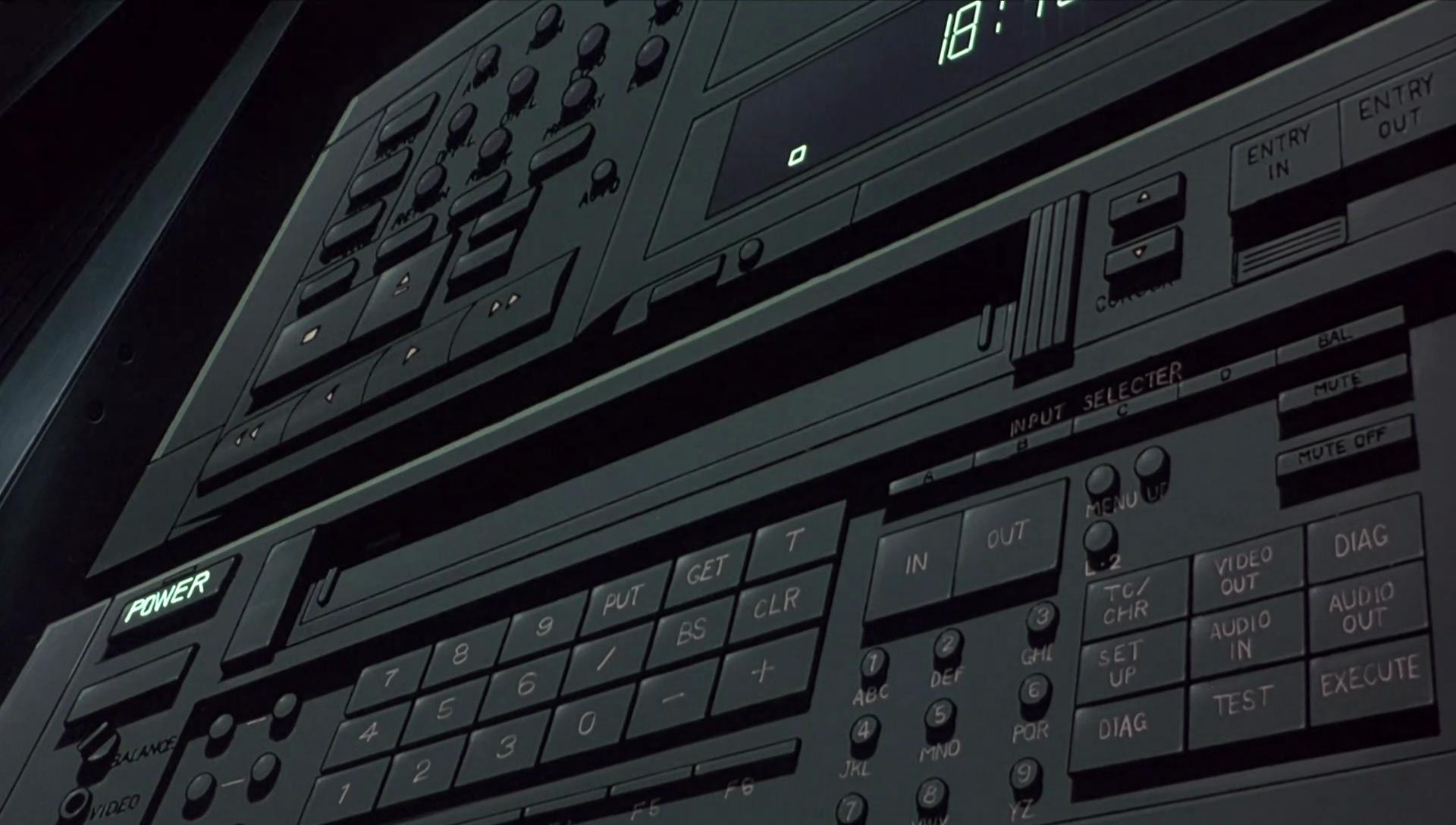
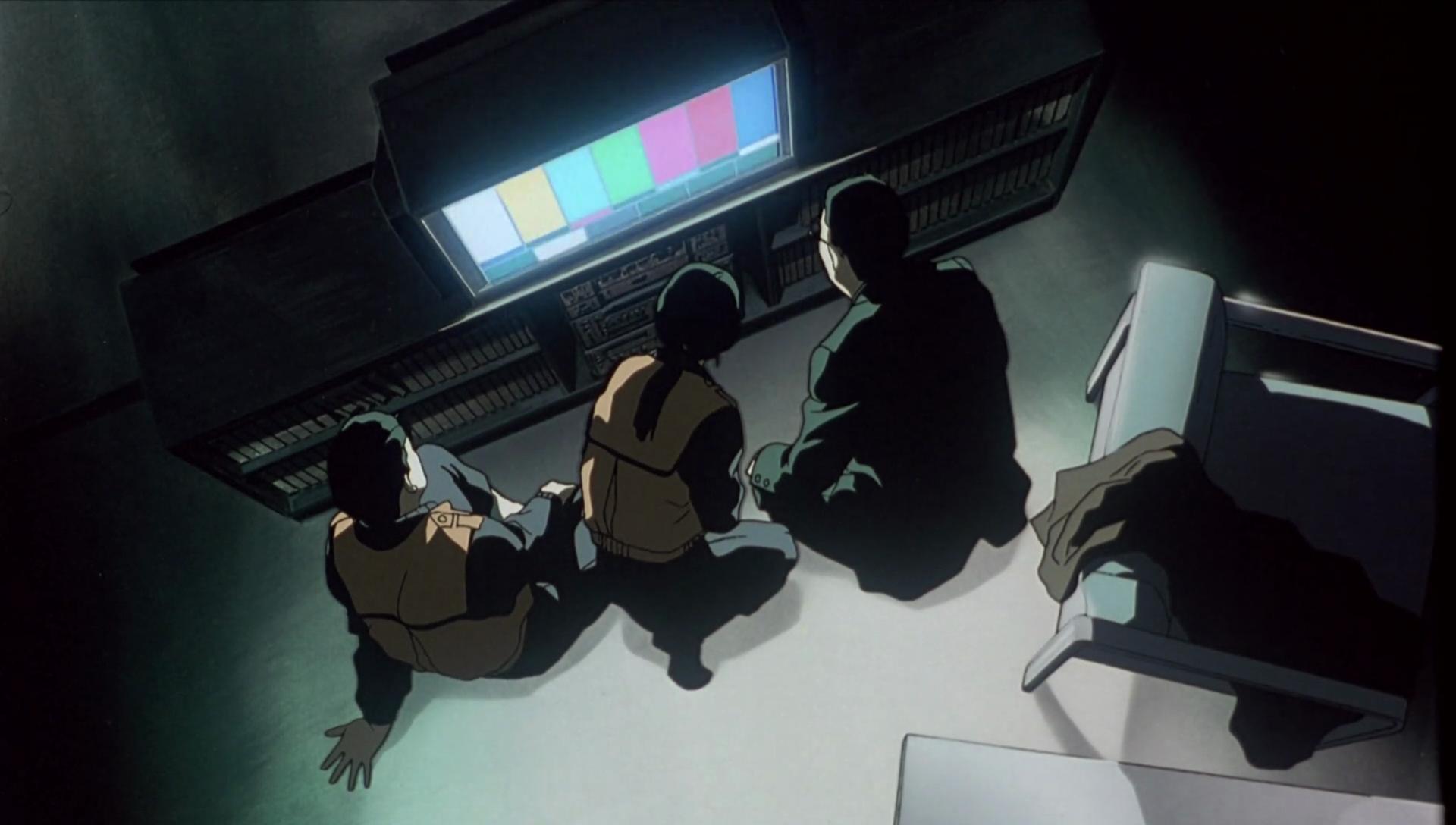
And again, it’s for karaoke.
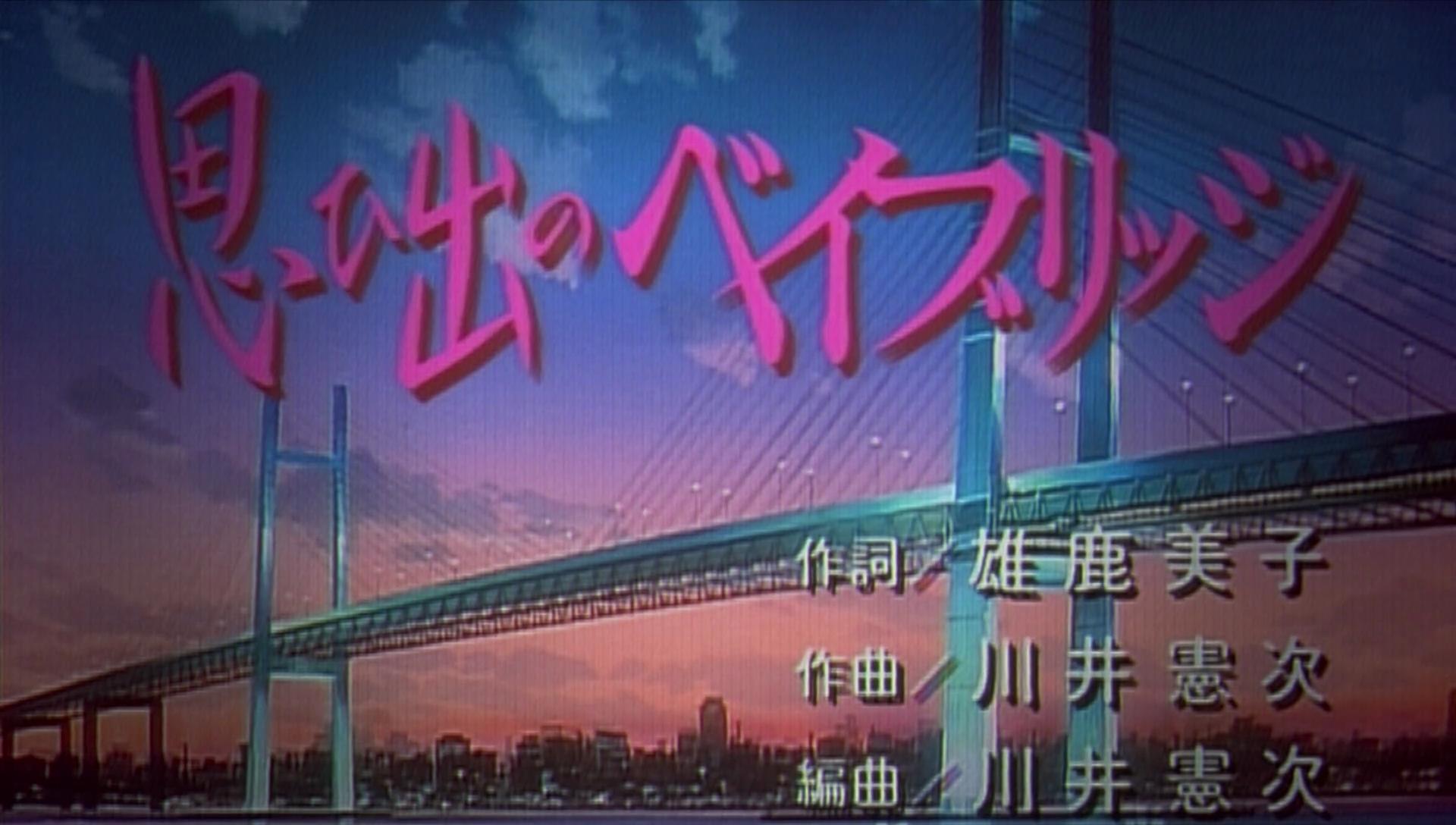
So of course, we find a “speck” in the video that demonstrates that there is something unusual. This of course was from a few minutes before the missile attack.
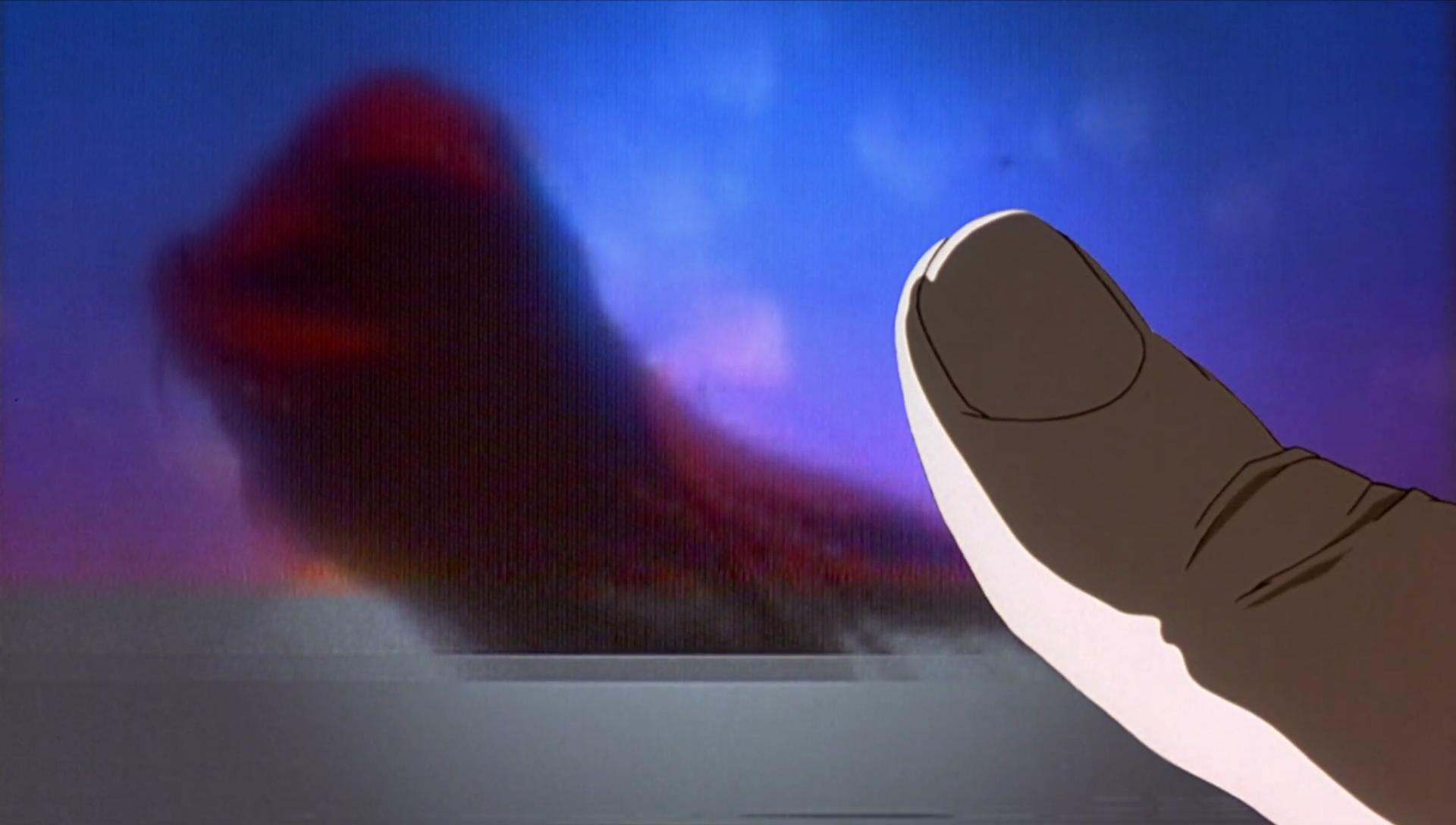
Somehow there is an editing setup either in the room they’re in or they make use of the computer room they have in the building–this is shown in the first film.
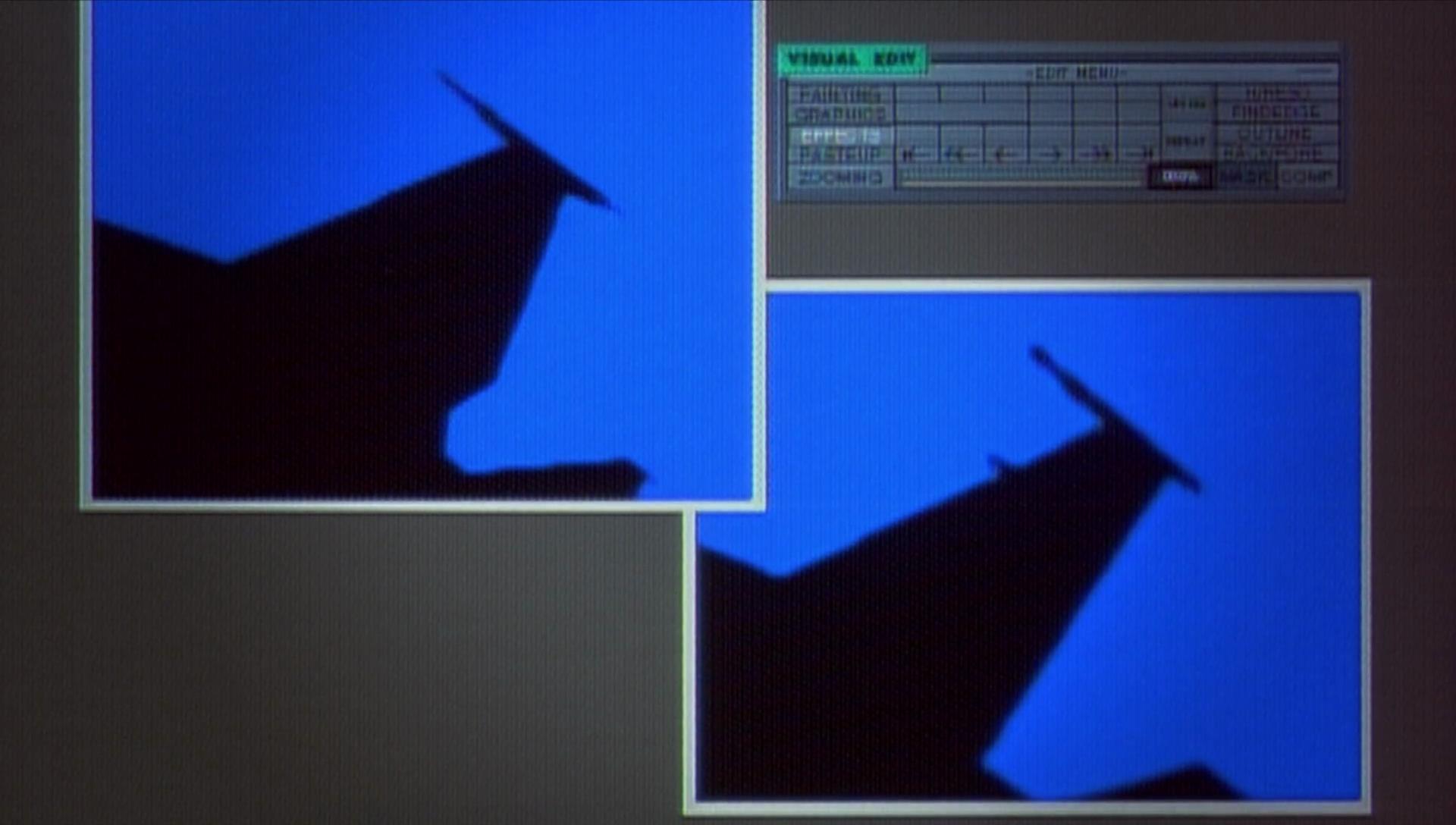
Let’s enhance the image everybody! Oh look. It’s the fighter jet that attacked the bridge!
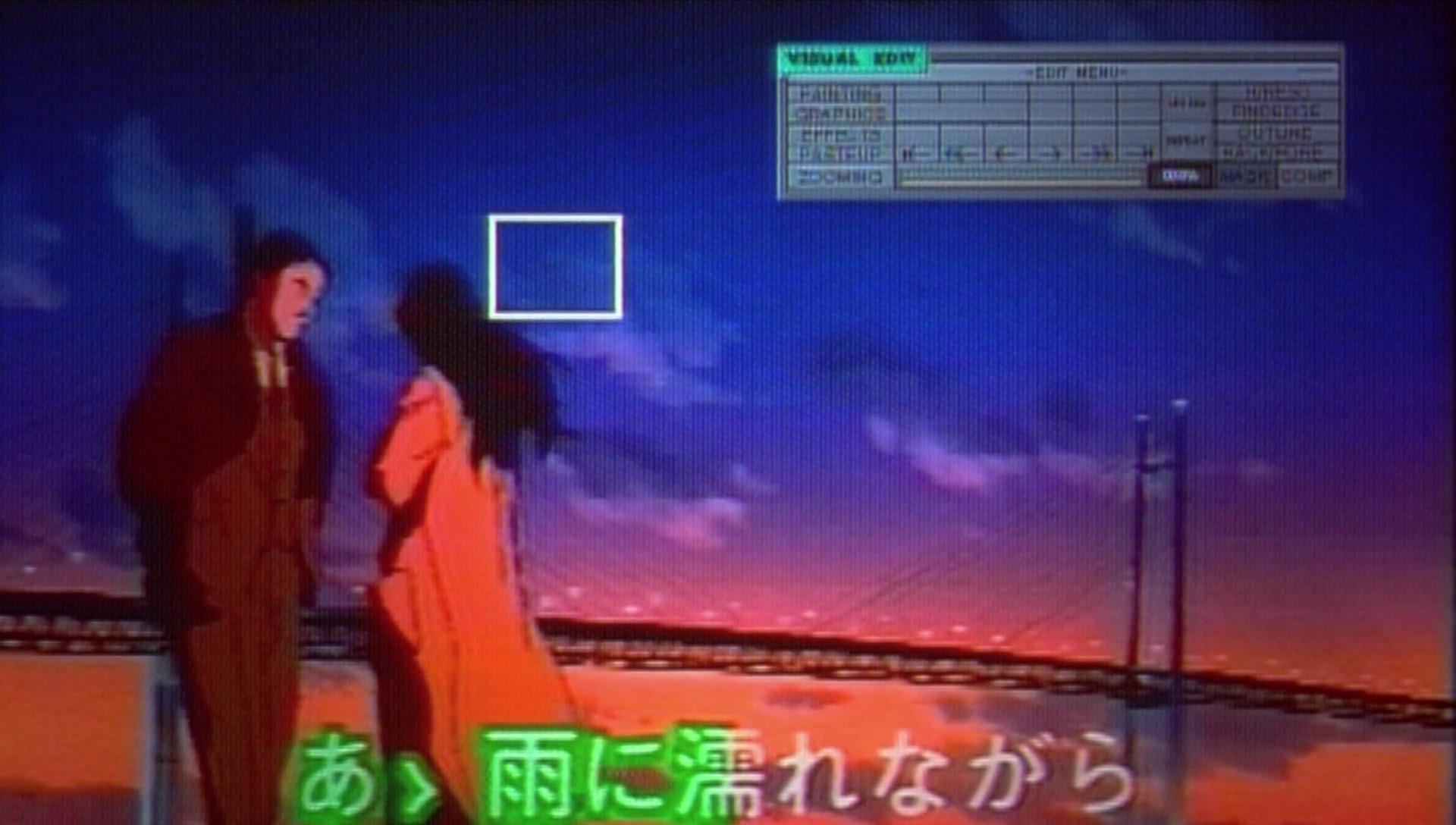
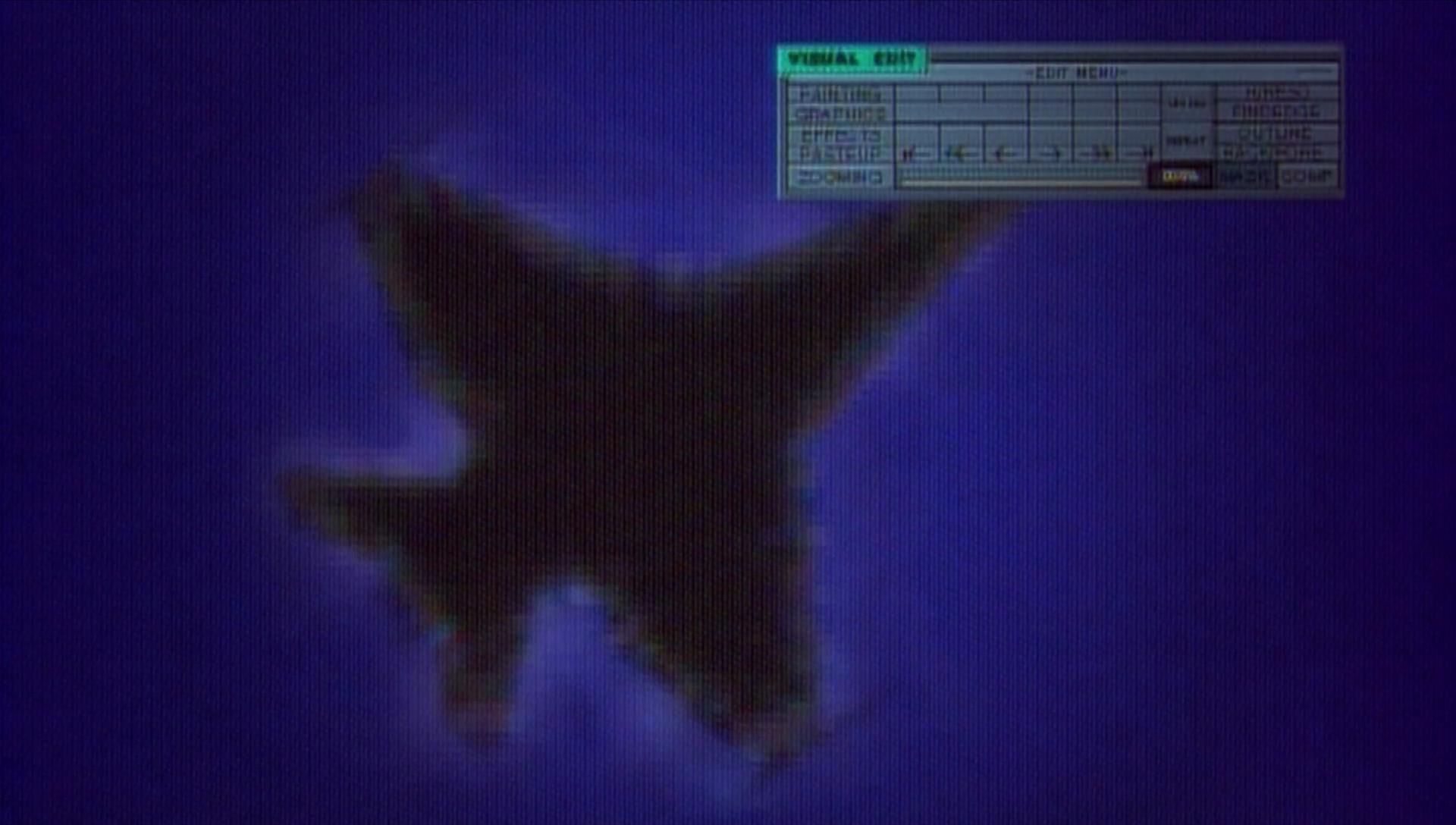
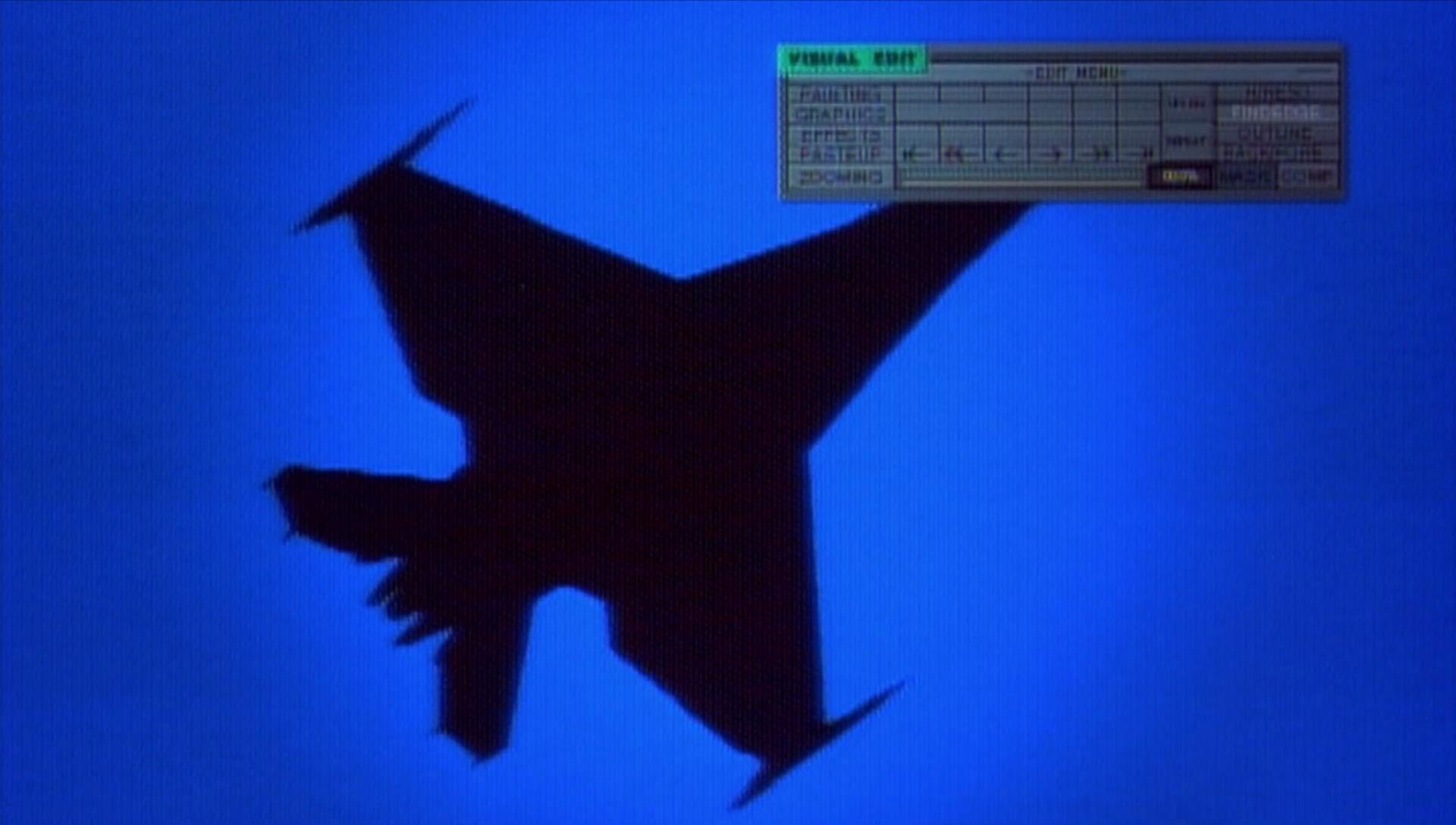
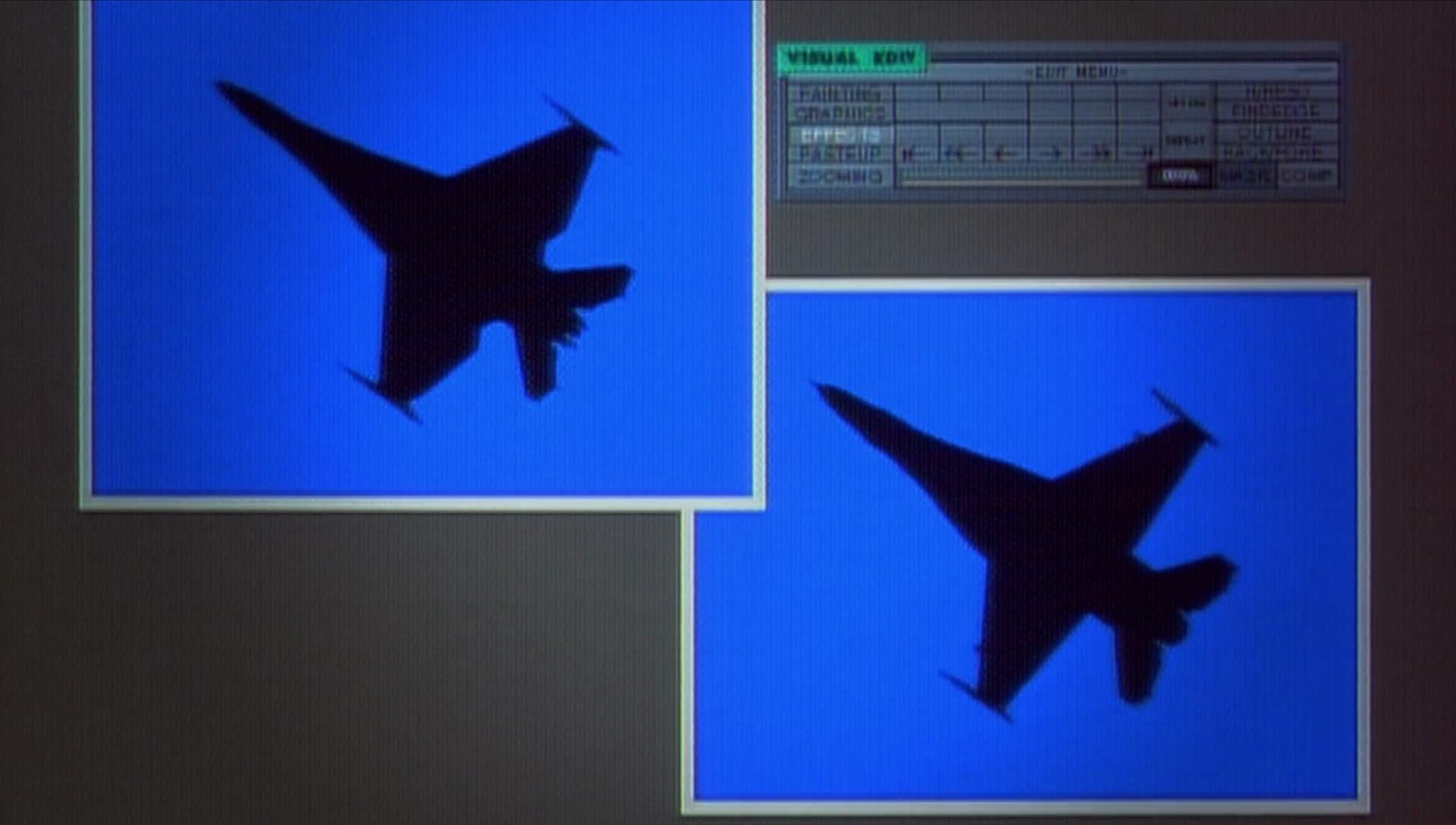
But wait. Here’s the twist: this is not the plane we saw in the news broadcasts. The news said this was an F-16J, but this appears to be another variant that has stealth and exhaust nozzle the JDF doesn’t use!
What is going on here?!?

Anyway, the tape becomes the catalyst for things going very awry within Japan and we start to see martial law being implemented in order to curb the possibility of a civil war.
The scenes make me think of the October Crisis from the 1970s here in Canada.
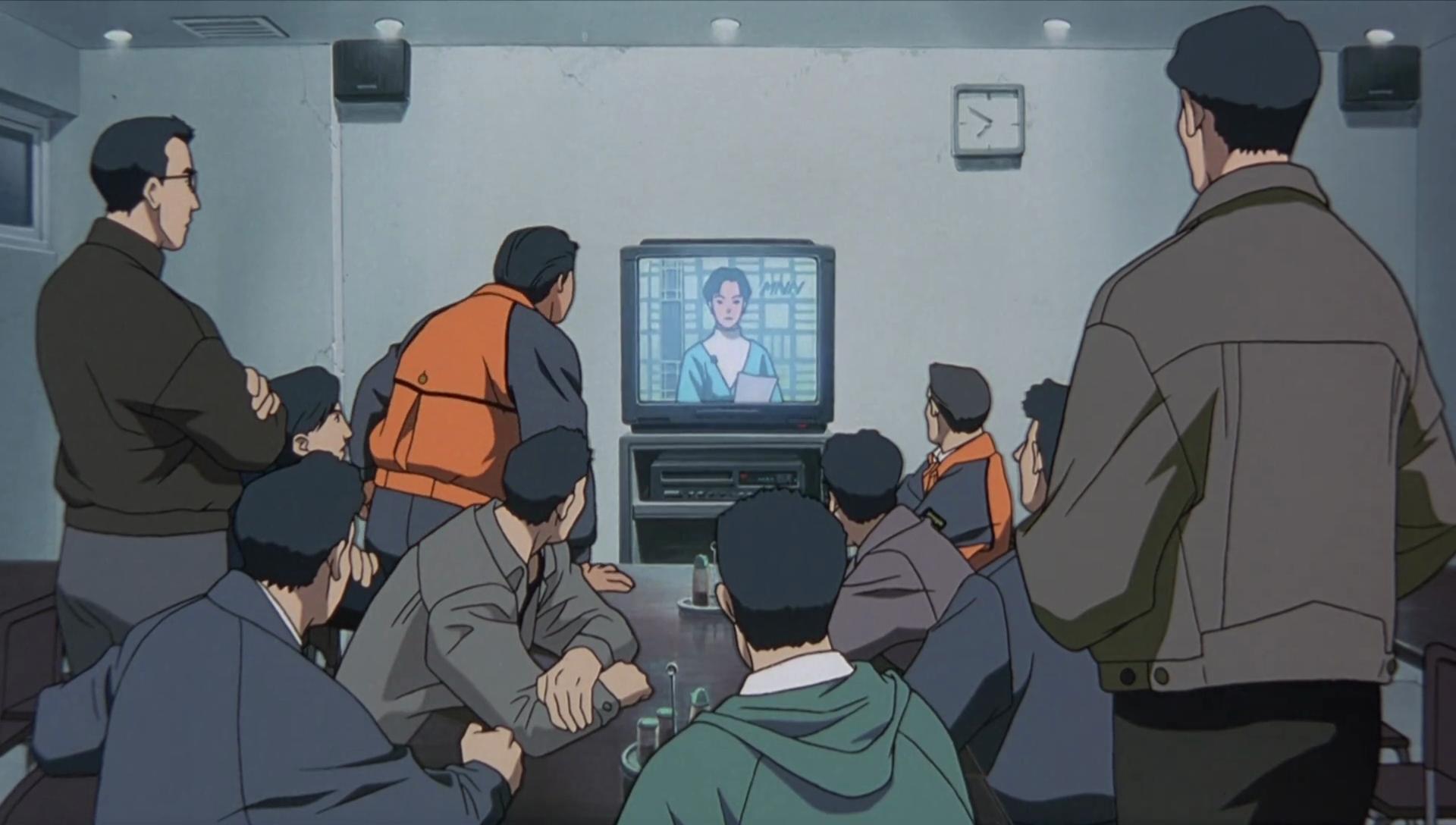
Not everything is 16:9 in the movie as we do see computer displays with 4:3 ratios instead.
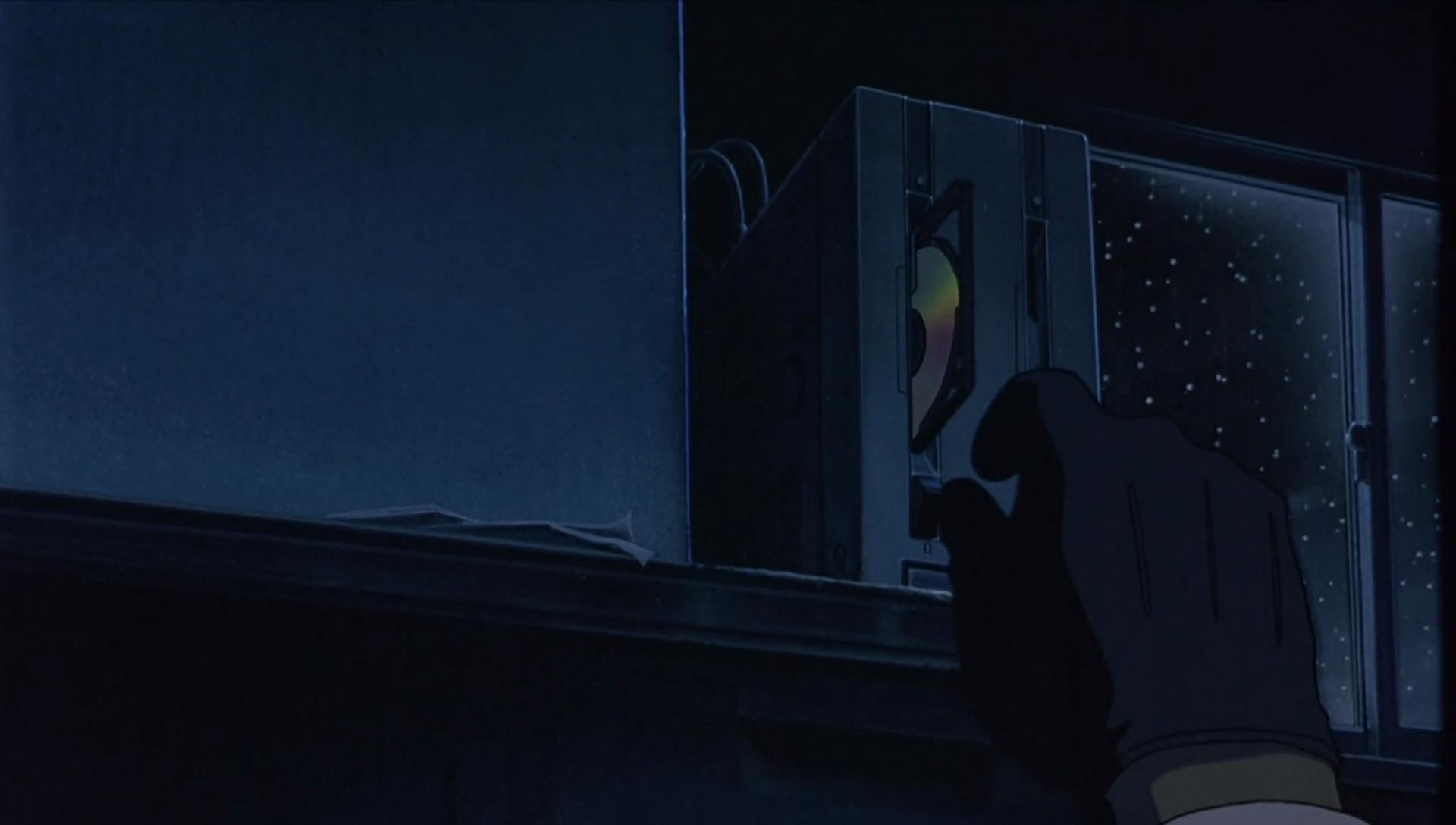
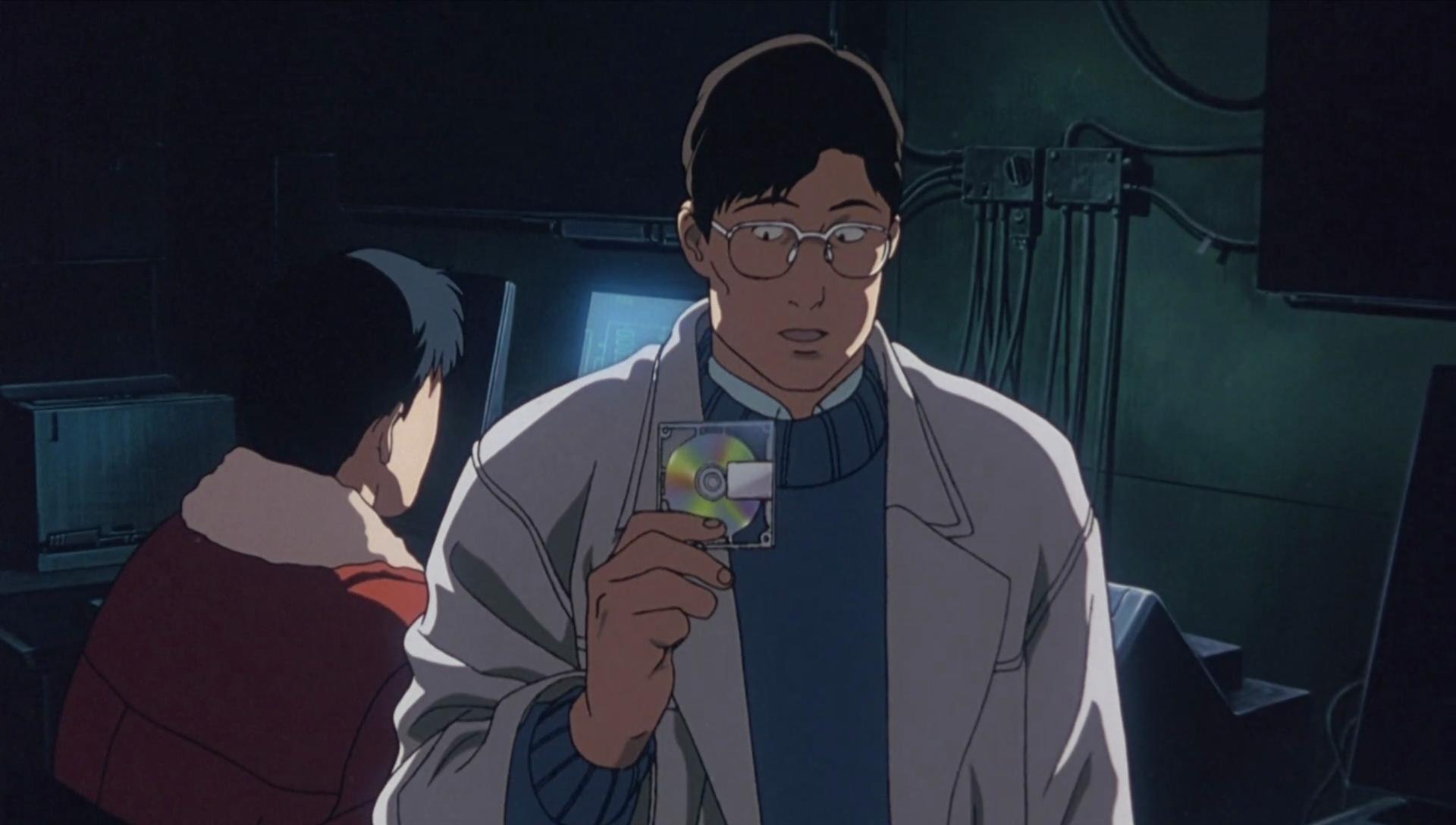
Bonus optical media snapshot. I really, really love the aesthetic of optical media use in old anime.
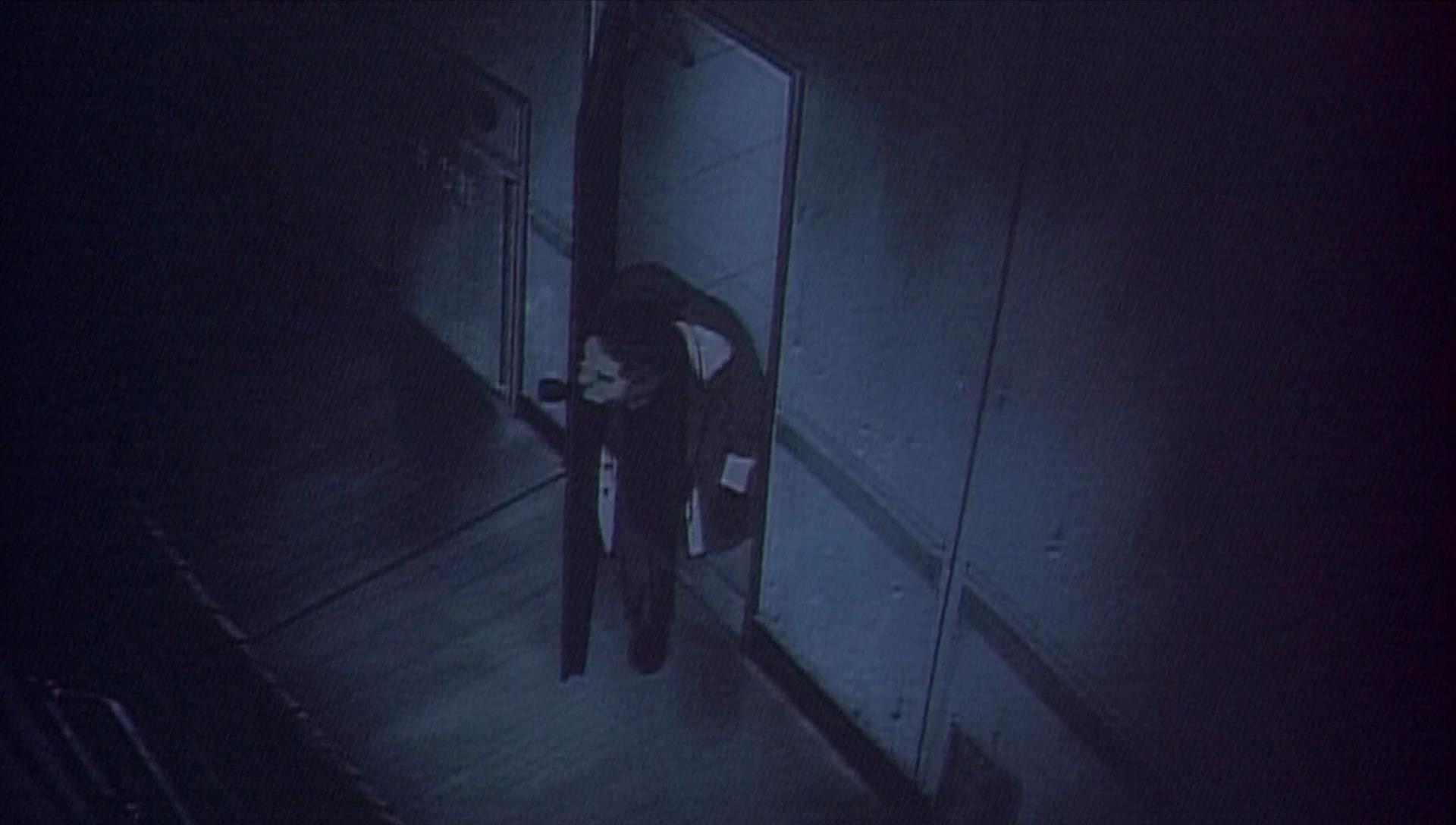
Even CCTV setups were using 16:9 aspect ratios. This is a really wild world because it has only been in the past ten years that we’ve seen this with security cameras.
This is a scene where two of the characters were watching a detective snoop about.
There’s a lot of mobile phone use in this movie too, but interestingly the use of landlines still seems popular enough to advertise what appears to be long distance services from KDDI’s predecessor, Kokusai Denshin Denwa.
Make a call to Hawaii I guess?

Even a radio station appears. This is a valid frequency although it appears that it didn’t exist until 1996.
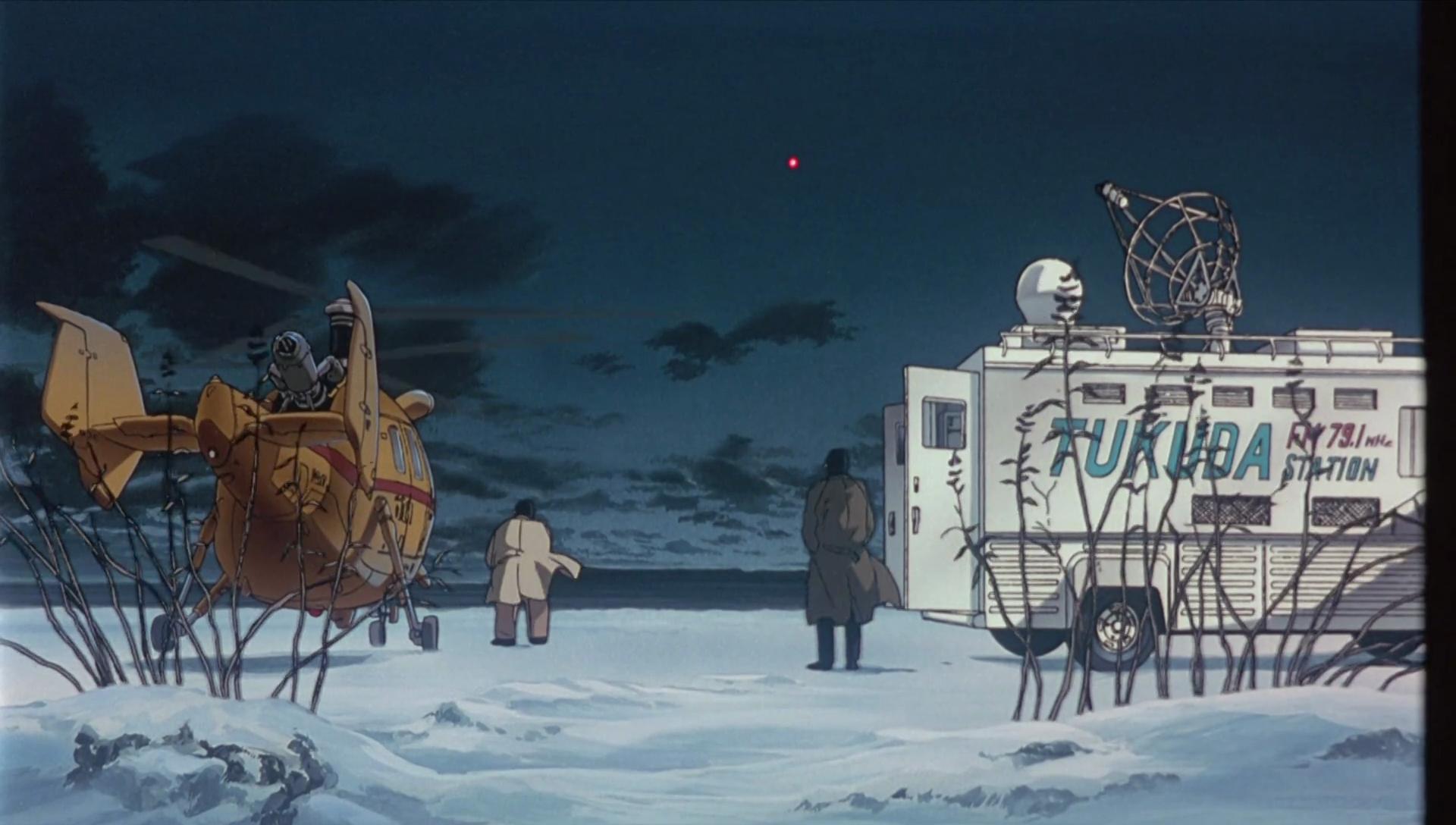
Anyway, Hi-Vision is explicitly mentioned in this movie and I really like the idea that somehow in the early 1990s, analogue HD video started to take off and this movie made it core to the story.
Plus it had cool mechs.
This movie is super fun to watch but it gets more interesting if you have a good understanding of contemporary Japanese politics at least in the 1990s. Knowing how Article 9 of the constitution affects Japan as a whole is really something you should consider before watching.